Blog / Comparison

Blog

All Comparison New Inventory Local Review Car Tips Lexus News Community Sneak Peek Vehicle Showcase Pre-Owned
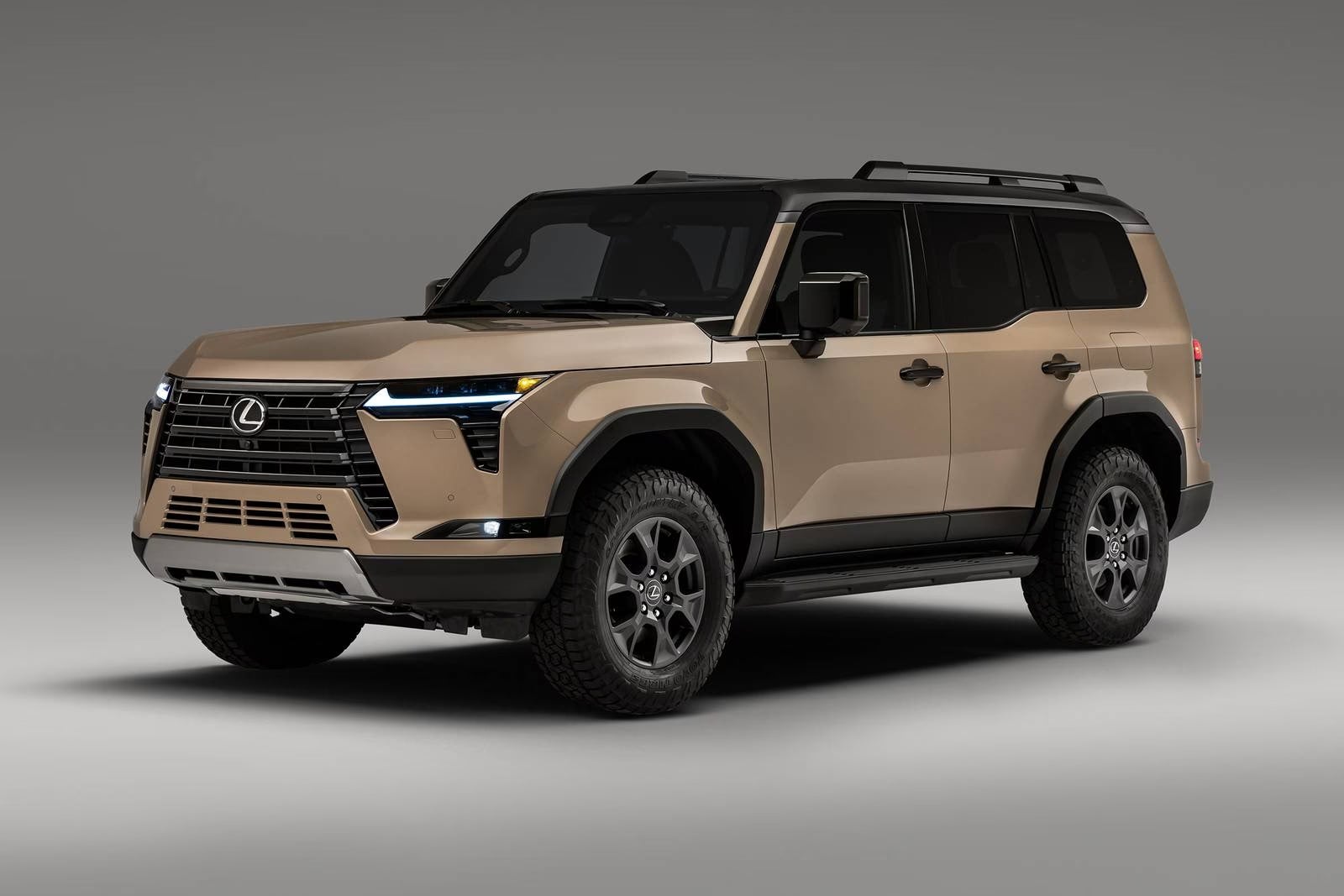
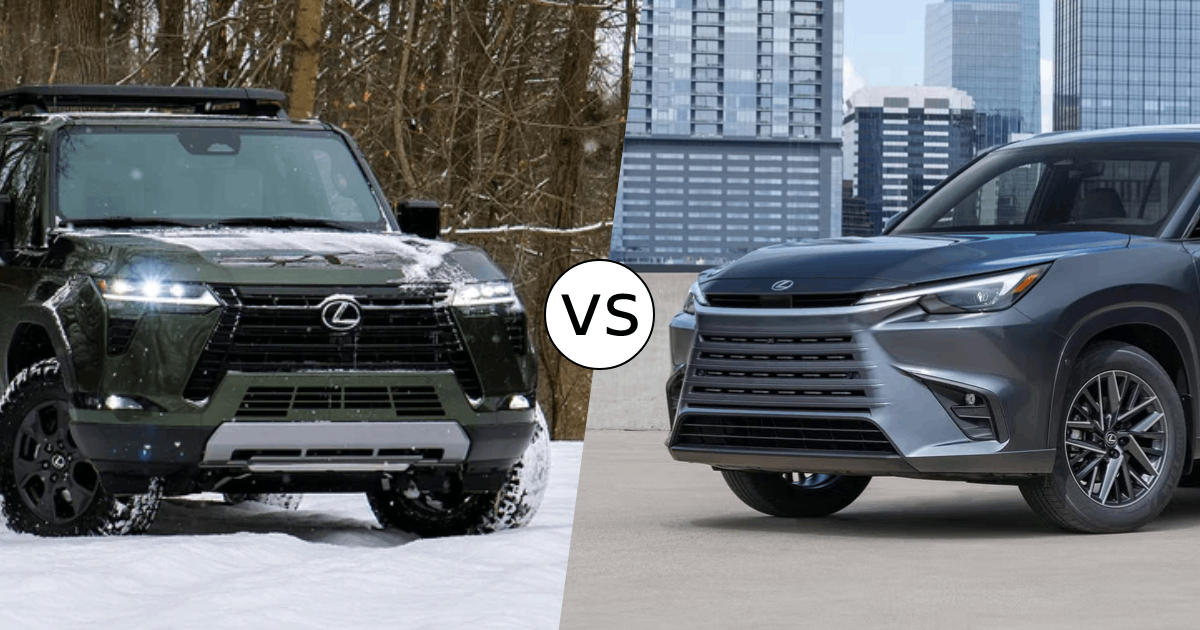
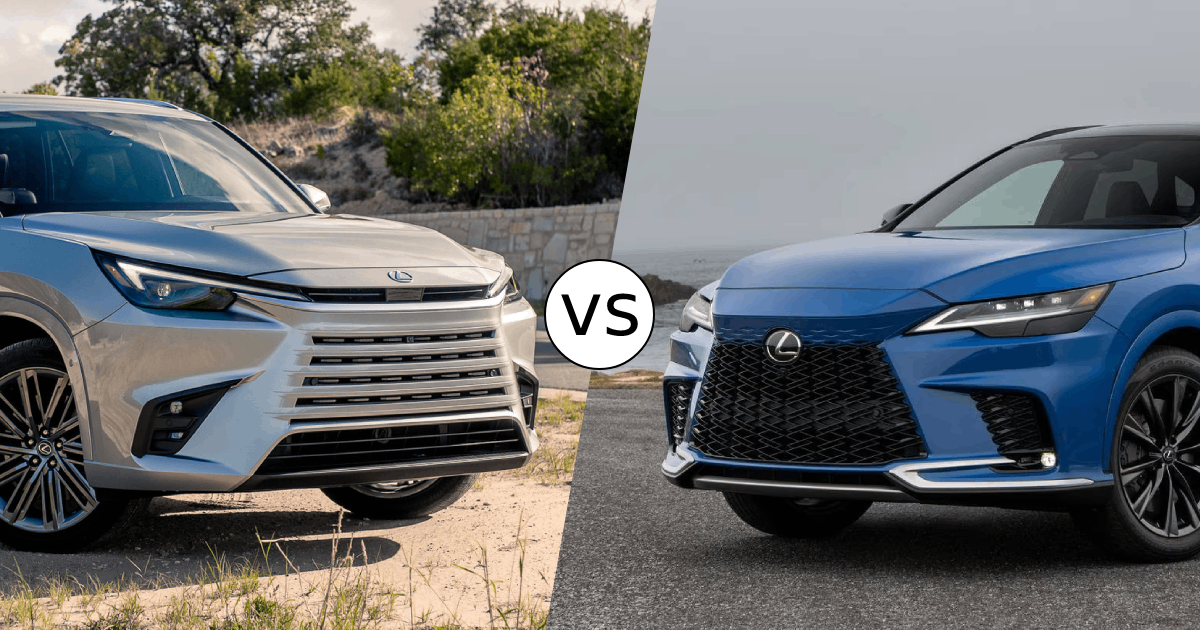
2026 Lexus TX vs. 2026 Lexus GX

2026 Lexus TX vs. 2026 Lexus GX: Which Luxury SUV Is Right for You?

Choosing between two excellent luxury SUVs is genuinely difficult, especially when both carry the same Lexus badge and deliver the same commitment to craftsmanship. The 2026 Lexus TX and the 2026 Lexus GX are two of the brand's most compelling offerings, yet they're built for very different kinds of drivers. One prioritizes family flexibility and electrified efficiency. The other is engineered for capability and rugged adventure. The key differences are worth understanding before you decide. Explore our new Lexus SUV inventory to see what's available right now at Lexus Stevens Creek. more Two Exceptional Luxury SUVs, Two Distinct Personalities At first glance, the TX and GX might seem interchangeable. Both are premium SUVs, both wear the Lexus spindle grille, and both deliver the refined interior quality the brand is known for. Spend a few minutes understanding how each was engineered, though, and a clear picture emerges. The TX was designed around the modern family, with three rows of seating and spacious dimensions, and its electrified powertrains reflect a genuinely fresh approach to luxury. The GX, by contrast, sits on a body-on-frame platform, the kind of solid architecture typically found in serious off-road vehicles. That construction gives the GX towing capability and trail-ready composure that the TX simply wasn't built to match. That fundamental difference is the right starting point for finding which one fits you. Meet the 2026 Lexus TX: Three-Row Versatility and Electrified Performance The TX entered the Lexus lineup as a direct response to what modern families actually need from a luxury SUV. It's larger, more passenger-focused, and more tech-forward than the GX, offered across three powertrains and a range of grades that each offer a distinct take on the TX experience, from the Standard, Premium, and Luxury models to the sportier F SPORT Handling and F SPORT Performance trims. Whether you're commuting through San Jose or loading up for a family road trip, the TX makes every mile feel deliberate and premium. TX 350: Premium Comfort for Every Journey The TX 350 is the entry point into the TX lineup, but "entry point" in Lexus terms still means a thoroughly luxurious experience. Powered by a 2.4-liter turbocharged four-cylinder producing 275 horsepower, it delivers confident, responsive performance whether you're on city streets or open highway. Properly equipped models can tow up to 5,000 pounds, which makes it useful for weekend gear-hauling on top of daily school pickups. The cabin prioritizes space and material quality, with seating for up to seven passengers and thoughtful storage throughout. TX 500h F SPORT Performance: Real Power With Hybrid Efficiency The TX 500h F SPORT Performance is where the TX gets genuinely exciting. This model pairs a 2.4L turbocharged engine with a hybrid system and features a 76-kW electric motor on the rear axle, delivering AWD through a setup Lexus calls DIRECT4, producing 366 total system horsepower. The driving experience feels sharper and more connected than the TX 350, with the kind of responsiveness that earns the F SPORT name. For Bay Area drivers dealing with stop-and-go highway traffic, the hybrid system recovers energy during braking and improves real-world fuel economy. Efficiency and performance aren't a trade-off here; they come packaged together. TX 550h+ Luxury: The Best Plug-In Hybrid in the TX Lineup The TX 550h+ Luxury sits at the top of the TX lineup, and it's easy to understand why. This plug-in hybrid model lets drivers run on electric power alone for up to 33 miles of daily errands, then transitions to hybrid operation for longer trips without any fuss. The cabin is appointed with the finest materials available in the TX, including semi-aniline leather seating, a panoramic roof, and Lexus's most advanced driver assistance and infotainment technology. For buyers who want to meaningfully cut fuel dependence without sacrificing range, the TX 550h+ Luxury delivers an SUV experience that feels effortlessly refined at every level. Meet the 2026 Lexus GX: Body-on-Frame Capability With Luxury Finesse The GX tells a different story. Where the TX leans into comfort and efficiency, the GX draws on a heritage of durability and capability. Built on a ladder-frame platform, the 2026 GX is one of the few luxury SUVs that can genuinely handle serious off-road terrain without losing its composure on city streets. That body-on-frame construction matters more than it might seem. It gives the GX a higher tow rating, better resistance to chassis flex on uneven terrain, and a ride character that communicates confidence in ways a unibody SUV simply can't replicate. GX Premium and Luxury: Sophisticated Power for Every Road The GX Premium and Luxury trims share a twin-turbocharged 3.4-liter V6 engine producing 349 horsepower. This powertrain delivers linear, confident power whether you're accelerating onto the freeway or towing a boat to Tahoe. Multi-Terrain Select helps drivers adapt to changing road surfaces, while a full suite of luxury amenities keeps the cabin experience firmly in premium territory. Towing capacity on these trims varies: the Premium is rated up to 9,063 pounds, while the Luxury trims come in lower at 7,844 and 7,601 pounds depending on configuration. These trims are designed for drivers who want a capable, powerful SUV without necessarily pushing into dedicated trail-running territory. GX Overtrail: Purpose-Built for Off-Road Adventure The GX Overtrail is the most capable model in the 2026 GX lineup. It features an Electronic Kinetic Dynamic Suspension System (E-KDSS) that provides greater wheel articulation on uneven terrain, an electronic locking rear differential, and crawl control that manages throttle and braking automatically on challenging surfaces. The Overtrail is rated to tow up to 9,096 pounds, the highest figure in the GX lineup. Worth noting for larger families: the Overtrail seats five, trading the third row for added cargo space and trail capability. The exterior styling reflects its purpose, with skid plates and all-terrain tires that make its intentions obvious before you've even left the parking lot. For drivers who treat weekends as an opportunity to explore beyond Silicon Valley's paved roads, the GX Overtrail is the clear choice in this comparison. Performance and Powertrain: Twin-Turbo V6 vs. Hybrid Innovation Comparing the 2026 Lexus TX and 2026 Lexus GX on performance means appreciating two entirely different engineering philosophies. The GX relies on its twin-turbo V6 across all trims, delivering consistent power and the towing muscle to handle trailers, boats, and gear-laden setups. The TX takes a more progressive approach, with every trim incorporating some form of electrification, from hybrid assist up to full plug-in hybrid capability. Model Engine/Powertrain Horsepower Drivetrain Towing Capacity Seating Powertrain Type TX 350 2.4L turbo four-cylinder 275 hp FWD/AWD Up to 5,000 lbs 3-row Turbocharged TX 500h F SPORT Performance 2.4L turbo + hybrid system 366 hp AWD (DIRECT4) Up to 5,000 lbs 3-row Hybrid TX 550h+ Luxury 3.5L V6 plug-in hybrid 404 hp AWD (DIRECT4) Up to 5,000 lbs 3-row Plug-in Hybrid GX (all trims) 3.4L twin-turbo V6 349 hp Full-Time 4WD Up to 9,096 lbs (varies by trim) Up to 3-row Turbocharged If raw towing capacity and off-road muscle are priorities, the GX wins this comparison. If efficiency, daily driving range, and reduced emissions matter most, the TX's electrified options offer a meaningful advantage for Bay Area commuting. We encourage you to contact our team for the most current trim-level specs and availability. Interior Experience, Technology, and Family-Focused Features Step inside either SUV and you'll immediately recognize the Lexus commitment to quality. The TX is built around its passengers, with a third row that accommodates adults more comfortably than most vehicles in its class, and a second row available as captain's chairs or a bench so you can configure the cabin around your passenger count. The GX's interior leans into a slightly more rugged aesthetic while maintaining Lexus's luxury standards. Third-row seating is available on the Premium and Luxury trims, seating up to seven, while the off-road-focused Overtrail is a five-seater built around two rows of generous, well-appointed comfort. Both models feature Lexus's latest infotainment interface with a large touchscreen, wireless phone integration, and a premium audio system. Both the TX and GX include Lexus Safety System+ as standard. That covers pre-collision warning, adaptive cruise control, and lane departure alerts, with automatic high beams rounding out the package. The TX 550h+ Luxury adds more advanced driver assistance features, while higher GX trims offer a heads-up display and a 360-degree parking camera system. 2026 Lexus TX vs. GX: Choosing the Right SUV for Your Lifestyle The TX vs. GX decision ultimately comes down to how you actually live and drive. There's no objectively better vehicle here, only the better fit for your needs. The TX Is Right For You If… The TX makes the most sense if you regularly fill all three rows, want to cut fuel costs with a plug-in hybrid, or spend most of your time on highways and city streets. San Jose commuters will appreciate how the hybrid powertrains recover energy in stop-and-go traffic, stretching every gallon further. The TX 550h+ Luxury, in particular, offers a level of refinement and efficiency that's genuinely hard to match. The GX Is Right For You If… The GX is the right choice if towing is a regular part of your life, if trails and unpaved roads show up on your weekends, or if a body-on-frame SUV built for real-world punishment simply gives you more confidence. The GX Overtrail actively encourages you to go further. And even on a routine San Jose commute, the GX's composure and power make every drive feel unhurried and assured. Come See Both at Lexus Stevens Creek Reading about these vehicles only takes you so far. The best way to understand the real difference between the 2026 Lexus TX and the 2026 Lexus GX is to sit in both, feel the driving position, and take each one on a test drive that matches your real-world conditions. Lexus Stevens Creek, located at 3333 Stevens Creek Blvd in San Jose, CA, is the number one volume luxury dealer for new and pre-owned Lexus vehicles in Northern California based on 2024 sales data. We carry the largest Lexus inventory in the region, which means you're far more likely to find the specific trim and configuration you want, whether that's a TX 550h+ Luxury in a particular color or a GX Overtrail ready to go. Our team has been serving Silicon Valley since 1989, with no-pressure expertise and flexible financing options through Lexus Financial Services. Give us a call at 408-878-4112 or explore our new Lexus SUV inventory to get started today.

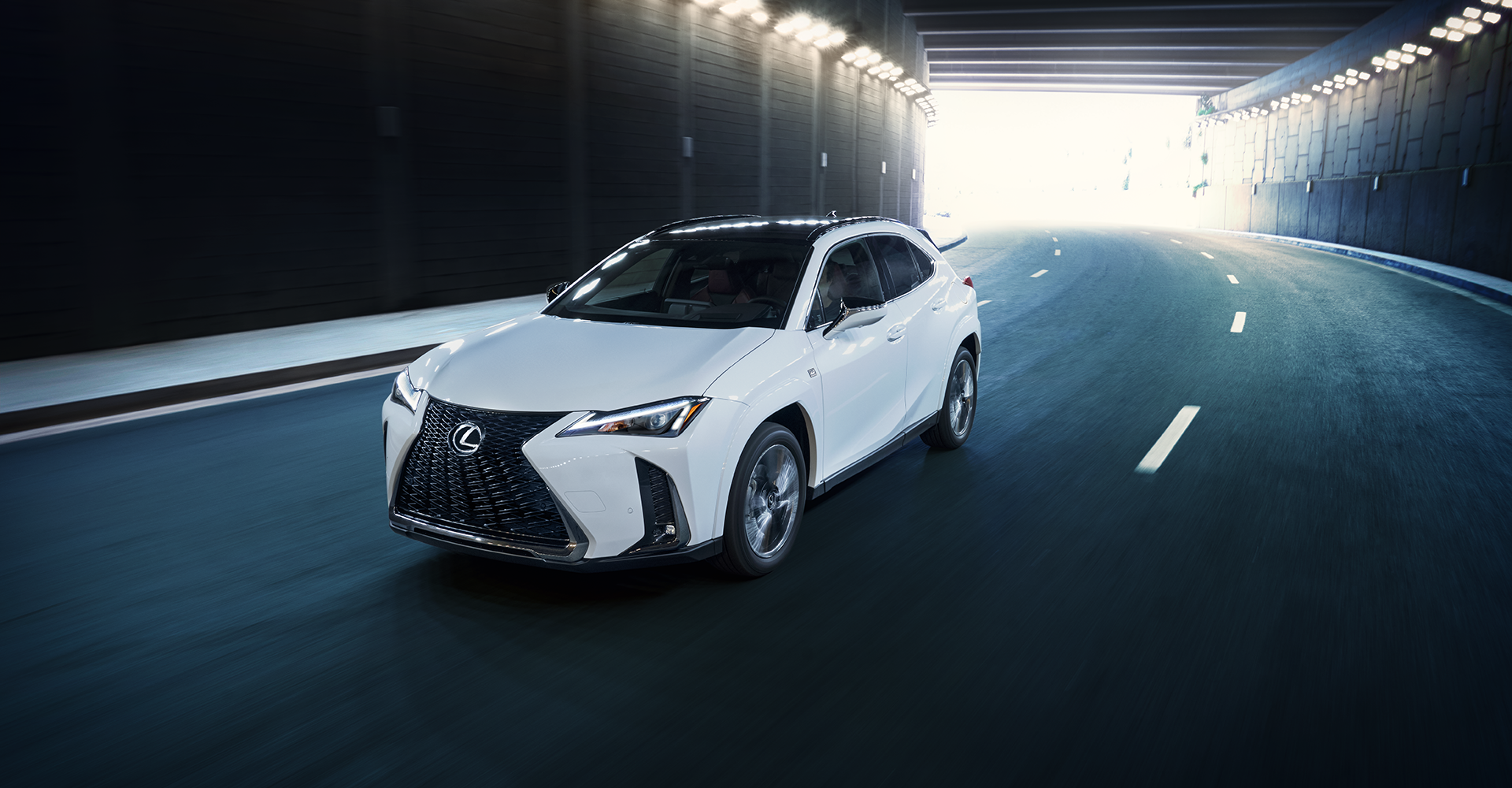
Take a moment to browse our new Lexus NX inventory while we walk you through an honest look at how this comparison plays out across every dimension that actually matters.

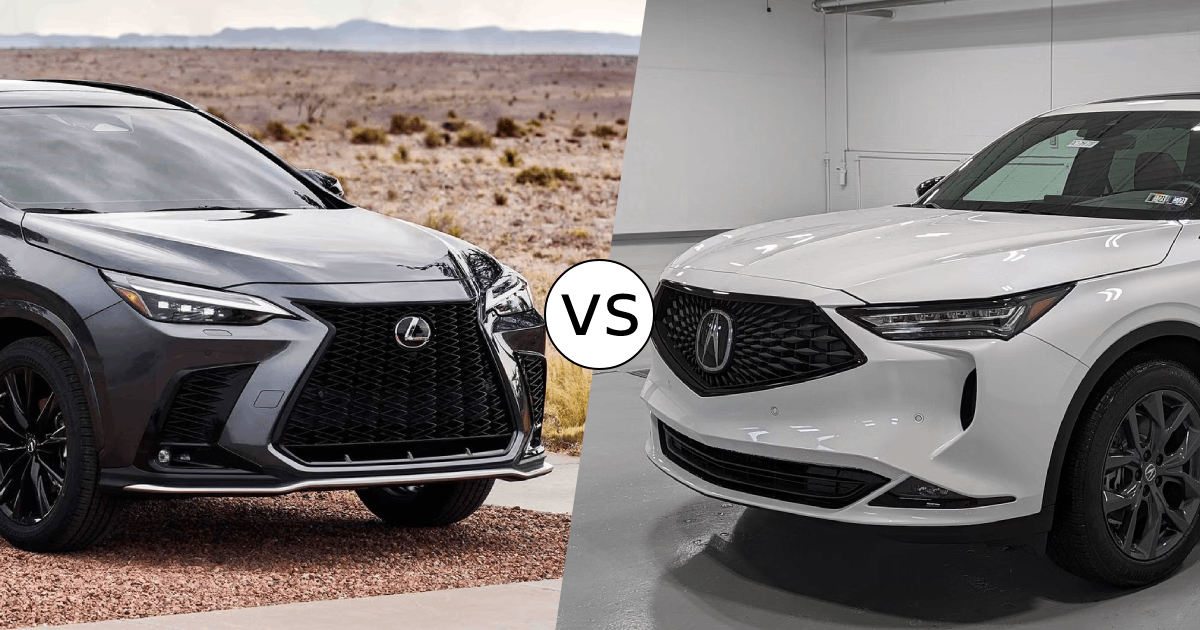
2026 Lexus NX vs. Acura RDX: Why the NX Comes Out on Top

Choosing between two well-regarded compact luxury SUVs is never simple. Both the 2026 Lexus NX and the Acura RDX bring strong credentials to the table, and if you've been researching this segment, you've probably gone back and forth more than once. But when you look closely at powertrain flexibility, cabin refinement, technology, and long-term ownership value, one vehicle consistently pulls ahead. Take a moment to browse our new Lexus NX inventory while we walk you through an honest look at how this comparison plays out across every dimension that actually matters. more 2026 Lexus NX vs. Acura RDX: A Side-by-Side Overview These two vehicles reflect genuinely different philosophies. The Acura RDX leans into a sporty, driver-focused personality built around a turbocharged four-cylinder and sharp steering. The 2026 Lexus NX takes a broader approach, offering multiple powertrains, a more refined cabin, and technology that feels current rather than dated. Both target buyers who want a compact SUV that goes beyond mainstream options. When shoppers compare these two, the conversation usually starts with performance but quickly expands into practicality, comfort, and value retention. One thing worth flagging early: the 2026 RDX is the final model year of the current third generation. Acura has confirmed that production will be suspended in 2026 ahead of an all-new fourth-generation RDX, which will introduce a hybrid powertrain for the first time. For anyone thinking about long-term ownership, that's a factor you shouldn't ignore. Powertrain Versatility: The NX Gives You More Ways to Drive This is one of the clearest distinctions between these two vehicles. The RDX offers one engine: a 2.0L turbocharged inline-4 producing 272 hp and 280 lb-ft of torque. It performs well. But it leaves you with no alternatives. Three Configurations, One Lineup The 2026 Lexus NX gives buyers three distinct options. The NX 350 runs a 2.4L turbocharged inline-4 producing 275 hp and 317 lb-ft of torque. The NX 350h hybrid delivers 240 combined horsepower and hits up to 40 MPG combined on FWD models (39 MPG with AWD). Then there's the NX 450h+, a plug-in hybrid combining 304 horsepower with a projected EPA-estimated 84 MPGe rating and an estimated 37-mile EV-only range, capable of electric-only commutes before transitioning seamlessly to hybrid operation on longer trips. Nothing like this exists in the RDX lineup. Acura hasn't introduced a hybrid or plug-in hybrid version, which means buyers who care about electrification or want to trim fuel costs over time simply aren't served by that vehicle. In Silicon Valley and the broader Bay Area, where EV infrastructure keeps expanding, that gap is hard to overlook. Performance and Efficiency Head-to-Head The RDX does 0-60 in roughly 6.4 seconds versus the NX 350's 6.6 seconds. That's a 0.2-second difference you'll never feel in real-world driving. What actually matters day-to-day is how each vehicle balances output with efficiency. The NX 350h hybrid delivers a strong combination of both that the RDX's single-option lineup can't replicate. For drivers who want a spirited feel without paying for it at the pump, the NX hybrid models hit a balance the RDX currently has no answer for. Interior Refinement and Cabin Quality Interior quality is what separates a genuinely premium vehicle from one that just looks the part. Spend an hour in both, and the difference becomes apparent in ways specs alone don't capture. Materials, Fit, and Finish The 2026 NX cabin reflects Lexus's longstanding commitment to craftsmanship. Soft-touch surfaces appear throughout the interior, not just in the spots your hands happen to land. Stitching is precise, panel gaps are tight, and the overall layout has a considered quality that makes long drives genuinely comfortable. Front seats are 8-way power-adjustable, and you get 41.0 inches of front legroom. The RDX offers a respectable interior with quality materials, a well-organized layout, 12-way power front seats on the base, Technology, and A-Spec trims (16-way power seats with thigh extension and side bolsters on Advance and A-Spec Advance), and 42.0 inches of front legroom. In a direct comparison, though, the NX carries a stronger sense of purpose in its design. The cabin atmosphere sits closer to what buyers actually expect from a true luxury vehicle. Infotainment and Technology Experience Lexus has put serious investment into its infotainment interface, and the 2026 NX shows it. The system features a large, responsive touchscreen that's easy to navigate whether you're connecting your phone, adjusting climate settings, or pulling up navigation. Voice recognition works reliably. There's no real learning curve. The RDX uses a touchpad-based system that, while creative in concept, has drawn consistent criticism for demanding more attention than a traditional touchscreen. Reaching for a touchpad while driving adds friction to tasks that should be effortless. For buyers who value intuitive, distraction-free tech, the NX experience is noticeably smoother. Safety and Driver Assistance Features Compared Safety technology is a baseline expectation in this segment, and both vehicles meet that bar. Forward collision warning, automatic emergency braking, lane keeping assist, and adaptive cruise control all come standard on each. Where the NX stands out is in how cohesively these systems work together. Lexus Safety System+ is calibrated to intervene confidently without feeling intrusive, which matters on long highway stretches or in heavy Bay Area traffic. Drivers tend to describe it as a system that builds trust rather than creates anxiety. Acura's AcuraWatch suite is genuinely capable, but the NX feels more polished overall in how alerts are communicated and how the adaptive systems respond to real-world conditions. 2026 Lexus NX vs. Acura RDX: Specs and Features at a Glance Here's a direct look at how these two vehicles compare across key categories: Feature 2026 Lexus NX 2026 Acura RDX Powertrain Options Turbocharged, Hybrid, Plug-In Hybrid Turbocharged Gas Only Max Horsepower Available 304 hp (NX 450h+ combined) 272 hp Torque (Gas/Turbo Model) 317 lb-ft (NX 350) 280 lb-ft Best Combined Fuel Economy 40 MPG combined / 84 MPGe (PHEV) 23 MPG combined Max Cargo Volume 46.9 cu. ft. 79.8 cu. ft. 360-Degree Camera Available on Premium, Luxury, F SPORT Handling (Panoramic View Monitor) Standard on Advance and A-Spec Advance (Multiview Camera System) AWD System Standard on NX 350 and NX 450h+; FWD or AWD on NX 350h SH-AWD standard on all trims Model Year Status Current generation Final year of current third generation The table reinforces what the driving experience confirms. The NX offers substantially more powertrain flexibility and fuel efficiency. The RDX holds a clear advantage in cargo volume, and its standard SH-AWD system across every trim is a genuine performance differentiator worth considering if handling dynamics are your top priority. If you're ready to explore your options, view our current NX inventory to see available trims and configurations at Lexus Stevens Creek. Ownership Value: Resale, Reliability, and Long-Term Costs Purchase price is only one part of what a vehicle actually costs you. Resale value, maintenance frequency, and reliability all factor into the true long-term picture, and this is an area where Lexus has built a clear advantage over the years. Lexus consistently ranks among the most reliable automotive brands, and the NX benefits directly from that reputation. Fewer unscheduled repairs mean lower ownership costs over time. Buyers who eventually trade in or sell their NX can also expect stronger residual values than the RDX typically holds. In the Silicon Valley market, where vehicles are often leased or traded every few years, resale performance is a meaningful financial consideration. Acura isn't a weak performer here, but the gap has historically favored Lexus. The RDX also enters its transition year as a final-generation model, adding uncertainty around long-term value for buyers who aren't planning to trade within two or three years. When you factor in lower maintenance frequency and stronger resale, the NX becomes easier to justify financially, not just emotionally. If you're coming from another vehicle, you can get an instant cash offer to find out what your current car is worth before making the switch. Why the 2026 Lexus NX Is the Smarter Choice Looking at the full picture, the NX earns its edge through consistent advantages rather than one standout feature. Three distinct powertrain configurations, a cabin that holds up to scrutiny in both materials and tech, safety systems that feel genuinely integrated, and an ownership track record that gives buyers confidence well beyond the showroom. The NX 450h+ in particular, with 304 combined horsepower and 84 MPGe, delivers a combination of performance and efficiency the RDX simply has no equivalent for. The RDX remains a capable vehicle, especially for drivers who prioritize the SH-AWD system and a sporty turbocharged feel above everything else. But for buyers who want a compact luxury SUV that works across a wider range of priorities, including efficiency, technology, refinement, and long-term value, the decision becomes far less complicated. The NX covers more ground. Find Your 2026 Lexus NX at Lexus Stevens Creek Visit Us in San Jose Located at 3333 Stevens Creek Blvd in San Jose, CA, Lexus Stevens Creek is the number one volume luxury dealer for new and pre-owned Lexus vehicles in Northern California, based on 2024 sales data. We carry the largest Lexus inventory in the region, and our team knows the NX lineup inside and out. Schedule Your Test Drive We offer leasing and financing through Lexus Financial Services, trade-in evaluations, and custom build options. New vehicle buyers enjoy complimentary first and second maintenance visits up to 10,000 miles. Our sales team is available Monday through Saturday from 9 AM to 8 PM and Sunday from 10 AM to 7 PM. Call us at 408-878-4112 or browse our new Lexus NX inventory to get started today.

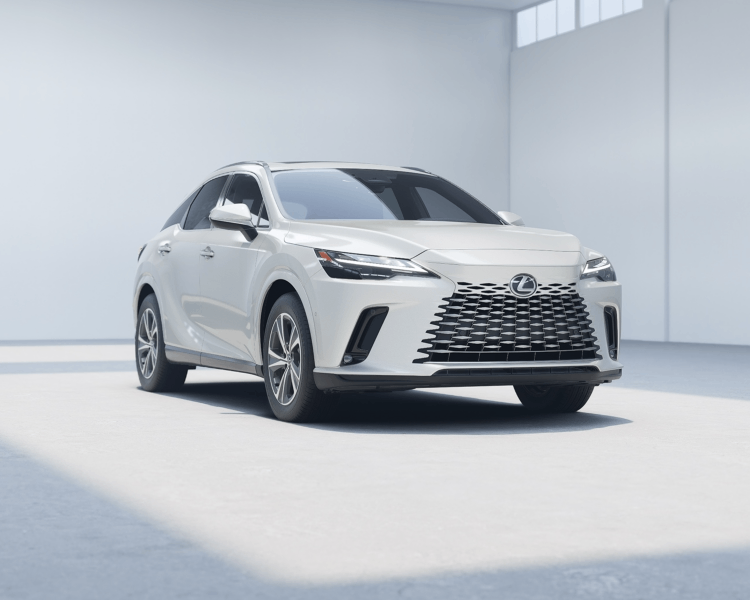
2026 Lexus RX 350 vs. NX 350

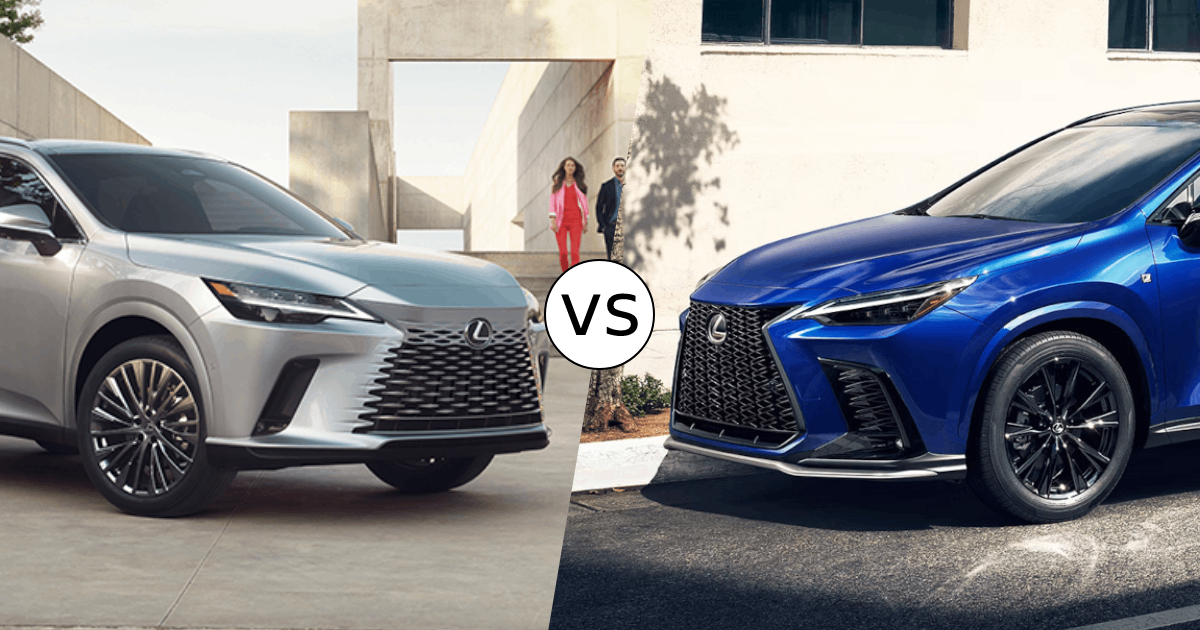
2026 Lexus RX 350 vs. NX 350: Which SUV Fits Your Life?

Choosing between the 2026 Lexus RX 350 and NX 350 isn't just about specs on paper. It's about how these SUVs actually work in your world. Both deliver that Lexus DNA of quality and dependability, but they approach space, power, and daily usability from completely different angles. The RX 350 brings midsize comfort with family-focused muscle, while the NX 350 offers compact nimbleness that thrives in tight city spaces. Your routine will make the choice clear. Want to see what's available right now? Browse our new Lexus inventory at Lexus Stevens Creek. more 2026 Lexus RX 350 vs. NX 350 at a Glance These two SUVs diverge in fascinating ways. The RX 350 targets families who prioritize space, capability, and premium appointments. It owns the highway with authority and devours long stretches without breaking a sweat. The NX 350 plays a different game entirely, crafted for city life where parking spots are scarce and quick reflexes beat raw size. Feature 2026 Lexus RX 350 2026 Lexus NX 350 Engine 2.5L Turbocharged Inline-4 2.4L Turbocharged Inline-4 Horsepower 275 hp 275 hp Torque 317 lb-ft 317 lb-ft Fuel Economy (City/Hwy) 22/29 MPG 21/28 MPG Length 192.5 in 183.5 in Wheelbase 112.2 in 105.9 in Ground Clearance 8.2 in 8.1 in Towing Capacity 3,500 lbs 2,000 lbs 0-60 mph (AWD) 7.2 sec 6.6 sec Both sport that signature Lexus design language with aggressive spindle grilles and crisp LED lighting. They share the same output figures and advanced standard safety technology despite using different engine displacements. The fundamental differences come down to purpose, proportion, and powertrain. The RX delivers superior interior volume and hauls 1,500 pounds more, while the NX prioritizes efficiency and agility without sacrificing luxury touches. Comparing the NX to the RX really boils down to this: do you need extra storage space or easier parking? Want rear-seat comfort for growing teenagers, or do you prefer that tighter, more connected cabin experience? Size and Maneuverability Compared Size tells the complete story here. The RX 350 stretches 192.5 inches, creating authentic spaciousness and commanding road presence. You sit higher with better sightlines, everyone gets more elbow room. Those extra inches translate directly into comfort for families dealing with car seats, sports gear, and growing kids. Meanwhile, the NX 350's compact 183.5-inch footprint makes urban navigation a breeze. Squeezing into San Jose parking spots becomes routine, and threading through crowded mall lots feels natural. The cabin still accommodates five adults without issue, just with a more intimate, cockpit-like atmosphere. That 6.3-inch wheelbase difference between these SUVs affects everything from highway composure to rear passenger comfort. City folks often fall for the NX's quick reflexes, while suburban families gravitate toward the RX's generous dimensions. Consider where you actually park and drive most often. Powertrain and Performance Here's where things get interesting. The RX 350 runs a 2.5L turbocharged four-cylinder while the NX 350 uses a 2.4L turbocharged four-cylinder, yet both produce an identical 275 hp and 317 lb-ft of torque. But the NX 350's lighter curb weight means it hits 60 mph in 6.6 seconds compared to the RX's 7.2-second run. That extra pep suits stop-and-go city driving perfectly. The RX 350's additional heft pays dividends in highway stability and loaded performance. Smooth power delivery really shines during long hauls with passengers and cargo aboard. Both use sophisticated transmissions that read driving conditions and adapt accordingly. Fuel numbers tilt slightly toward the RX at 22/29 MPG (FWD) versus 21/28 MPG for the NX. In AWD configuration, both vehicles are rated identically at 21/28 MPG. If spirited acceleration isn't a priority but fuel costs matter, the NX makes financial sense. Hybrid shoppers can check out both the RX 350h and NX 350h for enhanced efficiency tailored to each vehicle's mission. Interior Space and Cargo Capacity Passenger Comfort for Five The RX 350's longer 112.2-inch wheelbase creates genuinely more legroom and headroom for rear passengers. Teenagers and adults won't feel cramped during longer drives. The wider cabin gives middle-seat passengers actual shoulder room, making three-across seating bearable rather than punishment. The NX 350 accommodates five in a snugger but still comfortable arrangement. Rear passengers might notice reduced space compared to the RX, but for daily commuting and weekend adventures, it's rarely problematic. The sportier interior atmosphere appeals to drivers who view their SUV as an extension of an active lifestyle. Both showcase premium materials throughout their cabins. Quality leather, soft-touch surfaces, and meticulous attention to detail demonstrate Lexus's luxury standards. Cargo Volume and Versatility Here's where the RX 350's size advantage becomes obvious. The larger cargo area swallows grocery hauls, sports equipment, and vacation luggage effortlessly. Split-folding rear seats unlock even more capacity for bulky items. That 3,500-pound towing capability versus the NX's 2,000-pound limit means you can pull boats or travel trailers for weekend escapes. The NX 350 offers less absolute cargo volume but compensates with clever storage solutions. Underfloor compartments, seatback organizers, and strategically placed cubbies maximize every available inch. For individuals or couples without constant hauling needs, the NX provides adequate room for normal life. Both SUVs feature adaptable seating configurations that adjust to different scenarios, whether moving furniture or loading beach gear. Technology and Luxury Amenities Both models share core technology with large touchscreens, Apple CarPlay and Android Auto compatibility, and user-friendly interfaces. Voice recognition, navigation systems, and multiple charging ports keep everyone connected. Lexus Safety System+ 3.0 comes standard on both, providing comprehensive driver assistance. The RX 350 usually includes more premium features in its base configuration. High-end audio systems, heated and ventilated front seats, and sophisticated climate controls come without stepping up trim levels. The RX positions itself as the more luxurious option right from entry level. The NX 350 provides solid technology but might require higher trims for certain upscale touches. This strategy keeps the starting price lower while still delivering modern conveniences most drivers expect. Want to compare specific feature availability? Browse our new Lexus SUV inventory to review different trim levels. NX 350 Spotlight: Urban Agility and Everyday Efficiency The NX 350 thrives in urban settings where tight spaces and heavy traffic define daily reality. Its compact 183.5-inch length makes parallel parking achievable, and precise steering helps you slice through Bay Area congestion confidently. That quicker 6.6-second sprint to 60 mph provides the acceleration you need when merging into fast-moving traffic. Compact dimensions and urban agility remain the NX's key advantages. Lower operating costs add up when racking up miles in city traffic or making multiple short trips. The smaller 14.5-gallon tank requires more frequent stops, but improved MPG helps offset that inconvenience. The NX cabin emphasizes practical convenience. Controls land naturally within reach, visibility remains excellent despite compact dimensions, and entry/exit stays simple even in cramped parking situations. For singles or couples who value efficiency and responsiveness over maximum space, the NX hits the sweet spot. RX 350 Spotlight: Family-Ready Space and Road Trip Comfort The RX 350 excels when family requirements take priority. Extra passenger room means kids can bring friends without sardine-can conditions. Abundant cargo space handles sports bags, musical gear, and all the equipment families collect. Parents don't have to choose between passengers and luggage. Long-distance capability separates the RX from the pack. That larger 17.8-gallon fuel tank extends range between fill-ups. The 3,500-pound towing capacity handles watercraft, camping trailers, or cargo haulers for weekend getaways. Strong acceleration manages highway speeds smoothly, while refined cabin insulation keeps road noise minimal. The RX's luxury feature array enhances every journey, whether crossing town or crossing states. Premium sound systems, multi-zone climate control, and supportive seating make vehicle time genuinely pleasant. Families buying an SUV for long-term use often find the RX's comfort upgrades justify the price difference. Which Lexus SUV Fits Your Life? The RX 350 versus NX 350 choice hinges on your specific priorities. Go with the RX 350 if you regularly transport multiple passengers, need that 3,500-pound towing ability, or want generous cargo capacity. Families with children, road trip lovers, and anyone who values spaciousness will appreciate the RX's capabilities. Select the NX 350 if urban agility, quicker acceleration, and fuel efficiency top your list. Singles, couples, and small families who navigate city streets regularly benefit from the NX's compact footprint and sharp handling. The NX proves you don't need a massive SUV to experience Lexus refinement. Both represent intelligent choices within their respective segments. Neither option is universally superior, just better matched to different lifestyles. Your typical driving environment, passenger requirements, and financial considerations should guide the final verdict. Experience the RX and NX at Lexus Stevens Creek If you're around the San Jose area and want to experience both SUVs personally, Lexus Stevens Creek at 3333 Stevens Creek Blvd maintains the largest Lexus inventory in Northern California. As the region's top-volume luxury dealer for new and pre-owned Lexus vehicles based on 2024 sales figures, we've served Silicon Valley since 1989. Contact our team to arrange a test drive at 408-878-4112, or check our website for current inventory and financing options. Whether you're drawn to the spacious RX or the agile NX, finding your perfect match starts with getting behind the wheel.

Lexus RX Hybrid vs TX Hybrid

Lexus RX Hybrid vs TX Hybrid

Choosing between the Lexus RX Hybrid and TX Hybrid really comes down to understanding what matters most for your daily driving. At Lexus Stevens Creek, we help Bay Area buyers match their lifestyle to the right hybrid luxury SUV. The RX Hybrid speaks to drivers who value nimble handling and efficiency, while the TX Hybrid targets families needing extra seats and cargo space. Both deliver sophisticated technology and exceptional build quality, yet each excels in distinct ways. We invite you to explore our RX and TX hybrid inventory to see these models in person. more RX Hybrid vs TX Hybrid: Two Distinct Approaches to Lexus Luxury The fundamental difference between these models shapes everything from driving dynamics to ownership experience. The RX Hybrid works as a precision instrument crafted for couples, professionals, and small families who prioritize connected driving feel and urban maneuverability. Its compact dimensions make parking effortless while delivering spacious seating for five passengers. The TX Hybrid takes a completely different approach. Built as a three-row family hauler, it extends Lexus luxury to seven passengers. That extra length and width translate to real utility for school runs, weekend getaways, and carpool duties. Performance philosophies diverge significantly. The RX 350h pairs efficiency with responsive acceleration, creating an engaging drive that feels lighter on its feet. The TX 500h focuses on robust power and towing capability, using a more muscular hybrid system to move its larger frame with confidence. Size, Seating, and Cargo Capacity Compared Exterior Dimensions and Footprint The dimensional differences tell an immediate story: Specification RX Hybrid TX Hybrid Length 192.5 inches 203.1 inches Wheelbase 112.2 inches 116.1 inches Height 67.3 inches 70.1 inches Ground Clearance 8.2 inches 7.7 inches The RX stretches to a manageable length that fits comfortably in standard parking spots and navigates tight San Jose streets with ease. The TX grows noticeably in every direction to accommodate that third row, requiring more consideration in confined areas but improving ride quality and cabin space. Passenger Space and Third-Row Considerations Specification RX Hybrid TX Hybrid Seating Capacity 5 passengers Up to 7 (third row standard) Front Legroom 41.1 inches 41.6 inches Second-Row Legroom 37.4 inches 39.5 inches Third-Row Legroom N/A 33.5 inches Cargo Behind Second Row 29.6 cu ft 20.2 cu ft Maximum Cargo 46.2 cu ft 97 cu ft (all rows folded) The RX focuses on quality over quantity. Front seats offer generous adjustment and excellent support. The second row provides legitimate adult-sized space with reclining seatbacks and climate controls. Fold those seats and cargo capacity expands considerably. The TX's second row matches or exceeds the RX while adding sliding capability to balance third-row access with passenger comfort. The third row accommodates children and smaller teens comfortably for reasonable distances, making it ideal for carpools and family trips. Cargo space behind the third row shrinks to grocery-run capacity, but fold those seats and the TX transforms into a legitimate hauler. Hybrid Powertrain Technology and Performance Understanding the electrified Lexus lineup helps clarify why these two hybrids deliver such different driving experiences. RX 350h: Efficiency-Focused Hybrid System Specification RX 350h Engine 2.5L four-cylinder Atkinson-cycle Total System Horsepower 246 hp Torque 233 lb-ft Transmission CVT EPA Fuel Economy 37 city / 34 highway / 36 combined MPG Towing Capacity 3,500 lbs The RX 350h builds its powertrain around maximizing fuel economy without sacrificing the smooth, quiet character Lexus owners expect. A 2.5-liter four-cylinder engine teams with electric motors to generate adequate power for confident merging and highway passing. The system emphasizes seamless transitions between gas and electric power, creating a serene driving experience. All-wheel drive comes standard, using a rear-mounted electric motor to distribute power when traction demands it. Regenerative braking captures energy smoothly, and fuel efficiency stands as the RX 350h's calling card, delivering an impressive range that reduces both environmental impact and fuel costs. Urban driving benefits most, where electric-only operation handles low-speed maneuvering with zero gas consumption. TX 500h: Performance-Oriented Hybrid System Specification TX 500h Engine 2.4L turbocharged four-cylinder Total System Horsepower 366 hp EPA Fuel Economy 27 city / 28 highway MPG Towing Capacity 5,000 lbs The TX 500h reveals a significant power difference that moves the larger SUV with surprising urgency. A turbocharged 2.4-liter four-cylinder combines with electric motors to generate robust output. Towing capability reaches 5,000 pounds when properly equipped, opening possibilities for trailers, boats, or camping gear. The TX uses standard AWD with a more sophisticated mechanical system that splits power front-to-rear more aggressively. Fuel economy naturally trails the RX given the TX's size and power, but it still delivers impressive efficiency compared to non-hybrid three-row SUVs. Interior Refinement and Technology Both models showcase Lexus's reputation for craftsmanship. Soft-touch materials, genuine leather, and carefully selected wood or metal accents create cabins that feel special. The RX leans into a more intimate, driver-focused cockpit design, while the TX expands this philosophy across three rows, maintaining material quality even in the third row. Lexus equips both models with its latest infotainment interface, featuring a large touchscreen with wireless Apple CarPlay and Android Auto. Navigation systems come standard on most trims, offering real-time traffic updates. The TX adds family-friendly features like rear-seat entertainment screens and extra USB ports throughout. Safety Systems Both vehicles include Lexus Safety System+ 3.0 as standard equipment: Forward collision warning with pedestrian detection Automatic emergency braking Adaptive cruise control with Traffic Jam Assist (25 mph or less) Lane-centering steering and emergency steering assist Blind spot monitors and rear cross-traffic alert Front and rear parking sensors The TX gains extra safety features tailored to its size, including a surround-view camera system and safe exit assist that prevents doors from opening into traffic. Pricing Structure and Trim Level Overview The RX Hybrid lineup opens at a lower starting price, reflecting its smaller size and two-row configuration. Base models deliver genuine luxury with core features, while higher trims add convenience touches. Premium and Luxury trims build progressively with larger wheels, upgraded audio, and enhanced leather. The F Sport variant introduces sportier styling and firmer suspension tuning. The TX commands a premium for its hybrid system, extra size, and capability. Within the hybrid lineup, Premium, Luxury, and F Sport trims follow similar progressions. We recommend visiting us to discuss current pricing and available incentives that can make either model fit your budget. Matching the Right Hybrid to Your Lifestyle The RX Hybrid Owner Profile The ideal RX Hybrid owner values driving engagement and efficiency without needing maximum space. Urban and suburban professionals find the RX perfectly sized, offering luxury without excess. Couples and small families with one or two children fit comfortably. You'll appreciate the RX if parallel parking, navigating tight parking structures, and urban maneuverability matter in your daily Silicon Valley commute. The hybrid system delivers excellent range for commuters covering significant distances. Weekend activities rarely require towing, and cargo space proves adequate for golf clubs, shopping trips, or vacation luggage. The TX Hybrid Owner Profile TX Hybrid owners typically have active families with multiple children, carpool responsibilities, or a frequent need for extra passenger capacity. School activities, sports teams, and extended family visits all become easier when you can transport six or seven people in genuine comfort. If you've struggled to fit everyone in a five-passenger vehicle, the TX delivers a compelling alternative. It matches minivan utility while maintaining SUV presence and driving dynamics. Towing capability matters for TX buyers, whether pulling a boat to the lake or hauling camping gear. The hybrid system's low-end torque makes towing less stressful than traditional powertrains. Cargo hauling also features prominently. Costco runs, furniture shopping, moving kids to college, or packing for extended road trips all benefit from the TX's expandable cargo area. Finding Your Perfect Lexus Hybrid at Stevens Creek We encourage you to experience these hybrids firsthand. Lexus Stevens Creek maintains the largest Lexus inventory in Northern California at 3333 Stevens Creek Blvd in San Jose. We've served Silicon Valley since 1989 and hold the distinction of being the region's #1 volume luxury dealer for new and pre-owned Lexus vehicles. Our team understands that comparing features requires more than reading specifications. Schedule a test drive by calling 408-878-4112 or using our online contact form, and we'll arrange back-to-back drives that let you accurately assess which model suits your lifestyle. When you're ready to discuss financing through Lexus Financial Services or evaluate your trade-in, our transparent approach puts you in control. Frequently Asked Questions Which hybrid is more fuel-efficient? The RX 350h delivers better fuel economy at 36 MPG combined due to its smaller size. The TX 500h achieves 27-28 MPG, focusing on performance and towing capability while still outperforming most non-hybrid three-row SUVs. Can the TX Hybrid tow? Yes, the TX 500h supports towing up to 5,000 pounds when properly equipped, handling small boats, campers, or utility trailers comfortably. Is the TX's third row suitable for adults? The third row accommodates children and smaller teens comfortably. Adults can fit for shorter journeys, though longer drives might become uncomfortable depending on height. Which model is better for daily commuting? The RX excels at Bay Area commuting with its compact size, nimble handling, and superior fuel efficiency. The TX works fine for commutes but feels oversized if you're rarely using the extra seats. What maintenance differences exist? Both vehicles follow similar maintenance schedules. The TX's larger size means slightly higher costs for items like tires and brakes. Our service center at 300 Martin Avenue in Santa Clara handles all routine maintenance, offering complimentary car washes and free first two maintenance visits up to 10,000 miles. Reach our service department at 408-878-4122, open Monday through Saturday from 7 AM to 6 PM. Can I see both models at your dealership? Yes, we maintain extensive inventory of both RX and TX hybrids in various trims and colors. Browse our new Lexus inventory online, or visit our showroom Monday through Saturday 9 AM to 8 PM, and Sunday 10 AM to 7 PM. Making the right choice between these accomplished hybrids comes down to honest assessment of your space needs, driving priorities, and daily routines. Both represent Lexus's commitment to hybrid technology wrapped in luxurious packages, just calibrated for different lifestyles. Whether you prioritize the RX's efficiency and agility or need the TX's family-focused versatility, you're choosing a vehicle engineered to deliver years of refined, reliable service.

2026 Lexus RZ vs VW ID.4

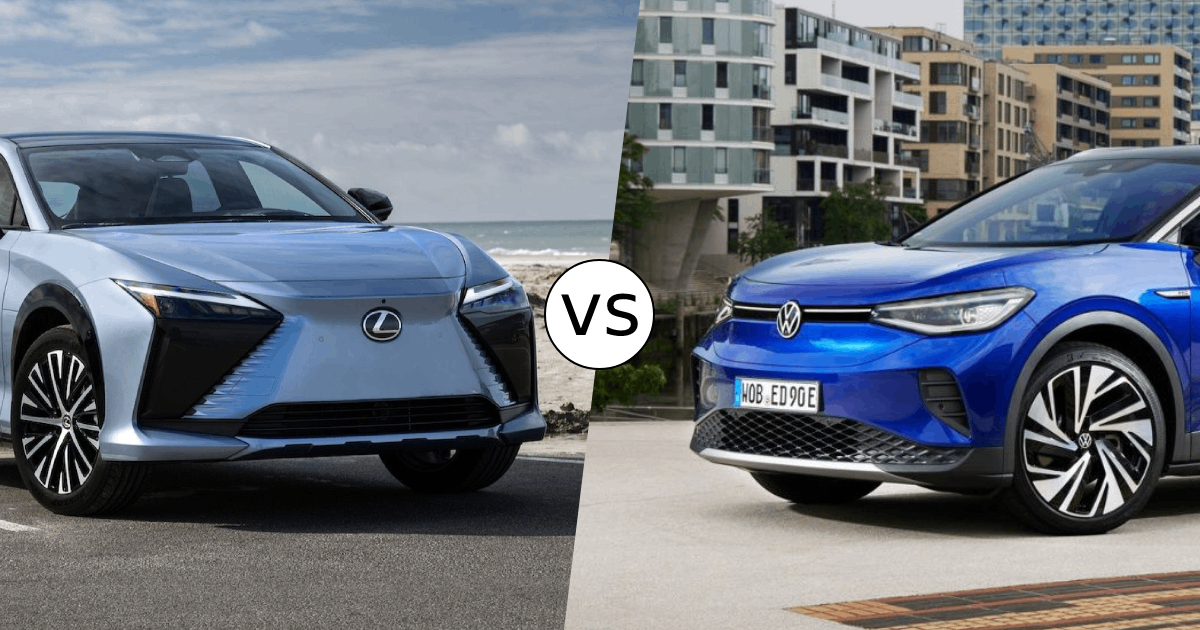
2026 Lexus RZ vs Volkswagen ID.4

Choosing between the 2026 Lexus RZ and the VW ID.4 comes down to what you value most in an electric SUV. The RZ delivers the refinement and attention to detail you'd expect from Lexus, wrapping advanced electric technology in a genuinely luxurious cabin. The ID.4 takes a different approach, offering practical family-friendly transportation at a price point that makes electric driving more accessible. This comparison explores how these two vehicles differ in ways that matter to your daily driving experience. more 2026 Lexus RZ vs VW ID.4: Luxury Meets Mainstream Electric The 2026 Lexus RZ vs VW ID.4 represents two completely different philosophies of electric mobility. Lexus built the RZ for drivers who refuse to compromise on quality, even when embracing new technology. The design language speaks to elegance rather than just efficiency, with every curve and surface suggesting thoughtful consideration that creates presence without shouting for attention. VW designed the ID.4 with broader appeal in mind. The styling stays clean and approachable, prioritizing functionality over exclusivity. It's an electric SUV that fits comfortably into any driveway, focusing on delivering solid electric performance at an accessible price point. Key Specifications Compared Specification 2026 Lexus RZ 2025/2026 VW ID.4 Total System Horsepower 221-402 hp 282-335 hp Drivetrain FWD/AWD FWD/AWD EPA Range Up to 266 miles Up to 275 miles Cargo Volume 34.9 cu. ft. 30.3 cu. ft. Starting MSRP Range Premium luxury segment Mainstream segment What Sets the Lexus RZ Apart Step inside the RZ and you immediately understand what separates luxury from mainstream. The cabin wraps you in premium materials that feel expensive because they are. Soft-touch surfaces cover areas your hands naturally rest, while genuine leather and tasteful wood accents create visual depth. Lexus engineers tuned the suspension to absorb road imperfections while maintaining responsive handling, creating a driving experience that feels serene even on rough pavement. This commitment to refinement extends beyond what you can see. Acoustic glass and strategic sound-deadening materials create a cabin that isolates you from wind and road noise. When you accelerate, the electric powertrain delivers smooth, instant power without intrusive motor whine. These details combine to create an environment where conversation happens at normal volume and stress melts away during your commute. Explore our current Lexus RZ inventory to experience this refinement firsthand. VW ID.4 at a Glance The ID.4 excels at being practical. Its spacious interior provides ample room for passengers and cargo, making it ideal for families who need versatility. The cabin layout prioritizes ease of use over visual drama, with controls that fall easily to hand and a shallow learning curve. VW's pricing strategy reflects their goal of making electric transportation accessible to mainstream buyers, positioning the ID.4 as a solid option for value-conscious shoppers entering the electric vehicle market. Premium Craftsmanship and Interior Quality Running your hand across the RZ's dashboard reveals the difference between luxury and mainstream execution. Lexus sources premium materials and assembles them with precision that's immediately apparent. Panel gaps stay tight and consistent. Switchgear operates with satisfying clicks and smooth resistance. The leather wrapping the steering wheel feels supple, and the stitching follows perfectly straight lines. The ID.4 takes a more utilitarian approach. Materials prioritize durability and easy cleaning over tactile luxury, with hard plastics in areas where the RZ uses soft-touch surfaces. Build quality remains solid, reflecting German engineering standards, but you won't mistake it for a luxury vehicle when comparing materials side by side. Materials and Build Excellence Lexus builds the RZ with materials that justify its premium positioning. Genuine leather covers properly cushioned and supportive seats. Wood trim comes from real trees, hand-selected for grain patterns that create visual interest. Metal accents use actual aluminum rather than painted plastic that tries to fool your fingertips. The ID.4 incorporates sustainable materials that align with VW's environmental messaging. These choices feel appropriate for an electric vehicle focused on reducing environmental impact, performing their function reliably without attempting to mimic luxury car standards. Cabin Refinement and Noise Isolation Cruising at highway speed in the RZ feels remarkably quiet. Lexus employed acoustic glass for the windshield and front windows, substantially reducing wind rush. Additional sound-deadening material in the floor, doors, and roof panels blocks road noise, creating a cabin environment where conversations happen naturally and music sounds clear. The ID.4 includes noise-reducing technologies, though the execution doesn't match the RZ's refinement level. You'll hear more wind noise at speed and more road noise on coarse pavement. The difference won't cause discomfort, but extended highway drives reveal the gap between mainstream and luxury sound insulation. Performance and Driving Dynamics The RZ's electric powertrain delivers performance that surprises drivers accustomed to traditional luxury SUVs. Instant torque from the electric motors provides quick acceleration that feels effortless rather than aggressive. Power delivery stays smooth and linear, building speed without lurching. Lexus tuned the throttle response to feel natural, making the RZ easy to drive smoothly in stop-and-go traffic. VW calibrated the ID.4 for efficiency and everyday usability rather than outright performance. Acceleration feels adequate for merging and passing, delivering power predictably that builds driver confidence without setting your pulse racing. Power Delivery and Acceleration Push the accelerator in the RZ and you experience refined power delivery that feels intentional. The motors respond immediately but progressively, giving you precise control over acceleration. This tuning makes the RZ feel sporty when you want it to and relaxed when you don't. The all-wheel-drive system distributes power between front and rear motors seamlessly, enhancing traction without requiring driver input. The ID.4 provides smooth acceleration that works well for most driving situations. The single-motor front-wheel-drive version delivers adequate power for daily commutes, while the all-wheel-drive variant adds more capability. VW prioritized efficiency over excitement, resulting in competent rather than thrilling acceleration. Handling Precision and Ride Comfort Lexus tuned the RZ's suspension to balance comfort with driving engagement. The setup absorbs bumps effectively while maintaining body control through corners. You can push the RZ through twisty roads with confidence, feeling the chassis respond precisely to steering inputs. Steering provides enough feedback to feel connected to the road without transmitting every imperfection to your hands. The ID.4's suspension prioritizes comfort, using a softer setup that soaks up bumps with ease. This approach works well for family transportation, keeping passengers comfortable over rough roads. Handling feels secure rather than sporty, with more pronounced body roll than the RZ when cornering enthusiastically. Advanced Technology and Innovation Both vehicles showcase modern technology, but their implementations reflect different priorities. The RZ integrates advanced features seamlessly into the luxury experience, with interfaces designed to feel intuitive from the first interaction. Controls respond crisply, menus organize logically, and the system rarely requires digging through multiple layers to find common functions. The ID.4's technology focuses on practical features that enhance daily usability. VW's interface emphasizes simplicity over sophistication, making it approachable for less tech-savvy buyers. Worth noting: Lexus vehicles can now access Tesla Superchargers, significantly expanding charging network options for RZ owners in the Bay Area and beyond. Infotainment and Digital Experience The RZ's infotainment system reflects Lexus' commitment to user experience. The touchscreen responds quickly to inputs, eliminating frustrating lag that plagues some systems. Apple CarPlay and Android Auto integration works seamlessly, letting you use familiar smartphone interfaces. Navigation provides clear directions with graphics that make upcoming turns easy to anticipate, while voice recognition understands natural language commands. VW equipped the ID.4 with a straightforward infotainment system that covers the basics well. The interface works reliably, though it lacks the polish of the RZ's system. Response times occasionally lag slightly, and menu organization sometimes requires extra steps to reach desired functions. Driver-Focused Features and Controls Lexus designed the RZ's controls with driving enthusiasts in mind. The drive mode selector lets you adjust throttle response, steering weight, and suspension firmness to match your mood and road conditions. Paddle shifters behind the steering wheel control regenerative braking levels, giving you precise control over energy recuperation. The digital gauge cluster reconfigures based on drive mode, presenting relevant information clearly without overwhelming you with data. The ID.4 includes essential driver assistance features without overwhelming buyers with excessive options. Controls stay simple and accessible, prioritizing functionality over customization, which simplifies the driving experience for most buyers. Safety Systems and Driver Assistance Both vehicles come equipped with comprehensive safety technology. The RZ includes Lexus Safety System+, featuring adaptive cruise control, lane departure warning with steering assist, automatic emergency braking, and blind-spot monitoring. These systems work unobtrusively, intervening only when necessary while providing subtle warnings that don't startle drivers. VW includes its IQ.Drive suite of driver assistance features in the ID.4, offering similar capabilities to the RZ's safety systems. Features function reliably, though some drivers report more intrusive warnings compared to Lexus' subtler approach. Both vehicles earned strong safety ratings from IIHS and NHTSA, so you're covered either way. Ownership Experience and Long-Term Value When you invest in either vehicle, you're making a commitment that extends well beyond the purchase price. The ownership experience includes factors like reliability, service quality, and how well the vehicle maintains its value over time. Brand Reputation and Resale Value Lexus built its reputation on exceptional reliability and owner satisfaction over decades of consistent performance. The brand consistently ranks at the top of dependability studies, reflecting engineering focused on long-term quality rather than quick fixes. This reputation translates directly to strong resale values, with Lexus vehicles typically retaining more of their original value than mainstream brands. When you're ready to sell or trade your RZ, you'll likely recover a higher percentage of your investment compared to competitors. VW continues building its electric vehicle reputation with the ID.4. Early owners generally report positive experiences, though the model lacks the decades-long track record that makes buyers confident in Lexus dependability. Resale values for the ID.4 should remain competitive within the mainstream electric SUV segment, though they won't match luxury brand retention rates. Service and Warranty Support At Lexus Stevens Creek, we combine the resources of Penske Motor Group with personalized service that makes car buying enjoyable rather than stressful. As the #1 volume luxury dealer for new and pre-owned Lexus vehicles in Northern California based on 2024 sales data, our facility at 3333 Stevens Creek Blvd in San Jose offers amenities like Wi-Fi lounges and loaner vehicles, making service visits convenient rather than disruptive. Every new Lexus includes complimentary maintenance for the first two service visits or 10,000 miles, whichever comes first. Our service technicians receive factory training specific to Lexus models, ensuring they understand the RZ's systems thoroughly. Our dedicated service facility at 300 Martin Avenue in Santa Clara operates Monday through Saturday from 7 AM to 6 PM. Get pre-approved for financing to streamline your purchase experience. VW provides solid warranty coverage for the ID.4, reflecting the company's confidence in its electric vehicle technology. The dealership network continues expanding to accommodate growing electric vehicle sales, offering adequate support at competitive pricing for routine maintenance. Why the 2026 Lexus RZ Stands Out at Lexus Stevens Creek Superior Luxury and Refinement The 2026 Lexus RZ represents the intersection of luxury craftsmanship and electric innovation, creating a vehicle that doesn't compromise either priority. Premium materials, exceptional sound isolation, and refined driving dynamics set the RZ apart from mainstream electric SUVs in ways you'll notice every time you get behind the wheel. Exceptional Ownership Value Lexus' proven reliability and strong resale values ensure your investment holds its worth over time. Combined with our comprehensive service support and convenient Silicon Valley location, the RZ ownership experience justifies its premium positioning through years of satisfied driving. Schedule Your Test Drive Today We're open Monday through Saturday from 9 AM to 8 PM, and Sunday from 10 AM to 7 PM at 3333 Stevens Creek Blvd. Experience the RZ firsthand with guidance from our knowledgeable staff who understand what makes this electric SUV special. Call us at 408-878-4112 or contact our team to schedule your test drive and explore current inventory and financing options through Lexus Financial Services.

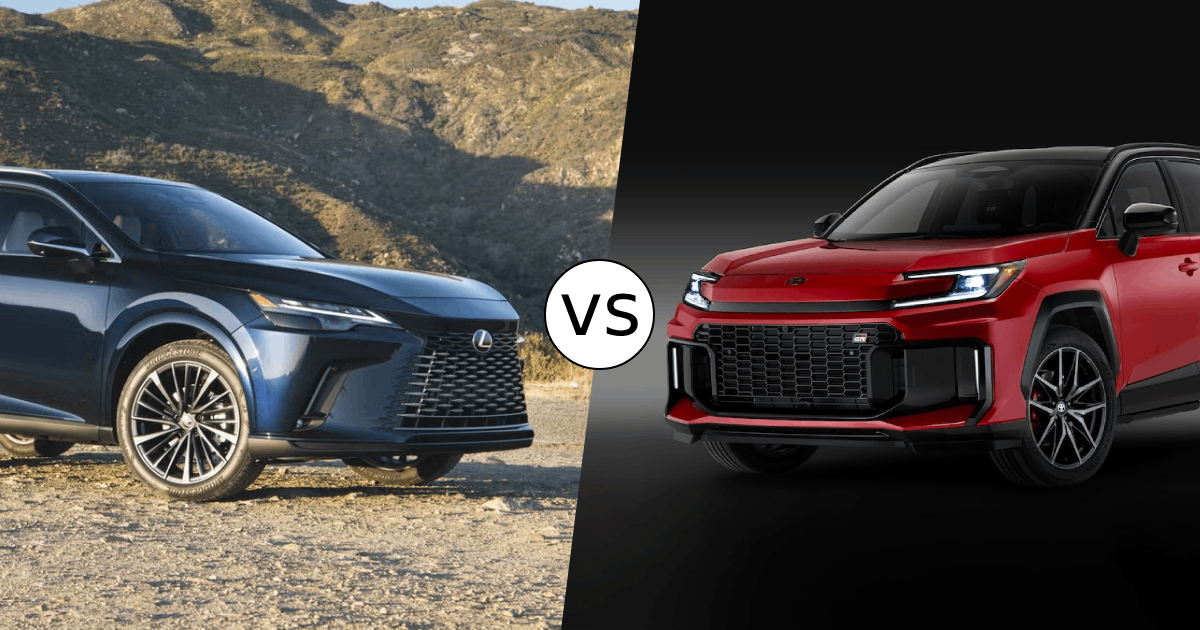
2026 Lexus RX vs Toyota RAV4

2026 Lexus RX vs Toyota RAV4

Choosing between the 2026 Lexus RX and Toyota RAV4 often comes down to what matters most in your daily drive. The RX delivers refined luxury with premium materials and a sophisticated cabin, while the RAV4 focuses on practical versatility with strong cargo capacity and fuel efficiency. For 2026, the RAV4 has been completely redesigned and now comes exclusively with hybrid powertrains, Toyota has eliminated the gas-only option entirely. Both share Toyota's engineering DNAbut serve distinctly different lifestyles. more 2026 Lexus RX vs Toyota RAV4: Luxury Meets Practicality The Lexus RX vs RAV4 debate centers on two fundamentally different philosophies. The RX positions itself as a luxury SUV, delivering an upscale experience through premium materials, advanced technology, and a refined driving character. Walk into the cabin and you'll notice soft-touch surfaces, genuine wood trim, and meticulous attention to detail that reflects Lexus's luxury positioning. The Toyota RAV4 takes a completely different route. This compact SUV puts practicality first with a no-nonsense design that emphasizes reliability and everyday value. Its interior focuses on durability and functionality rather than opulence, with a straightforward layout that feels intuitive even on your first drive. These vehicles serve entirely different buyer needs and budgets, with nearly $20,000 separating their starting MSRPs. The RX appeals to those seeking comfort and prestige, offering a serene driving environment particularly valued by Silicon Valley professionals navigating Bay Area commutes. The RAV4 attracts buyers who need a dependable workhorse capable of handling active lifestyles and family duties. Size, Space, and Cargo Capacity The Lexus RX vs RAV4 dimensions reveal interesting trade-offs between luxury and utility: Specification 2026 Lexus RX Toyota RAV4 Length 192.5 in. 181 in. Wheelbase 112.2 in. 105.9 in. Cargo (Seats Up) 29.6 ft³ 37.8 ft³ Cargo (Seats Folded) 46.2 ft³ 70.4 ft³ While both vehicles offer similar passenger space, the RX's longer wheelbase (112.2 vs 105.9 inches) contributes to a more relaxed ride quality. Premium materials and superior sound insulation create a quiet, refined cabin that elevates the overall experience on longer trips. Here's where the RAV4 shines: that 24+ cubic foot cargo advantage with seats folded makes a substantial difference for hauling sports equipment, luggage, or weekend shopping. The RAV4 also offers slightly more rear-seat headroom and legroom for passengers. Its squared-off rear end provides more vertical space for taller items, while the RX's sloping roofline prioritizes style over maximum storage. For families who regularly transport bulky gear, the RAV4's layout offers clear advantages. Performance and Fuel Efficiency Powertrain Options and Driving Experience The Lexus SUV vs Toyota SUV performance comparison highlights distinct priorities: Specification 2026 Lexus RX Toyota RAV4 Engine 2.4L turbo inline-4 2.5L inline-4 hybrid Horsepower 275 hp 226 hp (FWD) / 236 hp (AWD) Torque 317 lb-ft — Transmission 8-speed automatic CVT Fuel Type Premium recommended Regular unleaded Note: The 2026 RAV4 is hybrid-only. Toyota discontinued the gas-only powertrain for this generation. The RX delivers more powerful engine options designed for a smooth, dynamic driving experience. Its refined powertrains respond quickly to throttle inputs while maintaining the quiet, composed character we know Lexus owners expect. The RX's suspension tuning prioritizes comfort, absorbing road imperfections that would jolt passengers in more utilitarian vehicles. The RAV4 offers efficient engines that prioritize fuel economy over outright power. While less dynamic than the RX, the RAV4 provides adequate performance for daily driving and highway cruising. The 2026 Toyota RAV4 hybrid delivers particularly impressive efficiency without sacrificing practicality, with its powertrain feeling responsive in city traffic where electric power handles most of the work. Fuel Economy Comparison The Toyota RAV4 hybrid price 2026 includes a powertrain that significantly outperforms the Lexus RX in fuel efficiency: Metric 2026 Lexus RX Toyota RAV4 City MPG 22 45-46 Highway MPG 29 39-40 The RAV4's efficiency advantage is dramatic, more than double the city mileage. For drivers navigating stop-and-go traffic, this translates to substantial annual savings. The RX delivers respectable fuel economy for a luxury SUV but prioritizes driving refinement over maximum efficiency. Interior Quality, Technology, and Comfort Step inside either vehicle and the differences become immediately obvious. The Lexus RX showcases upscale craftsmanship throughout, every surface feels substantial and well-designed. Soft-close doors, precisely damped controls, premium audio options: these details matter to luxury buyers. The large touchscreen features crisp graphics and intuitive menus. Available upgrades include a heads-up display, Mark Levinson audio, and multi-zone climate control. The RAV4 takes a utilitarian approach with a well-designed interior focused on user-friendly technology. While not luxurious, the cabin feels thoughtfully laid out with controls positioned for easy access. The infotainment system provides essential connectivity, smartphone integration, navigation, audio streaming, with a straightforward interface. Browse our current RX inventory to see available configurations with Mark Levinson audio, panoramic moonroofs, and other premium packages. Safety Features and Reliability Both vehicles come equipped with comprehensive safety technology. The Lexus RX includes Lexus Safety System+ as standard equipment, providing features like pre-collision warning, automatic emergency braking, lane departure alert, and adaptive cruise control. Available upgrades add blind-spot monitoring with rear cross-traffic alert and a 360-degree camera system. Research shows Lexus's safety systems are noted as polished and less intrusive than some competitors. The RAV4's Toyota Safety Sense suite delivers equivalent core protection with strong IIHS and NHTSA ratings. Both brands share engineering resources and quality control processes. Lexus vehicles typically rank slightly higher in reliability studies, but the difference reflects luxury refinement rather than fundamental durability concerns. At Lexus Stevens Creek, we back every vehicle with factory-trained technician service, comprehensive warranty coverage, and complimentary first two maintenance visits up to 10,000 miles. Which SUV Is Right for You? The choice between the 2026 Lexus RX vs Toyota RAV4 ultimately depends on your priorities and lifestyle. Neither vehicle represents a wrong choice, but each excels in different areas that matter to specific buyers. Choose the 2026 Lexus RX If You Want The RX makes sense when the driving experience matters as much as the destination. Select this SUV if you appreciate a serene cabin that transforms stressful commutes into peaceful retreats. The RX suits buyers who view their vehicle as an extension of their lifestyle. If you frequently drive clients or want to make a professional impression, Lexus prestige delivers that confidence. Features like heated and ventilated seats, premium audio, and refined suspension reward drivers who value comfort and are willing to pay for it. Reserve your RX at Lexus Stevens Creek to secure your preferred configuration. As Northern California's top-volume Lexus dealer, we offer competitive financing through Lexus Financial Services. Choose the 2026 Toyota RAV4 If You Prefer The RAV4 represents the smart choice when practicality drives your decision. Active families who regularly transport sports equipment, camping gear, or make frequent warehouse runs will appreciate the cargo-focused design. The RAV4 works particularly well for first-time SUV buyers or those who prioritize efficiency. Its manageable footprint makes parking easier while still providing ample space for daily needs. The standard hybrid powertrain delivers guilt-free efficiency without compromise. For buyers wondering about Lexus equivalents: the Lexus NX sits closer in size to the RAV4, while the RX competes more directly in terms of market positioning. Contact us at 408-878-4112 to explore your options. Frequently Asked Questions How should I decide between these vehicles? Consider how you'll actually use the vehicle daily. If your commute is long and stressful, the RX's refined cabin creates a sanctuary. If you're constantly loading gear, shuttling kids, or watching fuel costs, the RAV4's practical advantages compound over time. Test driving both back-to-back often clarifies which priorities matter most. Will the RAV4's hybrid system require expensive maintenance? Toyota's hybrid technology has proven remarkably reliable over two decades. The battery is warrantied for 10 years/150,000 miles, and real-world data shows most last well beyond that. No plug-in charging required. The system charges through regenerative braking and the gas engine. How do these SUVs handle Bay Area conditions? Both perform well in our region's varied conditions. The RX excels on highway commutes where sound insulation and adaptive cruise control reduce fatigue. The RAV4's hybrid system shines in stop-and-go traffic. Both offer available all-wheel drive for trips to Tahoe or wine country. Can I get luxury features in the RAV4 or practicality in the RX? The RAV4 Limited adds leather-trimmed seats, premium audio, and advanced technology, though material quality remains distinctly mainstream. The RX offers adequate cargo space for most daily needs; the difference only becomes limiting when regularly maximizing capacity. Neither fully crosses into the other's territory. What should I expect during test drives? In the RX, notice cabin quietness at highway speeds, seat comfort over 20+ minutes, and control feel. In the RAV4, test the cargo area with items you'd actually carry and evaluate the hybrid system's seamless transitions. Drive your typical routes rather than just around the block. Visit Lexus Stevens Creek at 3333 Stevens Creek Blvd in San Jose. We're open Monday–Saturday 9 AM–8 PM and Sunday 10 AM–7 PM.

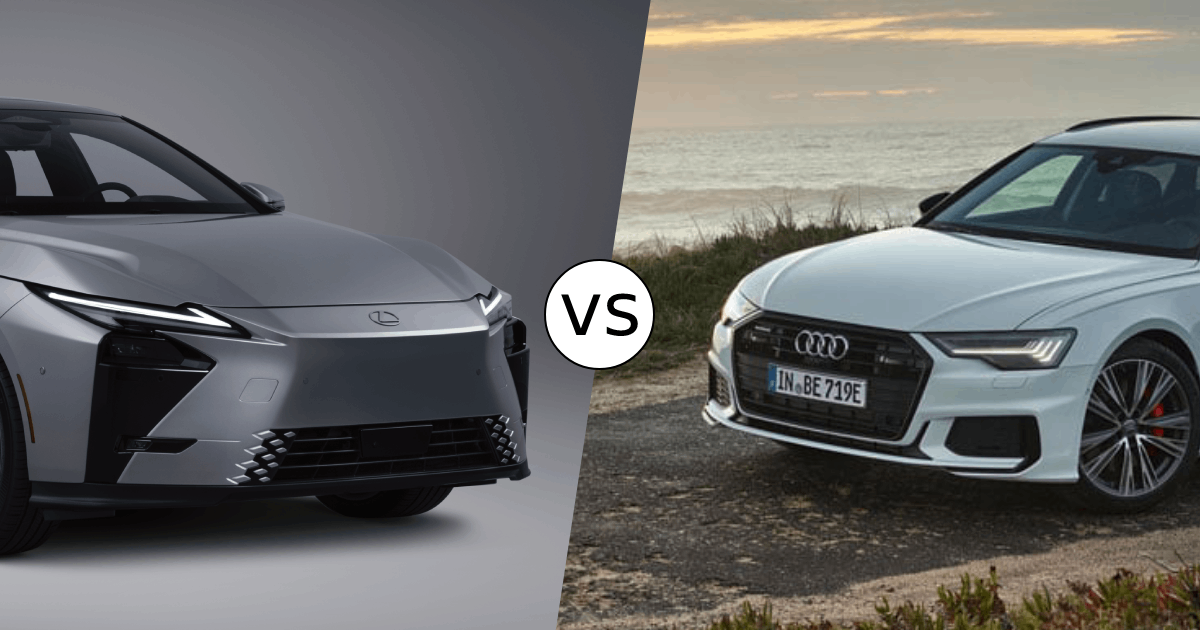
2026 Lexus ES Hybrid vs Audi A6 Avant e-hybrid

2026 Lexus ES Hybrid vs Audi A6 Avant e-hybrid

At Lexus Stevens Creek, we run detailed comparisons to help Bay Area luxury buyers make smart decisions. This 2026 Lexus ES Hybrid versus Audi A6 Avant e-hybrid matchup shows two completely different takes on premium hybrid driving. The Lexus ES Hybrid champions refined simplicity with proven self-charging tech that doesn't require any changes to how you live. The Audi A6 Avant e-hybrid goes for plug-in complexity plus wagon practicality. Let's dig into which approach delivers better real-world value for Silicon Valley drivers. more Specifications at a Glance Feature 2026 Lexus ES Hybrid 2026 Audi A6 Avant e-hybrid Powertrain 2.5L 4-cyl + Electric Motors 2.0L Turbo 4-cyl + Electric Motor Total System Output 215 hp 362 hp Drivetrain FWD AWD Transmission CVT 7-Speed Dual-Clutch EPA Combined MPG 44 mpg 70 MPGe (electric), 29 mpg (gas only) Electric-Only Range N/A (Self-Charging) 38 miles Cargo Volume 13.9 cu ft 30.0 cu ft IIHS Safety Rating Top Safety Pick+ (projected) Top Safety Pick (projected) Note: Final 2026 specifications subject to official manufacturer confirmation. Browse our current ES Hybrid inventory to see available trims and configurations at Lexus Stevens Creek. Hybrid Technology That Works for Your Lifestyle Lexus ES Hybrid: Proven Self-Charging Efficiency The ES Hybrid's full hybrid system eliminates charging infrastructure from your ownership experience entirely. There's no home charging station to install, no hunting for public chargers, and no lifestyle adjustments required. This makes it ideal for apartment dwellers, those without garage access, or anyone who simply doesn't want another thing to manage. The powertrain switches between electric and gas power based on driving conditions automatically. During those San Jose commutes, it runs on electric power at lower speeds, then brings the gas engine online when you need to merge onto 101. This seamless management delivers steady 44 mpg combined in all conditions, stuck in Santana Row traffic or cruising down to Carmel for the weekend. Why Plug-In Complexity Creates Ownership Challenges The Audi A6 Avant e-hybrid needs regular charging to hit its efficiency numbers. With a full battery, you get 38 miles of electric-only range and that impressive 70 MPGe figure. But when the battery depletes, you're driving a heavier vehicle that returns just 29 mpg, significantly less than the ES Hybrid's consistent 44 mpg. This creates real planning considerations many buyers don't anticipate. Weekend trips require thinking about charging availability. Hotels may or may not have compatible stations. Daily charging discipline becomes another household task to maintain. For buyers who travel frequently or prefer predictable operation, the plug-in approach introduces variables that complicate rather than simplify ownership. Interior Craftsmanship and Cabin Refinement Premium Materials and Build Quality The ES Hybrid's cabin quality shows Lexus's focus on materials that last. Real leather, genuine wood trim, and solid switches create a space that looks good years down the road. Every surface you touch regularly feels substantial and well-engineered. The Audi goes for a more tech-forward look with contemporary styling. That said, we've noticed Lexus interiors typically hold up better over time, with fewer rattles and less wear at the spots you touch most. Seating Comfort and Passenger Experience Those ES Hybrid front seats excel on long drives with supportive cushioning that won't leave you sore. Back seat passengers get real adult space with plenty of legroom and their own climate controls in higher trims. Yes, the Audi's wagon setup gives you more cargo room at 30.0 cubic feet versus the ES Hybrid's 13.9 cubic feet. But that body style works for fewer buyers. The ES Hybrid puts its engineering focus on passenger comfort in all seats rather than maximizing cargo space, which matches what most luxury sedan buyers actually want. Technology, Safety, and Peace of Mind Lexus Safety System+ and Driver Assistance Every Lexus ES Hybrid comes with full Lexus Safety System+ standard. This complete package includes adaptive cruise control, lane departure alert with steering assist, automatic emergency braking, and automatic high beams. These systems work quietly in the background without constant alerts that wear you out. The radar cruise control really shines during Bay Area highway drives, keeping smooth following distances automatically. Steering assist gives gentle lane-centering help without fighting you for control of the wheel. Many competing systems intervene aggressively and create tension rather than confidence, the Lexus approach feels like genuine assistance. Infotainment and Connected Services The ES Hybrid's infotainment focuses on easy operation over bells and whistles. The touchscreen responds right away with logical menus that don't require a learning curve. Standard Apple CarPlay and Android Auto give you familiar smartphone connection. Voice commands handle everyday requests using natural language instead of memorized phrases. Temperature changes, navigation, and audio switching all respond to how you'd naturally ask, letting you keep your eyes on the road and hands on the wheel. Ride Quality and Highway Comfort These cars show completely different approaches to how they ride. The ES Hybrid puts serene comfort above everything else. Its suspension soaks up road imperfections beautifully, keeping passengers isolated from harsh impacts. Highway cruising delivers that classic luxury sedan floating feeling that reduces fatigue on long drives. Lexus engineers spend serious money on sound isolation using multiple barriers and precisely sealed construction. Wind and road noise stay remarkably controlled even at higher speeds, so you can have easy conversations and clear phone calls. The Audi delivers sportier handling with tighter body control through corners. This performance-focused suspension gives up some ride comfort on rough pavement. Most luxury sedan buyers value daily comfort over aggressive cornering ability, making the ES Hybrid's setup more practical for typical driving. Long-Term Value, Reliability, and Ownership Costs Lexus Reliability Reputation and Warranty Coverage Lexus consistently ranks at the top for reliability in independent surveys. The ES Hybrid continues this tradition with a proven hybrid powertrain that's shown remarkable durability across millions of miles in previous generations. The transmission uses fewer moving parts than conventional automatics, reducing potential failure problems. Comprehensive warranty coverage gives you real protection during those early ownership years, cutting financial risk from unexpected repairs. Here at Lexus Stevens Creek, our experienced team explains warranty details thoroughly and helps you maximize coverage value throughout ownership. Resale Value and Total Cost of Ownership We see major differences in projected ownership costs over typical five to seven-year periods. Lexus vehicles traditionally hold stronger resale values in used markets, preserving more of your original investment. This slower depreciation provides substantial financial benefit when you trade in or sell privately. Maintenance costs consistently favor the ES Hybrid. Regular service typically costs less than European luxury competitors, and proven reliability means fewer surprise repair bills. Insurance premiums usually run lower for Lexus vehicles compared to similar Audi models. When you combine this with stronger resale values, the ES Hybrid presents compelling total cost advantages even when purchase prices look similar. The first two complimentary maintenance visits cover routine service through your first year, reducing early ownership costs. Our factory-trained technicians know every detail of ES Hybrid systems, ensuring expert care throughout your vehicle's service life. With strong demand for ES Hybrid models, we recommend you reserve your preferred configuration early to secure your ideal trim and color combination. The Verdict: Why the 2026 Lexus ES Hybrid Earns Our Recommendation After thorough evaluation, we confidently recommend the 2026 Lexus ES Hybrid for luxury buyers who prioritize real-world ownership value. The Audi A6 Avant e-hybrid offers sporty dynamics and wagon versatility, but these attributes serve a narrower audience and come with trade-offs in daily usability and long-term costs. What separates the ES Hybrid isn't any single feature—it's how everything works together. Efficiency without behavior changes. Durability alongside comfort. Technology that assists without demanding attention. And an ownership experience that rewards you financially year after year. Schedule Your Lexus ES Hybrid Test Drive Ready to experience the difference yourself? Visit Lexus Stevens Creek at 3333 Stevens Creek Blvd in San Jose or call 408-878-4112 to schedule your test drive. As Northern California's highest volume luxury dealer, we maintain the region's largest Lexus inventory with numerous ES Hybrid configurations available. Reserve your preferred model today. We're open Monday through Saturday from 9 AM to 8 PM and Sunday from 10 AM to 7 PM for your convenience.

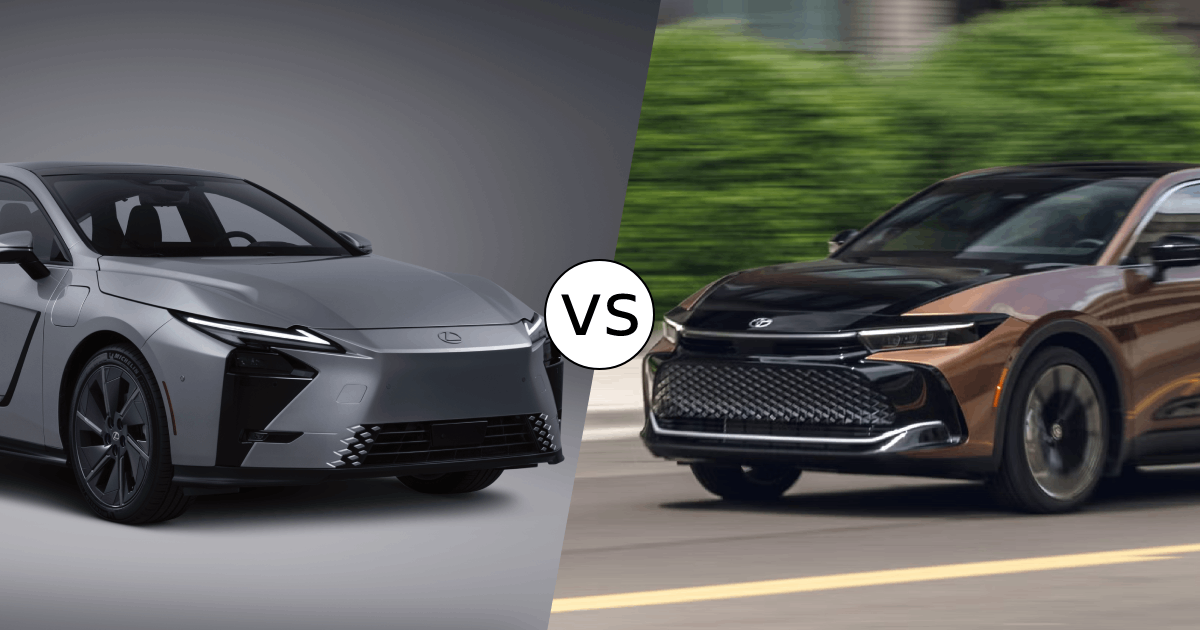
2026 Lexus ES vs Toyota Crown

2026 Lexus ES vs Toyota Crown: Which Luxury Sedan Wins?

The 2026 Lexus ES and the Toyota Crown need no introductions in the luxury sedan segment. These highly popular models are renowned for their refined cabins, tech, and multiple powertrain choices. Our Lexus Stevens Creek experts explore the key differences between these premium sedans with this 2026 Lexus ES vs. Toyota Crown comparison. Discover the right model to purchase for your San Jose and Santa Clara drives. more What Makes the 2026 Lexus ES vs Toyota Crown Comparison Unique Both models come from the same parent company. While the Lexus ES is under Toyota's luxury division, the Crown is part of the automaker's mainline brand. The Crown retains the Toyota badge while the Lexus ES carries the distinctive Lexus badge. While the Lexus ES has remained a staple in the U.S. market for decades, the Toyota Crown returned recently to the U.S. market after a long hiatus. 2026 Lexus ES Overview: Traditional Luxury Refined Elegance meets performance as the all-new, electrified Lexus ES comes to life in 2026. The reimagined premium sedan features a bold, expressive look, masterfully crafted proportions, and a flowing profile that make heads turn wherever you go. This sedan features the new Lexus Safety System 4.0+, with enhanced detection for safer rides. Trim Levels and Starting Prices The 2026 Lexus ES debuts with three trim levels. Electric enthusiasts can choose between the 350e and the 500e models. The hybrid 350h trim level is available for those who want to enjoy the best of gas and electric transportation. Starting prices for the all-new Lexus ES aren't out yet, but estimates place the base model's MSRP at $45,000. Key Features and Target Buyer The 2026 Lexus targets loyal Lexus buyers who prioritize electric mobility, reliability, and ride comfort. Here's a breakdown of the Lexus ES's key features: All-electric and hybrid powertrains for optimized power and performance. Multiple color palette options for improved aesthetics. Top-tier tech provides an enriched in-car convenience and entertainment. An extended wheelbase and body length create more interior space. The Lexus Safety System 4.0+ for safe, confident driving. 2026 Toyota Crown Overview The 2026 Toyota Crown has a sophisticated design with bold exterior styling for an awe-inspiring road presence. It blends modern technology and high-end performance for an exhilarating driving experience. The sedan's higher ride height and all-weather capability make it an excellent choice for buyers in San Jose and Santa Clara. Trim Levels and Starting Prices The 2026 Toyota Crown offers four trim levels, including the XLE, Limited, Nightshade, and Platinum. Each trim level has unique features designed for your trips in and around Stevens Creek. The Toyota Crown base model's starting MSRP is $41,440. Key Features and Target Buyer The 2026 Toyota Crown targets Stevens Creek drivers seeking a performance-oriented sedan that blends comfort and practicality without overlooking luxury. Here are some of these sedans' key features: Hybrid powertrains with e-AWD for robust vehicle performance. Advanced audio multimedia for immersive in-car entertainment. Upgraded connectivity to help you stay connected and updated. The Toyota Safety Sense 3.0 suite for safer driving. Interior Quality and Comfort Face-Off Both the 2026 Lexus ES and the Toyota Crown are renowned for their upscale, spacious interiors with leather upholstery for optimal comfort. That said, several key factors set the Lexus ES apart from its closest competitor. Materials and Build Quality The 2026 Lexus ES's cabin features premium materials with 3D-printed Bamboo details, ambient lighting, and dynamic themes, creating a luxurious look. Slimmer seats and lower window edges create a sense of openness in the cabin. With an extended body length and wheelbase, the Lexus ES outshines its competitors in interior spacing. By comparison, the Toyota Crown features soft-touch materials and body-colored accents. The sedan retains the cabin dimensions of its predecessor. Front Seat Comfort and Adjustability All Crown models feature eight-way adjustable power-adjustable front seats for maximum comfort. Heated and ventilated front seats come standard on all models. With the Lexus ES's Executive package, you get 14-way power-adjustable front seats. It also features heating and ventilation profiles for optimal comfort. Rear Seat Space and Passenger Experience In the ES Executive package, rear passengers can enjoy reclining, massaging seats. It also has heating and ventilation profiles for the backbenchers. While the Toyota Crown offers rear heated seats, it does not come with reclining or massaging options. Cargo Space and Practicality The 2026 Toyota Crown has a cargo capacity of 15.6 cubic feet with split-folding rear seats for longer items. While there's no information yet on the 2026 Lexus cargo capacity, projections suggest it will have an expansive trunk, just like the 2025 Lexus ES. The luxury sedan offers versatile storage solutions, including a ski pass-through and passenger side ottomans. Technology and Infotainment Systems Top-tier tech is abundant in the 2026 Lexus ES. The driver-focused cockpit features a 14.0-inch multimedia touch screen for swift and convenient access. By comparison, the Crown has a 12.3-inch infotainment system with Toyota's upgraded software. Both vehicles support Android Auto and Apple CarPlay integration, as well as wireless charging and onboard Wi-Fi. An available Mark Levinson audio system in the ES delivers an immersive experience during your road trips to Stevens Creek. Performance and Powertrain Options The 2026 offers three engine choices to meet your power and performance needs. For the 350h model, a 2.5-liter hybrid system with an integrated eAxle delivers up to 243 horsepower. The all-electric BEV 350e and 500e models offer 300 and 250 miles of range when equipped with 19-inch wheels. Except for the Platinum trim, which has the 2.4-liter Hybrid Max setup, all other Toyota Crowns feature a 2.5-liter hybrid system. The Platinum model delivers 340 horsepower, while other trims offer up to 236 horsepower. Making Your Decision Choosing between the Lexus ES vs. Toyota Crown depends on your unique automotive needs and driving style. However, both vehicles are solid options and embody the essence of driving a luxury sedan. If you want a fast and powerful sedan that prioritizes comfort and performance, the 2026 Lexus ES is a top choice. It has an elegant design and top-tier tech for optimal comfort and convenience during your San Jose drives. Ready to discover the 2026 Lexus ES? Visit Lexus Stevens Creek to learn more and explore our inventory.

2025 acura tlx vs lexus is 350

2025 Acura TLX vs Lexus IS 350

Searching for your ideal luxury sport sedan can feel like a never-ending quest. The 2025 Acura TLX vs. Lexus IS 350 matchup stands as one of today's most interesting head-to-head battles. Both cars fight for the attention of buyers looking for the perfect combination of performance, luxury, and lasting value. In this cars comparison, our team at Lexus of Stevens Creek digs into everything that matters, from how they drive and feel to tech features and what they'll cost you over time, so you can pick the right ride for your daily drives. more Quick Comparison Overview The Acura TLX and Lexus IS 350 serve different buyers in the luxury sport sedan world, The TLX draws in drivers wanting sporty feel with luxury touches at good prices, while the Lexus IS 350 pulls in those who value reliability, comfort, and brand status. It's worth noting that some Lexus IS 350 models come with rear-wheel drive, a favorite among sport sedan purists for better handling, stronger acceleration, and more fun driving dynamics. Performance and Powertrain Comparison Engines is where these luxury rides really differ. The Lexus IS 350 F Sport's naturally aspirated 3.5-liter V-6 engine produces 311 horsepower and 280 lb-ft of torque with a top speed of 143 mph. The rear-wheel-drive (RWD) IS 350 F Sport speeds from 0 to 60 mph in just 5.6 seconds due to its V-6's immediate power delivery and the RWD setup's better launch grip. The Acura TLX produces 272 horsepower and 280 lb-ft of torque from its 2.0-liter turbocharged I-4 that's paired with a 10-speed automatic transmission with paddle shifters. This combo gets the TLX from 0 to 60 mph in about 5.9 seconds. If you're after more power, the TLX Type S packs a punch with 355 horsepower and 354 lb-ft of torque from its 3.0-liter turbo V-6. This set up rockets from 0 to 60 mph in 4.6 seconds. Fuel Economy and Efficiency Analysis Looking at fuel efficiency, the TLX Technology with front-wheel drive gets 22 mpg city and 31 mpg highway. The all-wheel-drive (AWD) A-Spec gets 21 city and 29 highway, while the AWD Type S is less efficient with 19 mpg city and 25 mpg highway. The Lexus IS 350 delivers EPA ratings of 20 mpg city and 28 mpg highway with RWD and 19 mpg city and 26 mpg highway with AWD, putting it just behind the TLX models. The engine philosophies create distinct personalities. The TLX's turbo engines give you that low-end torque but get less fuel-efficient when pushed hard. The Lexus naturally aspirated engines tend to be more consistent no matter how you drive. For Bay Area folks dealing with unpredictable traffic, the IS 350's V-6 gives you steady fuel use whether you're cruising down Highway 101 or crawling through traffic on I-280. Let's compare the cars side by side in terms of long-term fuel cost. Long-Term Cost Analysis With San Jose gas prices running higher than the national average, these mile per gallon differences really matter. The TLX 2.0-liter AWD has an EPA-estimated annual fuel cost of roughly $2,500 compared to $2,700 for the IS 350 AWD. Interior Design and Technology Features When you compare the interior of the TLX vs. IS 350, the Lexus is more spacious in front, with 38.2 inches of front headroom and 44.8 inches of front legroom compared to the Acura's 37.2 inches of front headroom and 42.5 inches of front legroom. The TLX wins in the back with 34.9 inches of rear legroom vs. 32.2 inches in the Lexus. The TLX gives you 13.5 cubic feet of cargo volume compared to 10.8 cubic feet for the IS 350. These luxury sedans both offer excellent technology features. The TLX comes with a 12.3-inch screen, wireless Apple CarPlay and Android Auto, and a touchpad controller, while the IS 350 has a smaller 8-inch touch screen. Both cars use nice materials throughout, but the Acura's bigger screen and ELS Studio 3D sound system create a more immersive feel while driving. Lexus counters with its Memory System that remembers seat settings — great for couples sharing driving duties. Pricing and Trim Level Analysis The basic TLX Technology trim starts at $45,400, the mid-level A-Spec with AWD runs $50,400, and the TLX Type S costs $58,050. The IS 350 starts lower with the F Sport Design RWD at $45,155, then the F Sport Design AWD at $47,155, the F Sport at $47,230, and the F Sport AWD at $49,230. When it's time to sell, the Lexus IS 350 holds its value well, retaining about 59% of its value after five years, while the Acura TLX keeps 55%. That difference adds up in the long run. Reliability stats back this up. Lexus ranked #1 in J.D. Power's 2025 U.S. Vehicle Dependability Study for the third consecutive year, while Acura sat towards the bottom. These facts make the Lexus IS 350 a smarter long-haul investment. Making the Right Choice for Your Luxury Sedan Needs Looking at the Acura TLX vs. Lexus IS 350 head-to-head, both offer powerful engines, great performance, comfortable interiors, and advanced tech. However, the Lexus IS 350 simply gives you better build quality, reliability, and long-term value. Want to check out the 2025 Lexus IS 350 for yourself? Stop by our Lexus Stevens Creek dealership in San Jose, California, for a test-drive, and see why smart luxury buyers often end up with a Lexus in their garage.

2025 Lexus TX Versus Toyota Grand Highlander

2025 Lexus TX vs. Toyota Grand Highlander

If you're looking for a three-row SUV that fits your family's daily routine while giving you space and dependability, then the 2025 Lexus TX and Toyota Grand Highlander are two great choices. They are more related than you'd think, though aimed at different buyers. Both offer families plenty of room and modern technology, but weighing up the differences in luxury levels and price tags involves more than just simple preferences. Let our team at Lexus Stevens Creek help you decide which to choose with this full Grand Highlander versus Lexus TX comparison. more Two Premium Three-Row SUVs: Understanding the Lexus-Toyota Connection Both SUVs share the GA-K platform and the basic mechanical parts that Toyota has perfected over time. They use a turbocharged 2.4-liter four-cylinder engine instead of a V-6 and can tow up to 5,000 pounds when properly equipped. Beyond these shared foundations, they focus on different buyer segments. The Lexus TX targets luxury buyers seeking premium materials and refined driving, while the Grand Highlander is built for practical shoppers who prioritize value over luxury touches. That's why people call the Grand Highlander the "Lexus TX Toyota equivalent" when they want similar capability without luxury pricing. The 2025 Lexus TX measures 203.1 inches, compared with the Grand Highlander's 201.4 inches, and both share a 116.1-inch wheelbase. Toyota's feature upgrades are closing the gap between brands, as the Grand Highlander now includes standard equipment that used to be luxury-only. Pricing and Value: Premium Versus Practical Positioning Price differences will play a significant part when you're considering the Grand Highlander versus the Lexus TX. The basic 2025 Grand Highlander starts at $40,860, while the cheapest TX costs $55,140 — that's $14,000 more for the Lexus badge, premium materials, and luxury positioning. Hybrid versions widen the gap further. The Grand Highlander Hybrid starts at $44,210, compared to the TX hybrid at $68,660. The Grand Highlander's price includes standard all-wheel drive (AWD), delivering strong value. The top Lexus TX 550h+ Luxury AWD costs $77,210. The top Grand Highlander MAX Platinum costs $58,775, roughly $20,000 less than comparable Lexus models. If you're like most Silicon Valley families and are facing high household bills, that difference could be significant. Performance and Powertrains: More Different Than You'd Expect Despite shared platforms, engine tuning differs notably. Toyota's gas engine produces 265 horsepower and 310 lb-ft of torque; the Lexus exceeds this with 275 horsepower and 317 lb-ft of torque. The TX 350 achieves 21 mpg in the city and 27 mpg on the highway, while the Grand Highlander delivers 21 mpg in the city and 28 mpg on the highway. Hybrid versions show bigger gaps. The TX500h F Sport Performance combines a turbo 2.4-liter with two electric motors for 366 horsepower. The Grand Highlander Hybrid Max delivers a nearly identical 362 horsepower. Toyota offers a nonturbo 245-horsepower hybrid as its entry-level option. Lexus dominates with plug-in capability. The TX 550h F Sport uses a 3.5-liter V-6 engine with two electric motors and an 18.1 kWh battery pack. The motors produce 101 horsepower and 179 horsepower, respectively, for a combined system output of 404 horsepower and 33 miles of electric range. If you're a San Jose commuter, you can drive each day electrically while maintaining a gas backup for longer trips. Fuel Economy and Efficiency: Hybrid Technology Face-Off Gas mileage matters a lot to Bay Area families. Both SUVs are relatively fuel-efficient, but their hybrid systems operate differently. The Grand Highlander's basic 245-horsepower hybrid delivers good efficiency without complex turbo parts, while the stronger hybrid versions deliver similar real-world miles per gallon despite their extra power. The Lexus TX 550h F Sport achieves around 29 mpg combined, which increases to 76 MPGe when running on electricity. It doesn't support DC fast charging, but can be fully charged on a Level 2 home charger in three hours. If you have home charging in a place such as Palo Alto, most daily drives can be completed using zero gas. The Grand Highlander Hybrid Max has plenty of power for passing slower traffic on I-280 or I-101. It has a towing capacity of 5,000 pounds and delivers 27 mpg combined in everyday driving. This balance of efficiency and lower purchase price makes it attractive if you want hybrid perks without the extra cost of plug-in systems. Interior Space and Seating: Comfort Meets Practicality There's not much difference when you're comparing the Lexus TX versus Grand Highlander dimensions: headroom, legroom, and hip room are all similar. There are differences in seating capacity, though. The Grand Highlander seats eight with bench seats in the second and third rows, while the Lexus TX comes as a six- or seven-seater with comfortable captain's chairs. The Grand Highlander's cabin is roomy, but the craftsmanship and overall atmosphere of the Lexus interior make a stronger impression, yet many drivers find the Grand Highlander seats just as comfortable. Lexus includes fancier touches even in its cheapest version, with digital gauges, mood lighting, and NuLuxe seats all standard. But Toyota's not far behind, with heated front seats, multizone climate control, and wireless phone connectivity even in its most basic trim, demonstrating Toyota's competitive edge. Technology and Infotainment: Premium Features Versus Value Technology differences highlight each SUV's market position. The 2025 Lexus TX Hybrid comes with a 14-inch touch-screen display plus a 12.3-inch digital gauge cluster, with an optional head-up display. You get wireless Apple CarPlay and Android Auto, a Wi-Fi hot spot function, and a 12-speaker sound system that can be upgraded to a 21-speaker Mark Levinson system if you're an audio buff. The Grand Highlander takes a more practical approach to technology. It has a 12.3-inch touch screen, while XLE models use a 7-inch digital display. The Limited and Platinum versions feature a 12.3-inch gauge display that closely matches what Lexus offers. Toyota includes all the connectivity most families need, with JBL premium speakers available for better sound. Both systems work well from day to day, though the Lexus interface feels slicker and quicker to respond. If you're technology-savvy, either SUV provides phone integration and connectivity that makes life easier, but Lexus adds luxury touches, including bigger screens and better audio, which partly justify its higher price. Choose Your Premium Three-Row SUV Wisely The Grand Highlander offers excellent value if you require reliable three-row transportation without luxury costs. The Lexus TX is a better fit if you want premium materials and a sense of luxury; it costs less than many European luxury SUVs while providing Toyota reliability. The plug-in hybrid works perfectly if you're an eco-conscious buyer. Contact our team at Lexus Stevens Creek to arrange a test-drive of the 2025 Lexus TX to help you decide whether its premium features justify the investment.

2025 Lexus TX vs. 2025 Acura MDX

2025 Lexus TX vs. 2025 Acura MDX

If you have a big family or need to haul plenty of cargo around, the Lexus TX and Acura MDX are both solid options. These SUVs do a great job of providing upscale interiors while offering ample power and a range of tech features to keep everyone entertained. But how should you go about choosing the right option for your California driving needs? Check out the comparison by our SUV experts at Lexus of Stevens Creek to get an idea of what's on offer. more 2025 Lexus TX vs. Acura MDX: Comprehensive SUV Showdown San Jose drivers find many similarities when comparing the TX and MDX. Here are their common attributes: Cabins with three rows of seats and a good amount of cargo space at the rear. A focus on city and highway driving, setting them apart from SUVs that cater to off-roading. Rear row seats can be folded to create more cargo space. Plenty of modern tech and connectivity options, like Android Auto and Apple CarPlay, helping you to use your phone on the go. Similar price range, starting at just over $50,000, a reasonable cost for a luxury SUV. Beyond these similarities, there are important differences between MDX and TX, including between power trains, cargo options, and trim configurations. Performance and Powertrain Analysis Between both vehicles, the Lexus has a more efficient offering with a turbocharged four-cylinder option compared to the V-6 in the MDX. Lexus' 2.4L turbo-four is good for 275 horsepower and 317 lb-ft of torque. That's enough to propel this big SUV to 60 mph in less than 8 seconds, which is ideal for fast acceleration up to highway speeds. In the MDX, the standard engine offers 290 horsepower. You can upgrade to a turbocharged V-6 with 355 horsepower, but with a significant price jump. For fuel economy, the Lexus has a slight edge, returning up to 27 mpg on the highway vs. the Acura's 26 mpg. The Lexus is also available as a hybrid or plug-in hybrid vehicle, allowing you to improve your fuel efficiency. These vehicles' drivetrains are similar, with the Lexus operating on an eight-speed automatic transmission and the Acura on a 10-speed automatic. Both vehicles come standard with front-wheel drive, with all-wheel drive available as an optional upgrade. AWD is a good choice if you want to take advantage of the TX's 5,000-pound towing capacity. Interior Space and Comfort Comparison Inside the cabin, both vehicles offer room for seven passengers across three rows of seats. The Lexus TX size is slightly ahead of the MDX, with over 20 cubic feet of storage, compared to the 16 cubic feet in the Acura. Nonetheless, the Acura MDX size comparison still reveals an impressive amount of cargo room when the rear two rows are folded down. The MDX offers over 71 cubic feet of space in this configuration, which still falls short of the Lexus with over 97 cubic feet of space. Whether you're looking to move your bulkiest items or just take the groceries home after work, the TX provides more space and flexibility. Technology and Infotainment Systems The Lexus TX vs. Acura MDX specs on the tech front are extensive. The TX has: A 14-inch touchscreen and a 12-speaker stereo as part of its high-powered infotainment system. A 12.3-inch digital gauge cluster to monitor your vehicle's performance. Various connectivity options, like wireless Apple CarPlay and Android Auto, Bluetooth, and USB ports. In the MDX, you can get: A 12.3-inch infotainment display and an 11-speaker audio system to access your favorite music. A 12.3-inch digital gauge cluster for key performance stats. Wireless Apple CarPlay and Android Auto, Amazon Alexa, Bluetooth, and USB ports to support you with connectivity and voice recognition. The two SUVs offer similar driver assistance features. Forward collision warning and automatic emergency braking can kick in to avoid accidents in an emergency. The driver's attention monitor checks your response times and lets you know when you're getting too tired to continue safely on the road. Optional surround-view parking cameras in both vehicles give you a better overview of what's going on at all angles as you maneuver into your parking spot. Pricing and Value Proposition The Acura MDX vs. Lexus TX price comparison shows that both vehicles are in a similar class, with the TX costing slightly more in its base trim. The TX lineup includes: The base 350 trim costs about $55,000 and has synthetic leather upholstery and heated and power-adjustable front seats. The 350 Premium costs approximately $58,500. It gains a panoramic sunroof, ventilated front seats, and memory settings for the driver. The 350 Luxury costs $61,000, and has genuine leather upholstery and heated second-row seats. The F Sport Handling trim costs close to $65,000 and comes with standard AWD, an upgraded suspension, and 22-inch alloy wheels. The MDX can offer: The base MDX costs $51,000, and includes synthetic leather upholstery and heated front seats. The A-Spec costs $61,000. It has a hands-free power liftgate, and heated and ventilated front seats. The Type S starts at $75,000. Its standout feature is the bigger engine. Which SUV Should You Choose in San Jose? Making a choice is always difficult, but we'd recommend the Lexus TX you're buying for your family. It has a larger cargo area and better fuel economy. If you're looking for luxury features and a vehicle that holds its value over the longer term, both cars are strong candidates. It will ultimately come down to which features you personally prefer. To get a better idea, reach out to our team and arrange to test drive the TX in San Jose today! After you've seen how this three-row SUV performs on the road, we can help you with a loan or lease agreement at our finance center.

2025 Lexus GX vs. Land Rover Defender

2025 Lexus GX vs. Land Rover Defender

If you're shopping for a luxury SUV that can handle real off-road adventures, you've probably included the 2025 Lexus GX and the Land Rover Defender among your options. Both models pack serious capability under polished exteriors while offering different approaches to blending sophistication with trail-ready toughness. more Performance and Powertrain Showdown First, let's compare the engines, towing capacity, and fuel economy to see how these two SUVs compete in power, efficiency, and capability. Engine Type and Power The GX keeps things simple with one engine type for all models: a 3.4-liter twin-turbo V-6 that produces 349 horsepower and 479 lb-ft of torque. The GX can sprint from 0 to 60 mph in a decent 6.5 seconds. The Defender's three distinct engine options are a 2.0-liter turbocharged four-cylinder engine that produces 296 horsepower, a 3.0-liter inline-six engine that generates 395 horsepower, and a V-8 engine that pumps out 518 horsepower and a tremendous 626 horsepower in the OCTA model. Towing Capacity Towing capacity varies by trim level in the GX. The Premium, Premium+, and Overtrail+ trims can tow 9,063 pounds, while the Overtrail trim pulls 9,096 pounds. The Defender's maximum towing capacity is 8,200 pounds. That's over 1,000 pounds less than the GX models — an important factor if you need to haul a boat to Tahoe or camping gear to Big Sur. Drivetrain and Efficiency The Defender features an eight-speed automatic transmission with all-wheel drive. The GX boasts a 10-speed Direct-Shift automatic transmission, a standard Full-Time four-wheel-drive system, plus a Torsen limited-slip locking center differential on every model. Gas mileage for the GX is an estimated 21 mpg on the highway and 17 mpg combined. The Defender gets 18-19 mpg in the city and 21-23 mpg on the highway, which varies by engine choice. Off-Road Driving Experience Both vehicles bring competitive capabilities to the competition. Here we'll explore each vehicle's personality based on its dynamics and off-roading features, which are worth considering if you enjoy off-roading on Silicon Valley's trails. The Lexus GX The GX features a double-wishbone front suspension and a multi-link rear setup. Adaptive Variable Suspension is available for enhanced ride comfort, while a standard Electronic Kinetic Dynamic Suspension System increases stability and improves traction on the Overtrail and Overtrail+ trims. These models also get a 1-inch suspension lift, raising ground clearance to 9.84 inches. The GX 's Multi-Terrain Select system offers five modes (Auto, Dirt, Sand, Mud, and Deep Snow), plus Crawl Control with five low-speed settings for when things get really tough — it's technology that works when you need it most. The Land Rover Defender The Defender takes a different approach that works well for everyday use and also makes it a powerful contender for off-roading on tough terrain and in deep water. Models with oil springs offer firm but controlled damping, while those with air suspension smooth things out even more. The top-of-the-line Defender OCTA goes all out, with a fully independent suspension featuring 6D Dynamics and hydraulically cross-linked adaptive dampers. The OCTA trim's ground clearance reaches an impressive 12.7 inches, while standard ground clearance on most trims is between 8.5 and 9 inches. All-Terrain Progress Control, the Terrain Response 2 system, and wade sensing technology add some serious off-roading prowess to the Defender's package. Technology and Infotainment Battle Both SUVs deliver excellent technology and infotainment, but with distinctive styles. The Lexus GX The GX features a standard 14-inch multimedia touch screen running Lexus Interface with wireless Apple CarPlay and Android Auto integration. The 12.3-inch digital gauge cluster looks sharp, and the multi-information display includes cloud navigation with voice assistance. Six USB-C ports on most models make sure everyone's devices are charged. Audio starts with a decent 10-speaker setup, but if you're serious about sound quality, you'll want the optional 21-speaker Mark Levinson system. The Lexus Safety System+ 3.0 offers precollision assist, lane departure alert with steering assist, road sign assist, and proactive driving assist in addition to basic standard safety features. Land Rover Defender Land Rover's Pivi Pro system runs on a 13.1-inch curved touch screen in most models, and built-in Amazon Alexa voice and over-the-air updates are available on select models. The 360-degree camera system and ClearSight Ground View are genuinely helpful features, especially in tight parking spots around San Jose. A Meridian sound system, wireless charging, and keyless entry round out the package. The Defender's safety system features blind-spot monitoring, adaptive cruise control, and available head-up displays. Reliability and Ownership Costs Upfront payments and ongoing maintenance costs are a huge factor to consider before making a final decision on which vehicle to purchase. Initial Payment The GX starting prices range between $66,185 for the base trim and $82,650 for the Luxury+ model. The sweet spot might be the Overtrail at $73,830, with 33-inch all-terrain tires, locking rear differential, and 360-degree cameras that make even challenging trails feel manageable. The Defender casts a wider net with prices ranging from $63,500 for the 110 S model up to $168,700 for the OCTA Black trim. Reliability Lexus ranks as the second most reliable car brand overall, according to Consumer Reports statistics. Lexus also holds the first place on the list of best brands for used cars that are 5 to 10 years old. That's something that really matters if you're planning to keep your vehicle for a while. Maintenance Costs and Warranties Land Rover ranks among the brands with the highest estimated maintenance and repair costs, with a tendency to need more ongoing service and major repairs than most brands. Lexus ranks well in comparison, with estimated maintenance costs for the first 10 years coming in at under half the amount of Land Rover vehicles. Recommended maintenance intervals are the same for both brands: every 5,000 miles for oil changes, with major services required at 15,000 to 30,000 miles. Both brands offer a four-year/50,000-mile limited warranty and a six-year corrosion and perforation warranty. Land Rover provides extended service protection coverage for up to seven years/120,000 miles. Lexus offers a powertrain warranty of 72 months/70,000 miles, plus extended parts and accessory plans. Choose Your Ultimate Luxury Off-Road Companion The Lexus GX is an unbeatable choice if you value dependability and low ownership costs but want a luxury vehicle with a smooth ride and off-roading capability. Come visit us at Lexus Stevens Creek in San Jose, California, to take the GX for a test-drive and discover your next adventure companion.

Contact Us

Fill out this form below and we'll contact you shortly
*Required Fields