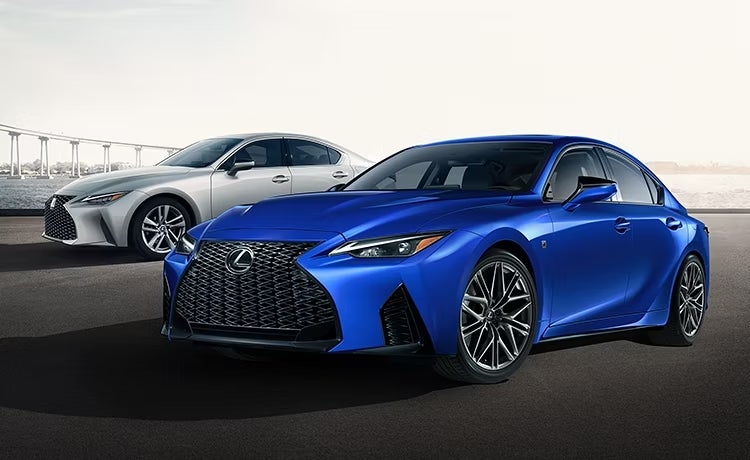
Blog / Car Tips

Blog

All Car Tips New Inventory Local Comparison Review Lexus News Community Sneak Peek Vehicle Showcase Pre-Owned
Lexus Owner FAQs: Maintenance Lights, TPMS, BSM, and More

Lexus Owner FAQs: Maintenance Lights, TPMS, BSM, and More

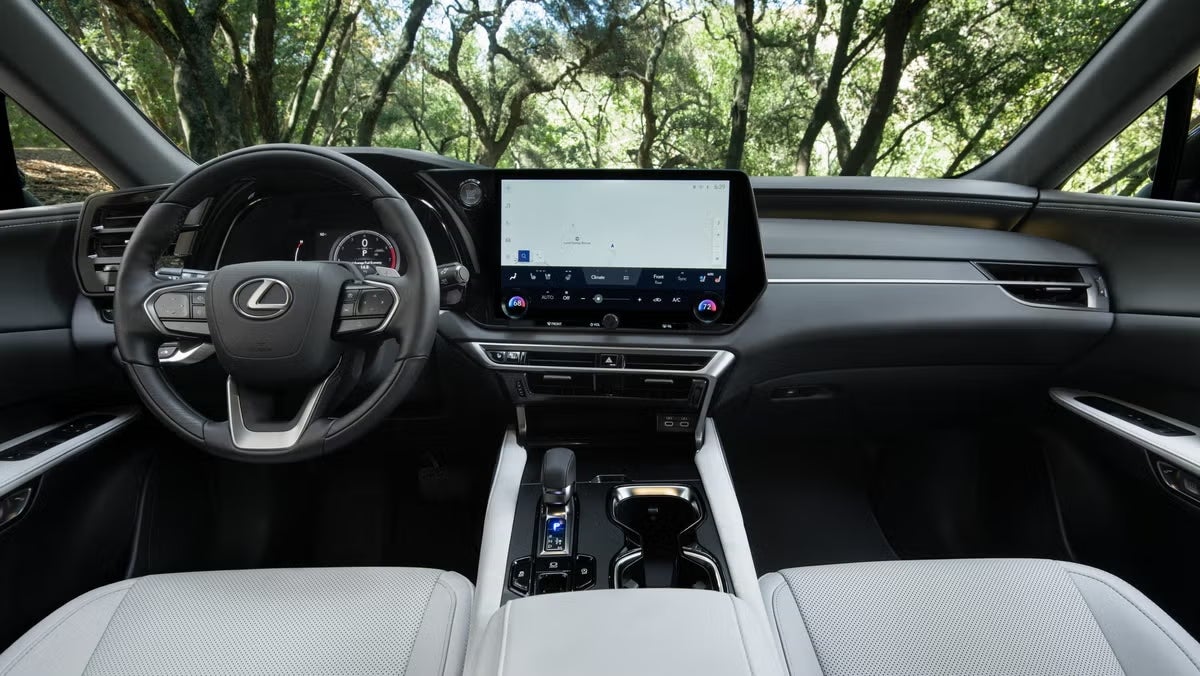
Owning a Lexus means driving one of the most refined vehicles on the road, but even the best-engineered cars come with questions. A dashboard light you don't recognize, a TPMS warning that appeared overnight, a key fob that stopped responding for no apparent reason. Knowing how to handle these moments is what keeps ownership from becoming stressful. This guide covers the most common Lexus owner FAQs so you can act confidently and keep your vehicle performing the way it should. If your vehicle needs attention now, schedule a service appointment with our team at Lexus Stevens Creek and we'll take it from there. more What Are the Most Common Questions Lexus Owners Have? The questions we hear most often cluster around a few key areas: interpreting dashboard warnings, resetting service reminders, understanding safety features like the Blind Spot Monitor, and handling basic upkeep like tire pressure resets and key fob battery replacements. These aren't signs of inexperience. They reflect how much is packed into a modern Lexus. Our service team hears them regularly from drivers across all model lines, from the popular RX 350 to the performance-focused IS 500. If you're also considering a new vehicle alongside your service needs, browse our new Lexus inventory to see what's available. Getting clear answers makes a real difference in how confidently you drive and how well you maintain your car over the long haul. How Do I Reset the Maintenance Required Light on My Lexus? The Maintenance Required light is probably the most frequently Googled topic in Lexus troubleshooting. It appears suddenly, offers almost no explanation, and can feel more alarming than it actually is. In most cases, it simply means your vehicle has hit a scheduled service interval and needs a routine checkup. What Triggers the Maintenance Required Light? Lexus vehicles track mileage to determine when scheduled maintenance is due. The light typically appears at roughly every 5,000 miles after the last service reset. For drivers using full synthetic oil, the service interval extends to around 10,000 miles, though the reminder still triggers at 5,000. Driving habits matter too. Frequent short trips and stop-and-go Silicon Valley commute traffic can accelerate wear on engine oil and fluids, meaning your actual service needs may arrive sooner than the standard schedule suggests. Step-by-Step: Resetting the Maintenance Light Yourself Once you've completed the required service, resetting the light is pretty straightforward. The exact steps vary slightly by model year. For older models: Turn the vehicle off. Press the start button without pressing the brake pedal to enter accessory mode. Use the trip meter button on the instrument cluster to navigate to the Trip A or odometer display. Hold that button down for several seconds until the display flashes and resets to zero. Turn the vehicle off and restart it. The light should be gone. For newer models with a touchscreen multi-information display, navigate to vehicle settings, locate the maintenance section, and select the reset option. If you're unsure which procedure applies to your trim, our service team is happy to walk you through it. What Is BSM on a Lexus and How Does It Work? BSM stands for Blind Spot Monitor. Lexus equips this system with radar sensors mounted behind the left and right sides of the rear bumper to detect vehicles traveling in adjacent lanes. When another vehicle enters your blind spot zone, a warning indicator lights up in or near the corresponding side mirror. Signal a lane change while that indicator is active, and the system issues a more urgent alert to stop you from merging into an occupied lane. Highway driving, tight urban lane changes, merging onto busy Bay Area freeways. All of it becomes noticeably less stressful with BSM active. Why Is My BSM Light On and What Should I Do? If the BSM indicator stays lit when no vehicle is nearby, or a message appears saying the system is unavailable, a few likely causes are worth checking. The radar sensors sit near the rear bumper corners, which makes them vulnerable to blockage from mud, snow, ice, or heavy debris. Start with a visual inspection. Clean the sensor areas gently with a soft cloth and warm water, then see if the system reactivates. If that doesn't resolve it, the issue could point to sensor misalignment following a repair, a software glitch, or internal sensor damage. At that point, having a factory-trained technician run diagnostics is the right call. Persistent BSM warnings shouldn't be ignored. How Do I Reset the Tire Pressure Monitor on My Lexus? The TPMS keeps an eye on air pressure in each tire and alerts you when one or more drops below the recommended threshold. Bay Area temperature swings, common in the San Jose area, can cause temporary pressure drops that trigger the light even without a puncture. After inflating a tire, rotating tires, or installing a new set, you'll often need to reset the system so it recalibrates properly. On most Lexus models, navigate to vehicle settings on the dashboard display, find the TPMS or tire pressure section, and select the reset or initialize option. The system will relearn correct readings as you drive, usually within a few miles. Always confirm your tires are inflated to the correct PSI first. That number is printed on the sticker inside the driver's door jamb. If your tires check out and the light stays on, visit our service department for a tire pressure inspection. Our technicians can confirm whether the issue is pressure-related or points to something else. When Does a TPMS Warning Signal a Sensor Problem? Not every TPMS alert means your tires are underinflated. Lexus uses a direct TPMS system with individual battery-powered sensors mounted inside each wheel. Those batteries typically last 5 to 10 years before they need attention. A dead or damaged sensor triggers a fault warning that looks different from a standard low-pressure alert. The low-pressure light shows a cross-section of a tire with an exclamation point. A sensor malfunction usually shows the same symbol alongside a separate indicator or an accompanying message on the display. If you suspect a sensor issue, a diagnostic check is the right next step. How Do I Replace the Battery in My Lexus Key Fob? This is one of the easiest DIY tasks a Lexus owner can handle. Most Lexus key fobs use a CR2032 lithium coin battery, available at most pharmacies or hardware stores for roughly $3 to $8. Battery lifespan is typically 1 to 2 years. To replace it: Locate the small mechanical key hidden inside the fob and remove it. Use a flathead screwdriver to gently remove the key fob cover plate. Remove the old battery and note its orientation. Press the new CR2032 into place in the same position. Snap the casing back together and test. Signs that the battery is running low include having to move closer before the fob responds, needing to press buttons multiple times, or seeing a low-battery warning on your dashboard. What If My Key Fob Still Does Not Work After a Battery Change? First, confirm the battery is seated correctly with the positive side facing the right direction. Even a slight misalignment will prevent the fob from working. Then check the battery contacts inside the fob for corrosion or visible damage. If the fob looks physically fine but still won't respond, it may have lost its pairing with the vehicle, or there could be internal or water damage requiring reprogramming. That requires a dealership visit, since the process involves syncing the fob to the vehicle's onboard computer. Our team at Lexus Stevens Creek can handle this quickly. What Other Dashboard Warnings Do Lexus Owners Ask About? Beyond maintenance reminders and TPMS alerts, the Lexus dashboard can display a range of symbols that aren't always self-explanatory. Here's a quick reference for the most common warnings: Immediate Action — Stop Driving Schedule Service Soon Red Oil Pressure Light (oil can icon) Check Engine Light (amber) Red Temperature Light (thermometer icon) Maintenance Required Light (amber) Red Brake System Light TPMS Warning Light (amber) Red Battery Light ABS Light (amber) As a general rule: red lights are urgent. Amber lights need attention soon but typically don't require stopping immediately. Check Engine Light vs. Maintenance Required Light These two warnings are commonly confused. Here's the key difference: Maintenance Required Light Check Engine Light Icon Amber wrench Amber engine outline Cause Mileage-based service reminder Detected engine or emissions fault DIY reset? Yes, after service No — requires diagnostic scanner Urgency Schedule routine service Schedule diagnosis promptly The Maintenance Required light carries no diagnostic information. The Check Engine light stores fault codes that a technician needs to read. Letting it go can turn a minor issue into a costly repair. Still Have Questions? Visit Lexus Stevens Creek for Expert Help Some questions are easy to resolve with a quick reset or a fresh battery. Others need trained eyes and the right diagnostic equipment. That's where having a reliable Lexus center in San Jose really matters. Our service center is staffed by factory-trained technicians and is open Monday through Saturday from 7 AM to 6 PM. Whether you need a routine oil change, a BSM diagnostic, a TPMS sensor replacement, or key fob reprogramming, we're ready to help. If you're keeping up with your service history, that record can also add real value when it's time to trade in. You can get an instant cash offer to find out what your Lexus is worth. Contact us or schedule your next service appointment online. Lexus ownership doesn't have to be complicated. With the right team behind you, keeping your vehicle in peak condition is straightforward.

Lexus RX 350 Garage Door Opener

How to Program Your Lexus RX 350 Garage Door Opener

Setting up your Lexus RX 350's HomeLink system only takes a few minutes and saves you from juggling multiple garage remotes in your car. Whether you're programming HomeLink for the first time or starting fresh after a system reset, we'll show you exactly how to program your Lexus RX 350 garage door opener using those buttons on your rearview mirror or overhead console. more What You Need Before Programming Your Lexus RX 350 HomeLink Gather these items before you start: Your handheld garage door remote (make sure the battery's fresh) Access to the "learn" button on your garage door motor unit (check the back or side panel) Your vehicle with the ignition in accessory mode Reprogramming existing buttons? You'll want to clear the old codes first. Hold HomeLink buttons 1 and 3 together for about 10 seconds until the LED changes from solid to flashing rapidly. HomeLink works with most major brands like Chamberlain, Genie, and LiftMaster. This same process works for other Lexus models too (RX 330, RX 400h, GX, and NX). Step-by-Step Guide to Programming Your Garage Door Opener Here's how to get everything connected: Find the HomeLink buttons on your rearview mirror or overhead console. You'll see three buttons you can program. Press and hold your chosen HomeLink button until the LED starts blinking slowly. This activates programming mode. Position your garage remote 1-3 inches from the HomeLink buttons. Now press both your garage remote button and the HomeLink button at the same time. Keep holding until the LED flashes rapidly (usually takes 10-30 seconds). Locate the "learn" button on your garage door motor inside your garage and press it once. The motor's light will come on. Get back to your car within 30 seconds and press your programmed HomeLink button 2-3 times. Your garage door should respond, which means you've got it working. Having trouble with the setup? Our certified technicians at Lexus Stevens Creek can make sure your HomeLink system connects properly. Quick Troubleshooting Tips If things don't work right away, here are some fixes: LED won't blink rapidly: Swap out your garage remote battery and hold the remotes closer during pairing. Door doesn't respond after programming: Hit the HomeLink button several times right after you activate the motor's "learn" button. Programming keeps getting erased: Clear all existing codes first (hold buttons 1 and 3 for about 10 seconds until the LED changes from solid to flashing rapidly), then start over. System won't work at all: Some newer systems that use Security+ 2.0 technology, such as certain LiftMaster and Chamberlain models, may require additional programming steps. Check the HomeLink website or your garage door opener manual for model-specific instructions. Get Expert Help at Lexus Stevens Creek Still can't get HomeLink working? Our Bay Area service team can program your garage door opener during any regular maintenance visit, which saves you the hassle. Schedule a service appointment online or give us a call at 408-878-4122.

Lexus Charging

Can Lexus Vehicles Charge at Tesla Superchargers?

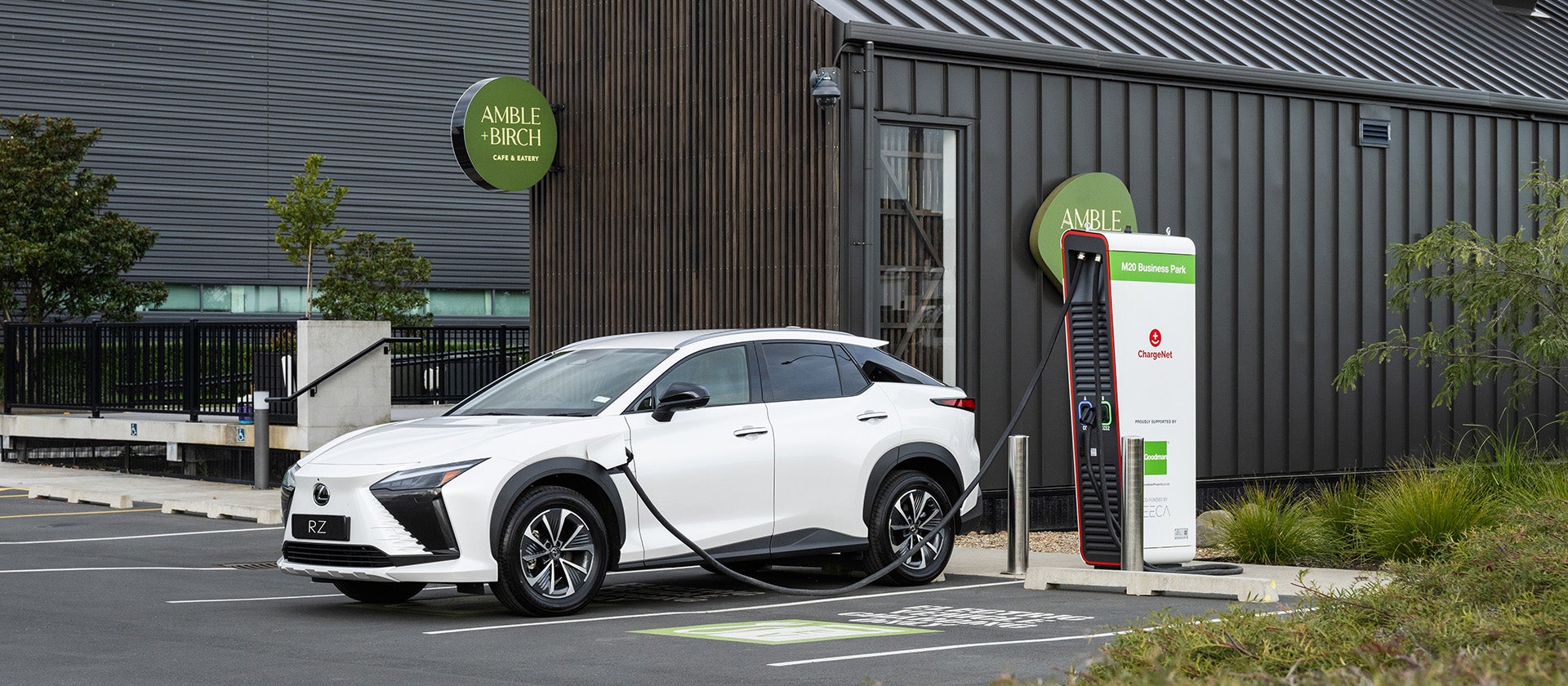
Electric vehicle charging access is one of the biggest considerations for current and future Lexus EV owners. With Tesla’s Supercharger Network becoming widely available to other brands, many drivers want to know exactly how Lexus fits into this shift. Here’s what Lexus owners need to know about charging compatibility, access, and what it means for everyday driving. more Can Lexus Charge at Tesla Superchargers? Yes, Lexus vehicles can charge at Tesla Superchargers. If you own a 2023-2025 Lexus RZ, you'll get a free NACS adapter from your dealer that lets you access the Tesla Supercharger Network. For 2026 and newer Lexus battery electric vehicles, you can plug directly into Superchargers with built-in NACS charging ports. This compatibility opens over 25,000 NACS plugs across North America to Lexus EV drivers, dramatically expanding your charging options. Combined with existing infrastructure, you'll have access to over 76,000 AC and DC stations throughout the United States. At Lexus Stevens Creek in San Jose, we help Bay Area drivers navigate this transition with adapter pickups, charging demonstrations, and hands-on guidance for Tesla Supercharger Network access. Understanding NACS: The New EV Charging Standard The North American Charging Standard (NACS) represents a major shift in how electric vehicles charge across the continent. What started as Tesla's proprietary connector has transformed into an industry-wide standard, now formally designated as SAE J3400. This change happened when automakers recognized the practical advantages of Tesla's compact connector design and the strategic value of accessing the most extensive fast-charging network in North America. What Is NACS and How Did It Become the Standard? NACS combines simplicity with capability. The connector handles both AC charging for home use and high-speed DC fast charging at public stations through a single, streamlined port roughly half the size of the previous CCS1 standard. When the Society of Automotive Engineers officially designated it as SAE J3400, NACS shifted from Tesla-exclusive technology to a recognized industry standard. Lexus, along with parent company Toyota, committed to NACS integration for vehicles starting in 2026. This decision gives you the most comprehensive charging access possible. The standardization means future electric vehicle owners won't need to worry about which stations work with their cars. Why Tesla Opened Its Supercharger Network Tesla's decision to open its Supercharger Network to other manufacturers came from both practical and strategic considerations. By welcoming compatible cars, the company increased utilization of its substantial infrastructure investment while supporting broader EV adoption. For luxury EV buyers, this development eliminates significant concerns about charging availability during road trips or daily driving. As a Lexus driver, the practical benefit is clear: you're no longer limited to finding CCS-compatible stations when traveling through areas where Tesla Superchargers dominate the fast-charging landscape. Which Lexus Models Can Access Tesla Superchargers Not all Lexus electric vehicles access Tesla Superchargers the same way. The method depends on your model year and whether your vehicle came with native NACS support or requires an adapter. Model Year Charging Port Supercharger Access Method Additional Notes 2023-2025 Lexus RZ CCS1 Free adapter via dealer Only Lexus-supplied adapters permitted; warranty-covered 2026+ Lexus RZ and BEVs Native NACS (SAE J3400) Direct plug with Plug & Charge Includes adapters for CCS/J1772 backward compatibility Native NACS Support in 2026 and Newer Models Starting with 2026 models, all new Lexus battery electric vehicles will feature NACS ports built directly into the vehicle. This native integration means you'll simply pull up to any compatible Tesla Supercharger, plug in, and start charging without adapters. The 2026 Lexus RZ includes an upgraded 11 kW onboard AC charger, improving home charging speeds compared to earlier models. These newer models support Plug & Charge technology, which handles authentication and payment automatically through the Lexus app after one-time setup. You won't need to download the Tesla app or manage separate accounts. Your 2026 or newer Lexus will include adapters for backward compatibility with older CCS and J1772 charging stations, ensuring you can access virtually any public charger regardless of connector type. Adapter-Based Access for 2023-2025 Lexus RZ If you purchased a 2023-2025 Lexus RZ, your vehicle came with a CCS1 charging port. To access Tesla Superchargers, you'll need a NACS adapter that converts your CCS1 port to work with NACS plugs. Lexus provides one free adapter per vehicle, distributed through dealerships like ours at Lexus Stevens Creek. This adapter is specifically engineered for the RZ's charging system and features a 7.6 kW onboard AC charger capacity. Using unauthorized third-party adapters may void your warranty and impact vehicle performance and safety. We strongly recommend using only the Lexus Genuine Accessories adapter to maintain full warranty coverage and optimal charging performance. How to Get a NACS Adapter for Your Lexus Lexus RZ owners receive a letter directing them to contact their local Lexus dealer for adapter pickup. We verify your vehicle identification number, confirm eligibility, and provide your free Lexus NACS adapter at no cost. At Lexus Stevens Creek, we serve San Jose, Santa Clara, Fremont, Cupertino, and Hayward communities with convenient adapter pickup and personalized demonstrations. When you visit, we'll walk you through the adapter's proper connection technique and show you how to locate compatible Tesla Superchargers using both the Tesla app and third-party charging station finders. We encourage you to schedule time with our EV specialists who can answer specific questions about Lexus RZ charging in the Bay Area. Using Your NACS Adapter: A Step-by-Step Guide For 2023-2025 Lexus RZ Owners (Adapter Method): Download the Tesla app and create an account before your first charging session Locate a nearby Tesla Supercharger using the app or your vehicle's navigation system Pull into an available charging stall, ensuring the cable reaches your charge port Connect the NACS adapter to your vehicle's CCS1 port first, then attach the Supercharger cable to the adapter Open the Tesla app and initiate the charging session by selecting the stall number Monitor charging progress through the Tesla app or your vehicle's display When finished, stop the session in the app before disconnecting the cable and adapter For 2026+ Lexus Owners (Direct Plug & Charge): Complete one-time Plug & Charge enrollment through the Lexus app Drive to any compatible Tesla Supercharger (look for V3 or V4 stations with black-ringed NACS handles) Plug the Supercharger cable directly into your vehicle's native NACS port Charging begins automatically with authentication handled through Plug & Charge Monitor progress through your Lexus app or vehicle display Unplug when complete (payment processes automatically through your enrolled account) The key difference is that adapter users must manually start sessions through the Tesla app, while 2026+ owners enjoy seamless connectivity through the Lexus app after initial setup. Charging Speeds, Costs, and Performance Expectations When using a Tesla Supercharger with your Lexus RZ, expect to charge from 10% to 80% battery capacity in approximately 30 minutes when connected to a station delivering up to 150 kW. Actual charging speeds depend on several factors: your battery's current charge level, ambient temperature, and the specific Supercharger's maximum output. The RZ charges fastest in the lower battery range and gradually slows as you approach 80%. Supercharging costs vary by location and time of day. Tesla typically charges per kilowatt-hour consumed, with rates displayed on the charging screen before you begin. Some high-traffic locations may include idle fees if you remain connected after charging completes. The RZ's charging curve is optimized for its specific battery chemistry and thermal management system. You'll find the most efficient charging sessions by arriving with a battery level between 10-20% and stopping around 80%, which balances charging speed with battery longevity. Discover Electric Lexus Vehicles at Lexus Stevens Creek We're the #1 volume luxury dealer for new and pre-owned Lexus vehicles in Northern California, serving Bay Area communities since 1989. Our San Jose location offers the largest Lexus inventory in the region, including the electric RZ with comprehensive charging access through Tesla Supercharger compatibility. Whether you're picking up your free NACS adapter or considering the switch to electric luxury, our EV specialists provide hands-on demonstrations and real-world guidance. We'll show you exactly how the adapter works and answer specific questions about charging infrastructure throughout Silicon Valley.We are open Monday through Saturday from 9 AM to 8 PM or Sunday from 10 AM to 7 PM. Stop by or contact Lexus Stevens Creek to test drive our full lineup of electric and hybrid models and experience next-level Lexus innovation.

2024 Lexus RZ

How To Road Trip With a Lexus EV

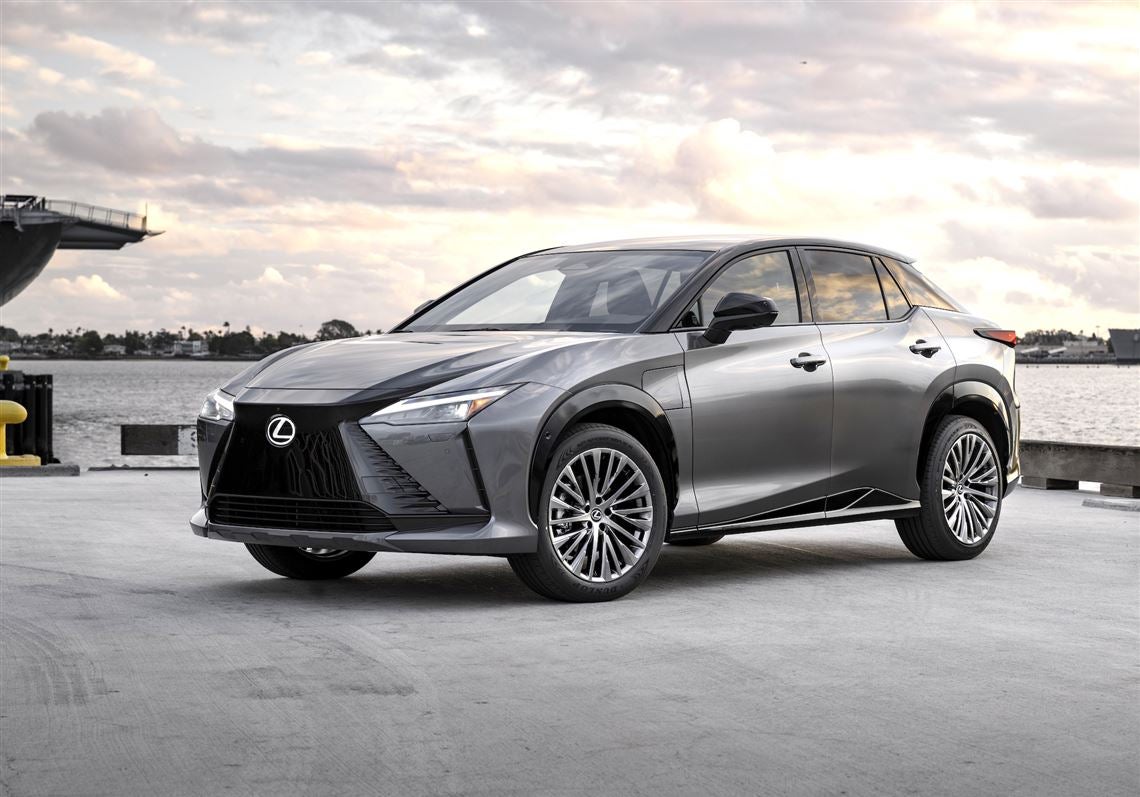
Taking a road trip with an electric vehicle (EV) is no longer a dream but a reality. In fact, EVs are becoming the preferred road trip companion for savvy Bay Area travelers who care about both luxury and the environment. Modern EVs, such as the sophisticated Lexus RZ, make long-distance travel both doable and downright enjoyable, offering whisper-quiet comfort mile after mile. With charging infrastructure expanding and navigation systems getting smarter all the time, planning an electric adventure is now a real possibility. more Preparing for Your EV Road Trip: Essential Tips The 2025 Lexus RZ delivers up to 308 horsepower through its advanced 72.8 kWh lithium-ion battery pack — perfect for those Peninsula commutes and weekend escapes to Napa. The RZ 300e gets an EPA-estimated range of 266 miles, while the sportier RZ 450e has an all-electric range of 196 miles, giving you enough power to reach Carmel and back with a few stops. With DC fast charging, your battery can hit 80% in just 30 minutes, while Level 2 home charging takes 9.5 hours for a full charge. Route planning becomes easier with the right apps. A Better Routeplanner calculates your exact charging needs using vehicle-specific information and weather data, while PlugShare and ChargePoint help you find, and even pay for, EV charging. When it comes to finding hotels with charging facilities, major platforms such as Expedia and Hotels.com have filters to help you find compatible accommodation. Just keep in mind that not all charging stations are reliable, so always have a backup plan, especially in remote coastal areas or mountain locations where options may be thin. On the Road: Maximizing Efficiency and Enjoyment Most EVs hit peak efficiency at 50 to 60 mph —perfect for those scenic highway drives. Dropping your speed by just 10 mph can increase energy efficiency by up to 14%, translating to real miles when you're pushing toward Mendocino or beyond. Using gentle throttle inputs and regenerative braking to maximize energy recovery can also help to extend your EV's range. Climate control is another factor, capable of reducing efficiency by 10% to 30% depending on how you use it. Cabin heating can draw as much as 5,000 watts compared to just 75 watts for heated seats. For better range, switch to driver-only climate zones and use heated seats only on long drives. You can also preheat the cabin while your EV's still plugged in at home to save range once you hit the road. Good charging etiquette keeps the EV community happy. Stay with your car during fast charging sessions if possible, or at least leave contact information if you must step away — other drivers appreciate knowing when you'll return. Don't charge to 100% unless absolutely necessary for your next leg, and make sure to move your car immediately when charging is complete — don't be that person hogging the stall. Use your charging breaks wisely — grab a coffee, browse nearby shops, stretch your legs, or catch up on a good book — so you're feeling refreshed once it's time to get back on the road. What To Do if Something Goes Wrong Recent reports suggest that one in five charging sessions run into problems, but that means four out of five work perfectly fine. Almost a quarter of all issues involve payment system glitches, so keep multiple charging apps installed and backup payment methods ready — such as Apple Pay, Google Pay, and physical cards — to try if your first attempt fails. EV roadside assistance has improved dramatically over recent years, offering real solutions for stranded drivers. The AAA now provides mobile charging services in select cities, and manufacturers typically provide solid warranty support. Surprisingly, most EV breakdowns don't actually involve dead batteries, with flat tires remaining the most common issue Smart road trip preparation means packing an emergency kit specifically for your EV. Include a heavy-duty 100-foot extension cord for Level 1 charging access from distant outlets, plus essential adapters. Don't forget standard emergency supplies, too — a comprehensive first aid kit, extra water, nonperishable snacks, warm blankets, a powerful flashlight, and reflective warning triangles are all vital. If you're travelling in remote coastal or mountain locations where cell service is spotty, consider adding communication backups such as a Starlink Mini, CB radio, or satellite communicator. Experience the Future of Road Trips With Lexus EVs Lexus EVs such as the RZ are completely transforming the road trip experience, combining premium comfort with zero-emissions travel. As charging infrastructure expands nationwide and DC fast chargers become more accessible, EV road trips are turning from dreams into reality. Ready to start your own electric adventure and experience luxury travel that's both sustainable and sophisticated? Contact us at Lexus Stevens Creek to discover the RZ's impressive capabilities and receive expert route planning assistance from our knowledgeable EV specialists.

Wiper blades in rain

Best Wiper Blades for Your Lexus

If you've been asking yourself, “What wiper blades go on my Lexus?”, you're not alone. There are more wiper blades available today than ever before, from basic models to fancy high-tech versions, but the right wiper blade replacement can make a real difference to your driving experience. In this article, our team at Lexus of Stevens Creek explains your options so you can keep your windshield clear and see the road ahead. more Types of Wiper Blades Suitable for Lexus Vehicles Each type of wiper has pros and cons based on your driving habits and local weather. Frameless or "boneless" wipers are particularly popular, with their sleek looks, quiet operation, and superior performance in various weather conditions. Your Lexus needs quality wipers, and there are three main options: conventional, beam, and hybrid. Conventional Wiper Blades Conventional wipers have a metal frame with pressure points that hold the rubber blade against your windshield. They're affordable, readily available, and they handle normal rain well. Their main drawback is snow and ice clinging to the exposed metal frames in winter, but if you own an older Lexus model, you may prefer them for their simplicity. Rain-X Expert Fit conventional wipers match Lexus’ original equipment, making them ideal if you want to maintain factory specifications. Beam Wiper Blades Beam wipers offer a more modern approach. They use a curved piece of spring steel with the rubber blade directly attached so that it maintains better contact with the windshield, perfect for aerodynamic Lexus models with curved glass. Bosch Icon beam blades use steel frame tension and quality rubber for even pressure. They make a difference in downpours, and snow doesn't stick to them since there's no framework to trap it. They cost more up front, but you may find the better visibility worth it, especially in Bay Area fog. Hybrid Wiper Blades Hybrid wipers combine the best features from both conventional and beam styles. They keep some structure from traditional designs but add improvements for better contact and performance. Michelin Stealth Ultras use a metal frame like conventional wipers but add pressure points similar to beam-style blades. Hybrid blades are a great choice for your Lexus. They typically outperform basic conventional wipers in bad weather without the premium price of some beam blades. Their familiar design makes them easy to install yourself while still giving you better visibility than the basic options. Benefits of Using Genuine Lexus Wiper Blades Aftermarket wipers might tempt you with lower prices, but genuine Lexus wiper blades offer distinct advantages. They're custom-made for your specific model, guaranteeing a perfect fit and clean action. Lexus engineers created these wipers to match your windshield's exact curve, using technologies such as SMARTFLEX that remove water more effectively. You'll notice the difference when driving in San Jose's occasional downpours. Genuine Lexus blades clear water more completely and run quieter, keeping your cabin peaceful. Many come with 12-month warranty coverage, too, giving you extra protection for your purchase. They might cost a bit more initially, but their better fit and longer life span often make them the smarter financial choice in the long run. Signs Your Lexus Needs New Wiper Blades It's pretty easy to tell when your wiper blades need replacing. Listen for squeaking as they move across the glass, watch for blades that skip, jump, or leave annoying streaks behind, and note physical problems such as loose rubber ends or visible cracks. Most wiper blades need replacing yearly, although you might need more frequent changes due to the Bay Area's mix of dry, dusty summers and rainy seasons. Quick monthly inspections will help catch problems early, keeping your visibility perfect throughout the year. How To Replace Wiper Blades on Your Lexus Swapping the wipers on your Lexus isn't complicated. First, find the right size for your model by checking your owner's manual or looking online for your specific Lexus. Once you've got new wiper blades, follow these simple steps: Lift the wiper arm away from your windshield. Look for a small tab where the blade connects to the arm, press it, and slide the old blade off. Slide the new one on in the opposite direction until you hear it click into place. We recommend putting a soft towel on the windshield before lowering the arm back down, as it'll prevent any accidental glass chips if the arm slips. Test your new wipers after installation to make sure they press evenly against the glass. If you're not confident replacing your wipers yourself, contact our service center or ask us to take care of it during your next oil change. Maintaining Your Lexus Wiper Blades Caring for your wipers can double their life span, saving you money while keeping your view crystal clear. When snow falls, lift your wipers off the glass so they don't freeze and stick — this saves the rubber from damage. Regularly splash some washer fluid on them or wipe them down with a damp cloth to wash away the grit and road debris that wears them down. You should also try to park in shade when possible, as direct sunlight breaks down rubber fast. Additional Accessories for Improving Visibility You can enhance your visibility further with windshield water repellent treatments and specialty wiper blades for extreme weather. These add-ons work with your wipers to keep your view clear in challenging conditions. Windshield Water Repellent Treatments Water-repelling treatments work wonders for fog and rain, creating a surface where water beads up and rolls away, sometimes without needing wipers. Some wipers, such as Rain-X Latitudes, apply this coating while they sweep your windshield. All-Weather and Winter Wiper Blades All-weather or winter wipers are specialized blades that handle harsh conditions far better than standard wipers. Premium options from TRICO or Rain-X feature wind spoilers and special steel frames that keep in contact with your windshield even in harsh weather. Winter-specific wipers use rubber that stays flexible in freezing temperatures and designs that prevent snow buildup. For winter driving, always pair them with antifreeze windshield fluid and keep those fluid levels topped up. Ensure Clear Vision for Your Lexus Whether you go with conventional, beam, or hybrid blades, quality matters most. Find wipers that fit your specific model, check them regularly, and replace them at the first signs of wear. If you need help finding the perfect new wiper blades for your Lexus, our team at Lexus Stevens Creek can recommend, install, and help maintain them for you. Wipers may not be glamorous, but they're essential for enjoying your luxury car in any weather San Jose throws your way. Contact us today and let us help you see the road ahead more clearly.

San Jose Pho

What Food is San Jose Known For?

San Jose, CA, is a vibrant city known for its rich cultural diversity, innovative spirit, and—perhaps most importantly—its incredible food scene. Whether you’re a visitor exploring Silicon Valley or a local looking for your next meal, San Jose’s culinary landscape has something special for everyone. With influences from Mexican, Vietnamese, and farm-to-table California cuisine, the city boasts an impressive array of must-try dishes. From savory tacos to indulgent garlic fries, let’s take a delicious journey through the foods San Jose is famous for. more Vietnamese Pho: A Warm, Flavorful Hug in a Bowl With one of the largest Vietnamese populations in the U.S., it’s no surprise that San Jose is home to some of the best pho you’ll ever have. This fragrant noodle soup, typically made with slow-simmered beef or chicken broth, rice noodles, and fresh herbs, is the ultimate comfort food. Whether you go for a traditional beef pho with rare steak and meatballs or a lighter chicken version, every bowl is packed with deep, aromatic flavors. Local favorites like Pho Kim Long and Pho Y #1 serve up steaming bowls that will warm your soul. Tacos: A Bite of Authentic Mexican Flavor San Jose’s rich Mexican heritage shines through in its taco scene. From street-style taquerias to upscale Mexican restaurants, you’ll find some of the best tacos outside of Mexico right here. Carnitas, al pastor, carne asada—each taco is a little handheld masterpiece. La Victoria Taqueria, famous for its legendary orange sauce, is a must-visit, as well as Tacos El Compa for their perfectly marinated meats and fresh tortillas. Whether you prefer soft corn tortillas or crispy shells, there’s a taco waiting for you in San Jose. Garlic Fries: The Bay Area’s Signature Snack While garlic fries might be associated with the San Francisco Bay Area as a whole, San Jose has truly perfected this crispy, garlicky delight. These fries, tossed generously with fresh garlic and parsley, are a must-try for anyone visiting the city. You’ll find them at SAP Center during a Sharks game or at local spots like SmokeEaters and The Garlicky Pig. Crunchy, flavorful, and a little messy, garlic fries are the ultimate guilty pleasure. Banh Mi: A Perfect Blend of French and Vietnamese Flavors San Jose’s love for Vietnamese cuisine doesn’t stop at pho. The city is also known for its amazing banh mi, a sandwich that blends French baguettes with flavorful Vietnamese fillings. Stuffed with grilled pork, pate, pickled vegetables, and fresh cilantro, this sandwich is the perfect mix of crunchy, savory, and slightly sweet. Head to Lee’s Sandwiches or Duc Huong for a truly authentic banh mi experience. If you’re on the go, this is the perfect meal to grab and explore San Jose’s beautiful parks and neighborhoods. Sourdough Bread: A San Jose Staple with a Twist California is known for its sourdough, and San Jose is no exception. While San Francisco may get all the credit, the South Bay has its own fantastic bakeries serving up fresh, tangy loaves. Whether you enjoy it as part of a hearty sandwich, a side to a warm bowl of clam chowder, or simply toasted with butter, sourdough bread in San Jose is a must-try. Check out The Midwife and The Baker or Manresa Bread for an artisan approach to this classic favorite. Savor San Jose’s Best Bites San Jose’s food scene is a reflection of its diverse culture, offering visitors a taste of something truly special. From the comforting warmth of pho to the irresistible crunch of garlic fries, every bite tells a story of tradition, creativity, and passion for great food. Next time you find yourself in San Jose, make sure to explore these local favorites—you won’t regret it! And if you’re cruising around town in search of the best eats, consider making your trip even smoother with a visit to Lexus Stevens Creek, where luxury and performance meet for an unbeatable driving experience.

Lexus Brake Service

How Long Do Lexus Brakes Last? Life Span and Factors Explained

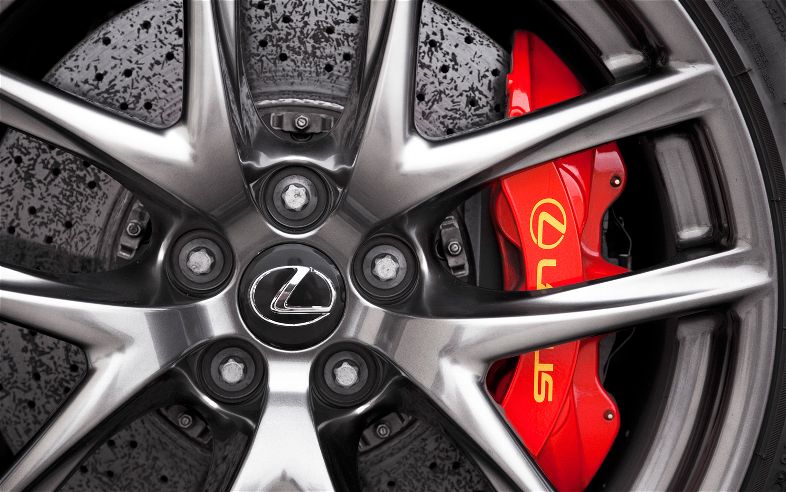
Lexus brake pads typically last between 30,000 and 70,000 miles, surpassing the industry average of 25,000 to 65,000 miles. This extended life span stems from Lexus's commitment to using high-quality materials and advanced braking technology in their vehicles. However, the actual life span of your Lexus brakes can vary significantly based on your driving habits, environment, and maintenance practices. Understanding how long your Lexus brakes will last allows you to plan for maintenance and replacement costs while keeping your vehicle safe on the road. Regular brake maintenance not only extends the life of your brake components but also helps your vehicle deliver optimal performance and safety. more Factors Affecting Lexus Brake Life Span Several key factors influence how long your Lexus brake pads will last. Driving Habits City driving with frequent stops typically causes faster brake wear than highway driving. This increased wear occurs because urban environments require more frequent brake usage at traffic lights and stop signs. Research shows that drivers who primarily drive in city conditions may need to replace their brake pads more frequently than those who mainly drive on highways. Your driving style significantly impacts brake longevity. Braking aggressively and following too close to the vehicle in front force you to brake harder and more frequently, leading to accelerated wear. Front brake pads often wear faster than rear pads due to the natural weight transfer that occurs during braking, with front brakes handling up to 70% of the stopping power. Situational Factors Environmental and situational factors also play a major role in brake pad life. Driving in hilly areas or mountainous terrain requires more frequent braking, particularly on long downhill stretches. Similarly, heavy traffic conditions lead to more brake usage and faster wear. Vehicle weight, including cargo and passengers, affects braking performance and pad wear — heavier loads require more braking force. Weather Conditions Weather and storage conditions impact brake component longevity. Moisture exposure can accelerate wear and cause rust formation on brake components. Keeping your vehicle in a covered area helps protect your brake system from environmental damage. Ultimately, the answer to "How long do brakes last?" may vary from one driver to another. Experts at a Lexus service center can help you determine your ideal brake pad replacement interval. Signs of Worn Brake Pads Recognizing the signs of worn brake pads helps prevent costly repairs and maintains your safety. Some of the signs of failing brakes include: Squealing noise: A common sign is a high-pitched squealing or screeching noise when you apply the brakes. This sound comes from a built-in wear indicator that contacts the rotors when brake pads need replacement. Grinding noise: Hearing grinding sounds while braking indicates brake pads have worn completely through the pad material. This metal-on-metal contact can damage your brake rotors, leading to more expensive repairs. Other warning signs: Other signs include brake pedal vibration or pulsation, increased stopping distance, a soft or spongy brake pedal feel, the vehicle pulling to one side during braking, burning odors while driving, and visible wear when looking through the wheel spokes. Lexus Brake Maintenance Tips You should schedule brake inspections during every service visit. Professional technicians can measure pad thickness and inspect other brake components for wear. By catching potential issues early, regular maintenance significantly extends the life of your Lexus braking system. Developing good driving habits can also reduce brake wear. Try to maintain a safe following distance, anticipate stops to avoid sudden braking, remove unnecessary weight from your vehicle, coast to slow down when possible, and avoid riding the brake pedal. Using high-quality replacement brakes can help maintain your Lexus's performance standards. Original equipment manufacturer Lexus brake components will provide optimal performance and durability. When To Replace Lexus Brake Pads Most Lexus owners replace their brake pads around the 40,000-mile mark to maintain safety and performance. The cost for brake pad replacement ranges from $150 to $300 per axle, including parts and labor. This varies based on your specific Lexus model and the type of brake pads selected. Luxury car brake pads typically cost between $150 and $250 per set, while standard brake pads range from $75 to $120. While these prices may seem high, using quality parts prevents more expensive repairs and maintains your vehicle's safety. Don't wait until you experience problems to replace your brake pads. Regular inspections help identify when you need to replace them before damage occurs to other components. Lexus Brake Technology and Longevity Lexus vehicles feature advanced brake technologies that improve safety and extend component life. An anti-lock brake system comes standard on all Lexus vehicles, preventing the wheels from locking up during emergency braking. Brake assistance technology compensates for insufficient emergency braking by automatically applying additional brake force when needed. Moreover, Lexus models come with electronic brake force distribution, which adjusts braking pressure between wheels for optimal grip and stability in various driving conditions. Additional safety features include electronically controlled brakes and a pre-collision safety system. If you own an electrified Lexus model, your vehicle may have a regenerative braking system. This system slows down brake pad wear by reducing reliance on traditional friction brakes. All these systems work together to provide optimal braking performance while preventing excessive wear. Lexus vehicles consistently receive high safety ratings, with the UX, IS, and ES achieving the maximum five-star safety rating in crash tests with the National Highway Traffic Safety Administration. Maximize Your Lexus Brake Life at Lexus Stevens Creek Regular maintenance and inspections help identify potential issues before they become serious problems. For professional brake service and maintenance in San Jose, California, visit Lexus Stevens Creek. The certified technicians at our service center understand the specific needs of your Lexus model and can help maintain its brake performance and safety standards. Contact us today to schedule your service appointment.

Lexus Battery Service

How Long Does a Lexus Battery Last?

When it comes to reliability and advanced technology, Lexus stands at the forefront of automotive excellence. Your Lexus battery plays a crucial role in starting your car and powering its electrical systems. Knowing how long a Lexus battery lasts and how to maintain it will ensure you enjoy a smooth ride for years to come. more Average Life Span of a Lexus Battery On average, a lead-acid Lexus car battery lasts about three to five years, while the nickel–metal hydride batteries used in Lexus hybrids last an average of eight to 10 years or 100,000 to 150,000 miles. The life span varies significantly between traditional and hybrid Lexus vehicles. Traditional batteries may struggle with the demands of modern technology, while hybrid batteries, designed for efficiency, often withstand the test of time. As a Lexus owner, knowing the factors that influence your battery's life span is important. Climate and Temperature Effects Climate plays a significant role in battery longevity. Extreme heat can accelerate battery degradation, while bitter cold reduces efficiency. If you live in a hot area, high temperatures can evaporate the battery's electrolytes, leading to failure. Conversely, colder climates can cause batteries to work harder, draining power faster. Being aware of your local conditions can help you anticipate battery issues. Driving Habits and Vehicle Usage How you drive also affects your battery's life span. Frequent, short trips don't allow your battery to fully recharge, leading to quicker deterioration. If you often leave your vehicle idle for extended periods, it can drain your battery. Regular, long drives help maintain a healthy battery by ensuring a full recharge. Quality of Maintenance and Care Regular maintenance can significantly extend your Lexus’ battery life. Keeping the battery clean and ensuring that connections are tight can prevent corrosion and other issues. Neglecting maintenance might lead to premature failure, so staying proactive is key. Signs That Your Lexus Battery Needs Replacement A car battery is essential for the smooth operation of your vehicle, and knowing when it needs replacement can save you from unexpected breakdowns. Here are five signs that indicate your Lexus battery might need to be replaced. Dim Headlights If you notice that your headlights are not as bright as they used to be, it could be a sign that your battery is losing its charge. Dim headlights indicate that the battery is struggling to power all the electrical components of your car, which can compromise your safety, especially when driving at night. Electrical Issues Experiencing problems with your car's electrical systems, such as malfunctioning power windows, radio, or dashboard lights, can indicate a failing battery. These issues occur because the battery isn't providing a consistent power supply to these components, leading to erratic performance. Slow Engine Crank A slow engine crank is one of the most common signs of a dying battery. If your engine takes longer to start or makes a sluggish noise when you turn the key, your battery isn't providing enough power to start the engine efficiently. This can leave you stranded if the battery fails. Battery Warning Light Most modern cars, including Lexus models, have a battery warning light on the dashboard. If this light comes on, it indicates an issue with the battery or the charging system. Ignoring this warning can lead to more severe problems, so checking your battery as soon as possible is important. Corroded Battery Terminals Corrosion on the battery terminals can interfere with the battery's ability to charge and discharge properly. If you see a white, ashy substance on the terminals, the battery is leaking acid. This can lead to poor performance and, eventually, battery failure. Cleaning the terminals might help temporarily, but it's often a sign that the battery needs to be replaced. Maintaining Your Lexus Battery for Optimal Performance Regular maintenance is essential to maximize your Lexus battery's life span. Here are some valuable tips to keep your battery in top shape: Check your battery regularly: Inspect your battery at least twice a year. Look for signs of corrosion, leaks, or loose connections. A clean battery performs much better than a dirty one. Keep it charged: If you don't drive your Lexus often, consider using a battery maintainer. This device keeps the battery charged and ready to go, ensuring you don't run into issues when starting your car. Avoid leaving accessories on: Always turn off lights and accessories when you park your car. Leaving them on drains your battery and can lead to a dead battery. Watch for temperature changes: If you live in an area with extreme temperatures, consider investing in a battery warmer for cold months. This can help maintain optimal battery temperature and performance. Understanding Lexus' warranty on batteries: Familiarize yourself with the warranty on your Lexus battery. Most batteries come with a limited warranty, which can cover replacement costs if necessary. Best Practices for Replacing a Lexus Battery When the time comes for a Lexus battery replacement, it's vital to do it right. First, choose a battery that meets Lexus’ specifications. You'll want a battery that fits your model and has the right power ratings. Checking your owner's manual or consulting with our Lexus Stevens Creek team can help you make the right choice. Cost considerations also play a role in battery replacement. Lexus battery costs can vary widely based on your model and the type of battery you need. Expect to spend anywhere from $100 to $300 for traditional batteries and $2,000 to $4,000 for hybrid batteries. While it may seem expensive, investing in a quality battery ensures reliability and performance. For battery replacement, consider visiting us at Lexus Stevens Creek in San Jose, California. Our expert technicians can help you choose and install the right battery properly. We provide excellent service and ensure your Lexus runs like new. Keep Your Lexus Running Smoothly Understanding how long your Lexus battery lasts and how to maintain it is crucial for enjoying your vehicle to the fullest. If you notice any signs of battery trouble or it's time to replace your Lexus battery, reach out to us at Lexus Stevens Creek. Our team is here to ensure your Lexus stays in peak condition. Don't wait for a breakdown –– let us help keep your ride smooth and reliable. Man in Blue Coveralls Checking on a Vehicle by Gustavo Fring is licensed with Pexels License

Plug in Hybrid vehicle

Hybrid vs. Plug-In Hybrid: Key Differences Explained

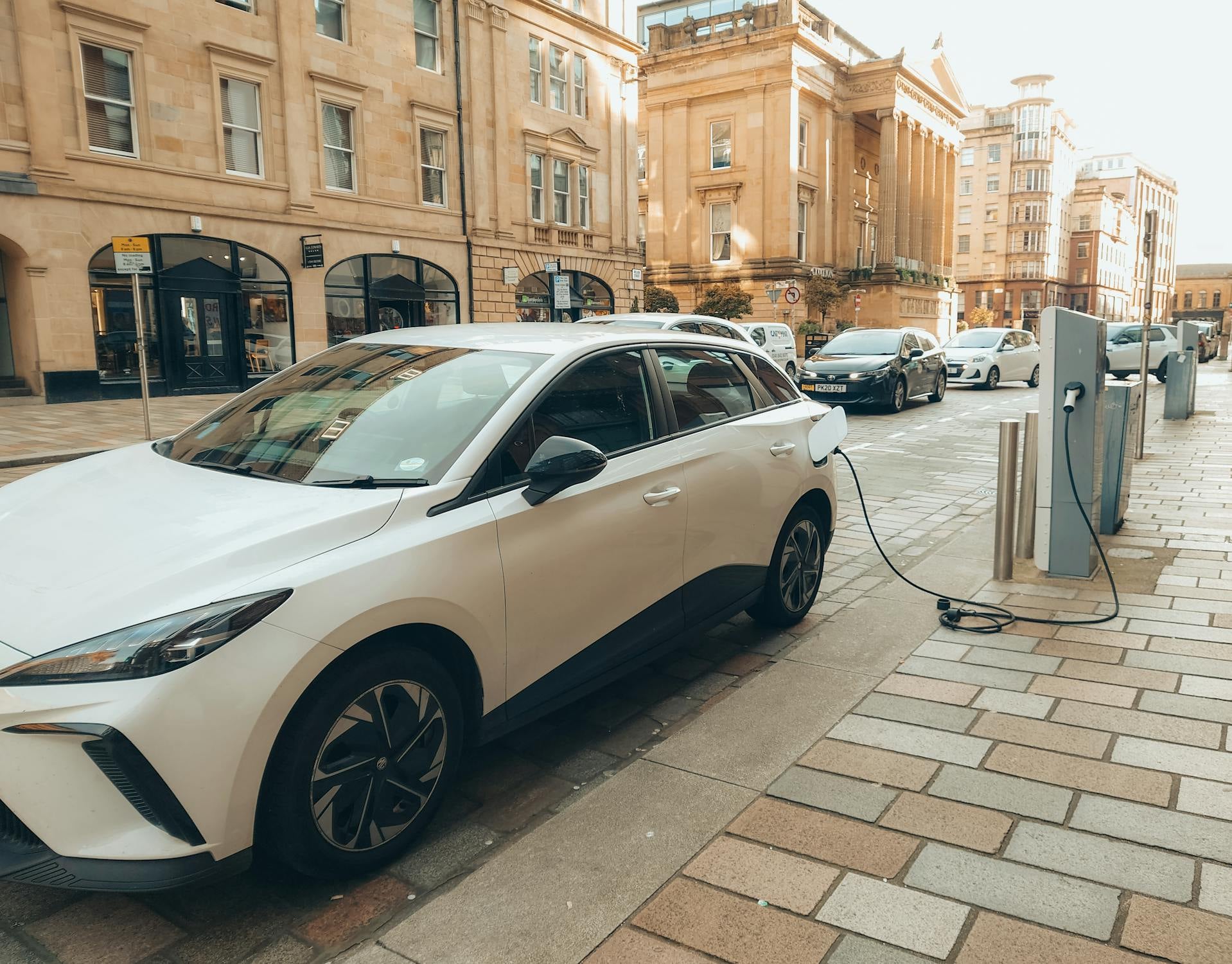
Electric vehicles have been slowly gaining popularity in the modern automotive industry due to the growing emphasis on sustainability in recent years. Among these, hybrid and plug-in hybrid vehicles have also been gaining popularity due to a balance of efficiency, convenience, and affordability. In 2023, the combined sales of hybrid, plug-in hybrid, and battery electric vehicles in the US rose to 16.3% of total new light-duty vehicle sales. Plug-in hybrid vehicles are getting more attention from eco-conscious drivers wanting to transition to greener driving without compromising on flexibility. Their ability to combine electric power with traditional gasoline engines makes them versatile, catering to diverse driving habits. Plug-in hybrids generally cost less to purchase than standard electric vehicles. They're also less expensive to fuel than gas or hybrid vehicles, making them the perfect choice for drivers seeking a more sustainable option at a lower price. If you're considering upgrading to a more fuel-efficient vehicle, this guide will walk you through the differences between hybrid and plug-in hybrid vehicles, helping you determine which option best suits your needs. more Key Differences Between Hybrid and Plug-In Hybrid Vehicles Here's a quick introduction to hybrid and plug-in vehicles and their main differences. What Is a Hybrid Vehicle? A hybrid electric vehicle combines a gasoline engine with an electric motor to improve fuel efficiency and reduce emissions. Unlike fully electric vehicles, hybrids don't rely on external charging. Instead, they recharge their batteries through regenerative braking and the internal combustion engine. Here are some key features of standard hybrids: Seamless operation: The vehicle alternates between the electric motor and gasoline engine based on speed and driving conditions. No charging: Hybrids are ideal for drivers who want enhanced efficiency without needing to charge their cars. Exceptional fuel economy: Hybrids typically achieve good gas mileage, making them a cost-effective choice for urban and suburban drivers. What Is a Plug-In Hybrid Vehicle? A plug-in hybrid vehicle operates similarly to a hybrid, but it has an additional feature that enables its larger battery to be recharged using an external power source. This allows plug-in hybrids to travel significant distances solely on electric power before switching to the gasoline engine, offering greater fuel savings and a reduced environmental footprint. Their key features are: Electric-only driving: Plug-in hybrids often have a range of 20 to 60 miles on electricity alone, depending on the model. Dual power sources: After the electric range is exhausted, the gasoline engine takes over, eliminating range anxiety. External charging: Plug-in hybrids can be charged at home, work, or public charging stations. They can also charge their batteries through regenerative braking. Core Differences Here are some key differences between a hybrid and plug-in hybrid: Battery size and range: Hybrids have smaller batteries, limiting their electric-only driving capabilities, while plug-in hybrids have larger batteries that allow all-electric commutes at longer distances. Charging needs: Hybrids don't require external charging, while plug-in hybrids require a power source for full electric functionality. Fuel efficiency: Hybrids offer excellent fuel economy, especially in city driving, while plug-in hybrids provide better fuel savings when driven mostly in electric mode. Pros and Cons of Hybrid vs. Plug-In Hybrid Vehicles We break down the pros and cons of hybrid vs. plug-in hybrids. Standard Hybrids Here are the pros of standard hybrids: No charging required: Hybrids rely on self-sustaining systems, making them convenient for drivers without access to charging infrastructure. Lower upfront cost: Compared to plug-in hybrids, standard hybrids are generally more affordable. Great for urban driving: Hybrids thrive in stop-and-go traffic, where regenerative braking boosts efficiency. While standard hybrids are lower in price, some limitations are: Limited electric-only driving: Hybrids rely more on their gasoline engines, offering minimal electric driving. Less future-proof: As the world moves toward full electrification, hybrids might not offer the same long-term advantages as plug-in hybrids. Plug-In Hybrids Here are some of the pros of plug-in hybrids: Extended electric range: Plug-in hybrids shine in short commutes and urban driving, potentially eliminating the need for gas. Lower emissions: By using more electric power, plug-in hybrids significantly reduce their carbon footprint. If a plug-in hybrid isn't charged, its fuel economy will still be about the same as a similarly sized hybrid. Flexibility for long trips: With a gasoline engine as backup, plug-in hybrids provide peace of mind for extended travel. While they have better fuel efficiency, plug-in hybrids also have the following limitations: Charging required: Plug-in hybrids require access to a charging station to maximize their benefits, which may not suit every lifestyle. Higher initial cost: Their advanced technology and larger battery can make plug-in hybrids more expensive upfront. However, they do receive generous federal tax credits, which help to reduce the costs. Heavier vehicle weight: The larger battery adds weight, which can slightly impact overall performance. Choose What's Best for Your Needs When deciding between a hybrid and a plug-in hybrid, it's helpful to consider your driving habits and access to charging infrastructure. Here's a quick summary to help guide your choice. Choose a hybrid if: You want a low-maintenance and cost-effective vehicle. You don't have regular access to charging stations. Your driving includes frequent urban commutes with stop-and-go traffic. Choose a plug-in hybrid if: You have access to home or workplace charging. You want to maximize your electric driving while keeping the option of gasoline for longer trips. You're looking for a future-proof vehicle that aligns with the shift toward electrification. Urban Electric Car Charging Station in Glasgow by David Gallie is licensed with Pexels license

Lexus Oil Change

What Oil Do Lexus Vehicles Use?

Selecting the appropriate lubricant for your Lexus is essential to keeping the engine protected and running optimally. Lexus has meticulously designed its vehicles to perform optimally with specific oil types, ensuring the engine runs at its best and lasts longer. Following the manufacturer's oil recommendations ensures both immediate and long-term benefits. Following these tips, you can avoid substantial repair bills and keep your car's value high over time. more Types of Oil Used in Lexus Vehicles Lexus vehicles demand premium-grade engine lubrication, with synthetic oils, particularly those of the 0W-20 viscosity grade, being the preferred choice for these high-end vehicles. This thin lubricant works exceptionally well in cold morning starts and hot summer drives. Based on their engine designs, some models might need different grades, such as 5W-20 or the super-thin 0W-16. Engineered to meet the exacting requirements of high-performance Lexus engines, Toyota Genuine Motor Oil stands out as a superior choice. This option, as well as other synthetic oils, benefit your Lexus engine in the following ways: Better protection against engine wear. Improved gas mileage. Smaller likelihood of breaking down in high heat. Top-quality synthetic oils maintain consistency in both cold and hot weather, ensuring your engine remains protected and operates smoothly, regardless of whether you're cruising on the highway or navigating city traffic. Choosing the proper lubricant goes beyond maintenance — it keeps your car running well for a long time. Understanding Lexus Oil Change Requirements Lexus has established precise guidelines for oil change intervals to ensure peak engine performance and durability. Most new models using 0W-20 synthetic oil need changes every 10,000 miles or 12 months, whichever comes first. Harsh driving or regular oil might mean more changes — about every 5,000 miles or six months. Lexus emphasizes frequent oil level checks, as this hands-on approach helps identify unusual oil consumption and prevents potential engine damage caused by low oil levels. If you notice your engine is consuming an unusually high amount of oil, this can be an initial warning sign of a problem that you should let one of our professional Lexus service technicians have a look at. The Lexus Oil Change Process At Lexus of Stevens Creek, your Lexus gets premium care during oil changes. Our proficient technicians meticulously assess your vehicle's oil condition before replacing the old lubricant with high-quality synthetic fluid specifically formulated for Lexus engines. Our oil change service also includes a new oil filter to keep your engine clean and safe. Our expert technicians use cutting-edge tools, ensuring each step is done right. Going beyond a simple oil change, our team conducts a comprehensive inspection, examining crucial components such as brakes, tires, and suspension. This comprehensive approach helps us spot potential problems early, keeping your car running efficiently and safely. Our digital diagnostics provide a detailed assessment of your vehicle's condition, giving you a full report. With our careful attention, you'll leave knowing your car is in great shape. Benefits of Regular Oil Changes for Your Lexus Regular oil maintenance plays a crucial role in keeping your Lexus running efficiently. Fresh lubricant enhances engine performance, resulting in better gas mileage and fewer emissions. It reduces friction between moving parts, stopping early wear and making your engine last longer. This reduces the likelihood of you needing engine repairs, which are some of the most expensive car maintenance tasks. If you drive a hybrid model, changing your engine oil on time is essential to keep the hybrid system working well. Plus, regular lubrication services keep the engine clean by removing accumulated dirt and grime. Sticking to the recommended oil change schedule and keeping good records can really enhance your car's resale value. People looking to buy vehicles often like cars that have been well cared for and have a complete service history. This can make your vehicle worth more when you sell it. By getting regular oil changes, you're not just taking care of your engine — you're protecting your car's overall value. Choosing the Right Oil for Your Lexus Model Selecting the optimal engine lubricant for your Lexus is crucial for maintaining its long-term performance and reliability. The owner's manual gives you all the necessary info, put together by people who know vehicles inside and out. Where you live, how you drive, and what engine you have all determine which oil type is best. Most new luxury vehicles work best with synthetic oil, which does a great job of protecting the engine. Different models need different types of oil. Many vehicles use 0W-20 synthetic oil, but some might need 5W-30 or even 0W-16. You can get oil designed for older vehicles if your Lexus has a lot of mileage on the odometer. You might need special high-performance oil to keep the engine in top shape if you have a fast model, such as a model with F Sport or F performance extras. Hybrid cars, with their unique design, may need a specific kind of oil. It's a good idea to check your owner's manual or ask an expert to determine exactly what oil your car needs. Trust Lexus of Stevens Creek for Your Oil Change Needs Selecting an expert facility for your Lexus maintenance is crucial. Our specialized mechanics at Lexus of Stevens Creek in San Jose, California, know your vehicle comprehensively. We exclusively use genuine parts and approved oils to ensure your Lexus's optimal performance. During your visit, we also conduct a free full vehicle check to help identify any maintenance issues. When you book your next maintenance with us, you invest in your Lexus' future. Come see for yourself how much better specialized care can be.

Lexus Lineup

Understanding Lexus Trim Names: A Comprehensive Breakdown

Understanding Lexus trims can help you navigate the luxury car market. Each level offers distinct features that enhance comfort and driving pleasure. The 2024 lineup caters to diverse preferences with tailored configurations that are effectively custom-made luxury automobiles. Read on to learn how Lexus names its trims and explore tips to select the right one for you. more Understanding Lexus's Trim Levels Lexus uses intuitive names for its vehicle configurations, helping you select an option fitting your desires and budget. The Japanese automaker employs a letter-based system to name its trims, where the first letter indicates the model's class and the second its body style. For instance, a Lexus sedan typically ends with an S, such as the ES, while crossovers end with an X, such as the RX. High-performance variants often include an F: the Lexus RC F, for example. Recognizing that luxury vehicle buyers value choice, Lexus offers an extensive range of options. From entry-level trims to top-tier options, such as the F SPORT Handling, Lexus ensures you can find a model that feels tailor-made for San Jose and beyond. New Lexus For Sale in San Jose, CA Decoding Lexus's Model Names Lexus's structured naming convention for its model names reveals valuable insights into each vehicle's class and body style. The first letter denotes vehicle class: L: Luxury. E: Executive. G: Grand. N: Nimble. R: Radical or Radiant. S: Sports. U: Urban. Further letters indicate body style or performance: S: Sedan. X: Crossover or SUV. C: Coupe. F: High-performance. H: Hybrid. For example, the LS stands for Luxury Sedan, and the RX denotes Radiant Crossover. Additional terms, such as Luxury, Ultra Luxury, SPORT Design, and SPORT Handling, provide further detail on each model's features and capabilities. Popular Lexus Models and Their Trims Lexus offers a diverse range of models, each providing unique features and capabilities. The Lexus IS The Lexus IS (Intelligent Sport) is a compact luxury sedan with a sporty performance and elegant design. It's available in several trims, including the: IS 300: The entry-level model with a 2.0-liter turbocharged engine. IS 300 AWD: Adds all-wheel drive for better handling. IS 350: Features a more powerful 3.5-liter V-6 engine. IS 350 F SPORT: Enhances performance and aesthetics with sport-tuned suspension and unique styling elements. The Lexus ES This midsize luxury sedan is celebrated for its comfort and advanced features. Available trims include the: ES 350: The base model with a 3.5-liter V-6 engine. ES 350 Luxury: Adds premium materials and advanced technology. ES 350 Ultra Luxury: The pinnacle of luxury with additional high-end features. ES 300h: A hybrid variant offering impressive fuel efficiency. The Lexus RX A midsize luxury crossover perfect for families, the RX offers a blend of comfort, style, and performance. Its trims include the: RX 350: The base model with a 3.5-liter V-6 engine. RX 350 F SPORT: Adds sporty styling and performance upgrades. RX 350L: A longer version with three rows of seating. RX 450h: A hybrid variant for enhanced fuel efficiency. The Lexus NX With its nimble handling and stylish design, the NX is a compact luxury crossover ideal for urban driving. Available trims are the: NX 300: The base model with a 2.0-liter turbocharged engine. NX 300 F SPORT: Adds sportier aesthetics and performance enhancements. NX 300h: A hybrid model offering better fuel economy. The Lexus GX A rugged and luxurious SUV, the GX is perfect for on-road comfort and off-road adventures. Its trims include the: GX 550: The base model with a twin-turbocharged 3.4-liter V-6 engine. GX 550 Premium: Adds advanced features and luxury touches. GX 550 Luxury: The top trim with additional premium amenities. The Lexus LC A world-class luxury coupe, the LC combines stunning design with exhilarating performance. Its trims include the: LC 500: The base model with a 5.0-liter V-8 engine. LC 500h: A hybrid variant offering power and efficiency. Each Lexus model and trim level caters to different types of buyers, whether they seek luxury, performance, or both. Understanding these options helps you select the Lexus that best suits your lifestyle and preferences. Choosing the Right Trim Selecting the optimal Lexus trim involves balancing your desires with your budget. To make an informed decision, make sure you: Assess your budget: Determine how much you're willing to spend, including additional costs for higher trims. Factor in financing options and the impact of different trims on insurance rates. Identify your driving preferences: If you prioritize sporty handling and powerful engines, look for F SPORT trims, which offer enhanced driving dynamics and aggressive styling. If fuel efficiency and environmental impact are important to you, consider hybrid or plug-in models. Prioritize must-have features: Make a list of features you consider essential. Whether it's a high-quality sound system, heated and ventilated seats, or a panoramic sunroof, knowing your priorities can help narrow down the options. Compare trims side by side: Use comparison tools on the Lexus website or visit a dealership to study different trims. You'll clearly see the differences in features, performance, and pricing. Test-drive various configurations: Test-driving multiple trims provides valuable insights into how each feels and performs. Pay attention to comfort, handling, and the ease of use of various features. Consider long-term value: Higher trims often have better resale value due to their additional features and overall desirability. While the initial cost might be higher, the long-term benefits could outweigh the investment. The Future of Lexus Trim Levels Future Lexus trim naming conventions are likely to emphasize electrification and sustainability. Expect more hybrid and fully electric options across the manufacturer's lineup, catering to a rising consumer preference for eco-friendly luxury vehicles with uncompromised performance. Customization options will likely expand, allowing you to tailor features from various trim levels to suit your preferences. Enhanced connectivity and advanced driver assistance systems will probably become standard across more Lexus models. Explore Your Trim Options With Lexus Stevens Creek For a comprehensive Lexus experience, explore our 2024 models at Lexus Stevens Creek in San Jose. Our knowledgeable team is ready to guide you through every detail, ensuring you find a vehicle that perfectly matches your lifestyle. Contact us today to discover your perfect Lexus.

Lexus GS Meetup

What Happened to the Lexus GS?

The Lexus GS midsize luxury sedan was a core model in the Lexus lineup for nearly three decades. First introduced in 1993, Lexus positioned the GS as a sportier, more dynamic alternative to its front-wheel-drive ES sedan. It competed in the highly competitive midsize luxury segment against rivals such as the BMW 5 Series and Mercedes-Benz E-Class. However, Lexus decided to discontinue the GS after the 2020 model year. This article will explore the reasons behind the GS's discontinuation and examine the models that have effectively replaced it in the Lexus lineup. more The Discontinuation of the Lexus GS In recent years, the automotive industry has seen a significant shift toward SUVs and crossovers, with many buyers prioritizing the practicality, versatility, and higher seating position these vehicles offer. This trend has put pressure on traditional sedan segments, including the midsize luxury category in which the GS competed. Despite its reputation for quality, reliability, and driving dynamics, the GS struggled to maintain strong sales in this changing market landscape. In 2019, Lexus sold just 3,378 units of the GS in the United States, making it the brand's slowest-selling four-door sedan. The declining sales, coupled with the increasing competition from rival luxury brands, made it difficult for Lexus to justify continued GS production. Furthermore, Lexus has been focusing on expanding and updating its SUV and crossover lineup to meet the growing demand in those segments. Models such as the RX, NX, and UX have become increasingly crucial for the brand in terms of sales volume and profitability. Replacing the GS: The Lexus Lineup While the discontinuation of the GS leaves a void in the Lexus sedan lineup, the brand has several models that effectively serve as replacements, catering to different segments of the luxury car market. The Lexus ES is a midsize luxury sedan that has been a mainstay in the brand's lineup since its inception. It offers a comfortable, refined, and well-equipped driving experience, making it a popular choice for buyers seeking a premium sedan. On the other hand, the Lexus IS is a compact luxury sport sedan that appeals to enthusiasts and drivers who prioritize dynamic performance. Finally, the Lexus LS is the brand's flagship luxury sedan, offering the ultimate comfort, technology, and prestige. The Lexus ES: A Comfortable and Refined Option The Lexus ES has long been known for comfort, luxury, and refinement. With the discontinuation of the GS, the ES has become the brand's primary midsize sedan offering. The current generation ES, introduced for the 2019 model year, features a sleek and sophisticated design that showcases Lexus' signature spindle grille and a coupe-like roofline. Inside, the ES offers a spacious and well-appointed cabin with high-quality materials, advanced technology features, and a range of premium amenities. Available features include semi-aniline leather upholstery, a 12.3-inch infotainment display, a Mark Levinson premium audio system, and the Lexus Safety System+ 2.0 suite of driver-assistance technologies. The Lexus ES 350 comes with a 3.5-liter V-6 engine that produces 302 horsepower and 267 lb-ft of torque, while the ES 300h Hybrid pairs a 2.5-liter four-cylinder engine with an electric motor for a combined output of 215 horsepower. Both models provide a smooth and refined driving experience, with a focus on comfort and efficiency. The Lexus IS: A Sportier and More Dynamic Choice The Lexus IS offers a compelling alternative to the ES for drivers who prioritize a more engaging and dynamic driving experience. This compact luxury sport sedan features an athletic and aggressive design, with a bold spindle grille, sharp lines, and a muscular stance. The IS is renowned for its handling prowess, thanks to its well-tuned suspension, responsive steering, and balanced chassis. It offers a level of driving engagement and agility that sets it apart from the more comfort-oriented ES. The IS is available with a choice of two powertrains: a turbocharged 2.0-liter four-cylinder engine with 241 horsepower and 258 lb-ft of torque or a 3.5-liter V-6 that produces 311 horsepower and 280 lb-ft of torque. Lexus offers the IS F Sport variant for those seeking even greater performance. This variant adds sport-tuned suspension, larger brakes, and exclusive styling elements. The range-topping IS 350 F Sport features the abovementioned V-6 engine and can accelerate from zero to 60 mph in just 5.6 seconds. The Lexus LS: The Flagship of Luxury At the pinnacle of the Lexus sedan lineup sits the LS, a full-size luxury sedan that represents the ultimate expression of the brand's commitment to craftsmanship, technology, and refinement. The current generation LS, introduced for the 2018 model year, showcases a bold and distinctive design with a massive spindle grille, sleek lines, and an elegant profile. The LS's interior showcases premium materials and meticulous attention to detail. It features a spacious and opulent cabin, with available features such as 28-way power-adjustable front seats, a 12.3-inch infotainment display, a 23-speaker Mark Levinson audio system, and a rear-seat luxury package that includes massaging seats and a touch-screen control panel. The LS is available with a choice of two powertrains. The LS 500 comes with a twin-turbocharged 3.4-liter V-6 engine that produces 416 horsepower and 442 lb-ft of torque, while the LS 500h hybrid pairs a 3.5-liter V-6 with two electric motors for a combined output of 354 horsepower. Both models offer a smooth, quiet, and effortless driving experience, with advanced features such as air suspension and active noise cancellation. While the discontinuation of the GS marks the end of an era for Lexus, the brand remains committed to offering a range of compelling sedan options for luxury car buyers. In the near future, Lexus will likely focus on expanding its lineup of electrified vehicles, including hybrid and fully electric models. Experience the Lexus Lineup at Lexus of Stevens Creek If you're interested in exploring the current Lexus sedan lineup and experiencing the models that have replaced the discontinued GS, we invite you to visit our Lexus of Stevens Creek dealership. Browse our new vehicle inventory for the latest Lexus sedans, including the ES, IS, and LS, and our extensive selection of SUVs and crossovers. If you're specifically interested in a luxury utility vehicle, check out our new SUV inventory. a car parked in a parking lot by Vitali Adutskevich is licensed with Unsplash License

Contact Us

Fill out this form below and we'll contact you shortly
*Required Fields