Blog / Comparison

Blog

All Comparison New Inventory Local Review Car Tips Lexus News Community Vehicle Showcase Sneak Peek Pre-Owned
2025 acura tlx vs lexus is 350

2025 Acura TLX vs Lexus IS 350

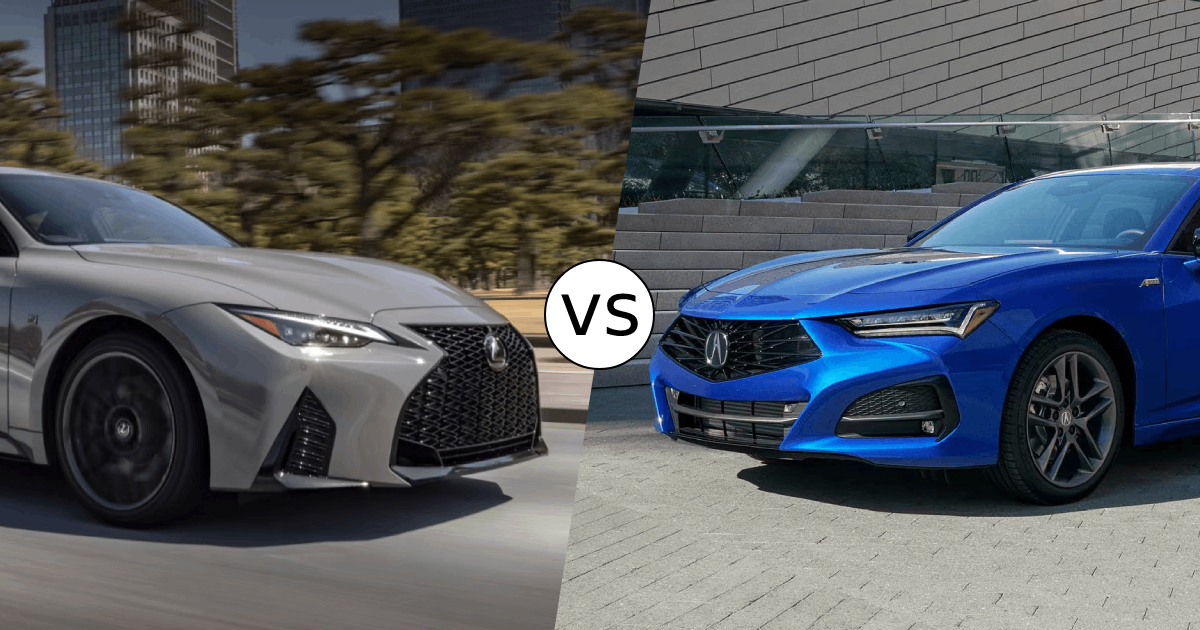
Searching for your ideal luxury sport sedan can feel like a never-ending quest. The 2025 Acura TLX vs. Lexus IS 350 matchup stands as one of today's most interesting head-to-head battles. Both cars fight for the attention of buyers looking for the perfect combination of performance, luxury, and lasting value. In this cars comparison, our team at Lexus of Stevens Creek digs into everything that matters, from how they drive and feel to tech features and what they'll cost you over time, so you can pick the right ride for your daily drives. Quick Comparison Overview The Acura TLX and Lexus IS 350 serve different buyers in the luxury sport sedan world, The TLX draws in drivers wanting sporty feel with luxury touches at good prices, while the Lexus IS 350 pulls in those who value reliability, comfort, and brand status. It's worth noting that some Lexus IS 350 models come with rear-wheel drive, a favorite among sport sedan purists for better handling, stronger acceleration, and more fun driving dynamics. Performance and Powertrain Comparison Engines is where these luxury rides really differ. The Lexus IS 350 F Sport's naturally aspirated 3.5-liter V-6 engine produces 311 horsepower and 280 lb-ft of torque with a top speed of 143 mph. The rear-wheel-drive (RWD) IS 350 F Sport speeds from 0 to 60 mph in just 5.6 seconds due to its V-6's immediate power delivery and the RWD setup's better launch grip. The Acura TLX produces 272 horsepower and 280 lb-ft of torque from its 2.0-liter turbocharged I-4 that's paired with a 10-speed automatic transmission with paddle shifters. This combo gets the TLX from 0 to 60 mph in about 5.9 seconds. If you're after more power, the TLX Type S packs a punch with 355 horsepower and 354 lb-ft of torque from its 3.0-liter turbo V-6. This set up rockets from 0 to 60 mph in 4.6 seconds. Fuel Economy and Efficiency Analysis Looking at fuel efficiency, the TLX Technology with front-wheel drive gets 22 mpg city and 31 mpg highway. The all-wheel-drive (AWD) A-Spec gets 21 city and 29 highway, while the AWD Type S is less efficient with 19 mpg city and 25 mpg highway. The Lexus IS 350 delivers EPA ratings of 20 mpg city and 28 mpg highway with RWD and 19 mpg city and 26 mpg highway with AWD, putting it just behind the TLX models. The engine philosophies create distinct personalities. The TLX's turbo engines give you that low-end torque but get less fuel-efficient when pushed hard. The Lexus naturally aspirated engines tend to be more consistent no matter how you drive. For Bay Area folks dealing with unpredictable traffic, the IS 350's V-6 gives you steady fuel use whether you're cruising down Highway 101 or crawling through traffic on I-280. Let's compare the cars side by side in terms of long-term fuel cost. Long-Term Cost Analysis With San Jose gas prices running higher than the national average, these mile per gallon differences really matter. The TLX 2.0-liter AWD has an EPA-estimated annual fuel cost of roughly $2,500 compared to $2,700 for the IS 350 AWD. Interior Design and Technology Features When you compare the interior of the TLX vs. IS 350, the Lexus is more spacious in front, with 38.2 inches of front headroom and 44.8 inches of front legroom compared to the Acura's 37.2 inches of front headroom and 42.5 inches of front legroom. The TLX wins in the back with 34.9 inches of rear legroom vs. 32.2 inches in the Lexus. The TLX gives you 13.5 cubic feet of cargo volume compared to 10.8 cubic feet for the IS 350. These luxury sedans both offer excellent technology features. The TLX comes with a 12.3-inch screen, wireless Apple CarPlay and Android Auto, and a touchpad controller, while the IS 350 has a smaller 8-inch touch screen. Both cars use nice materials throughout, but the Acura's bigger screen and ELS Studio 3D sound system create a more immersive feel while driving. Lexus counters with its Memory System that remembers seat settings — great for couples sharing driving duties. Pricing and Trim Level Analysis The basic TLX Technology trim starts at $45,400, the mid-level A-Spec with AWD runs $50,400, and the TLX Type S costs $58,050. The IS 350 starts lower with the F Sport Design RWD at $45,155, then the F Sport Design AWD at $47,155, the F Sport at $47,230, and the F Sport AWD at $49,230. When it's time to sell, the Lexus IS 350 holds its value well, retaining about 59% of its value after five years, while the Acura TLX keeps 55%. That difference adds up in the long run. Reliability stats back this up. Lexus ranked #1 in J.D. Power's 2025 U.S. Vehicle Dependability Study for the third consecutive year, while Acura sat towards the bottom. These facts make the Lexus IS 350 a smarter long-haul investment. Making the Right Choice for Your Luxury Sedan Needs Looking at the Acura TLX vs. Lexus IS 350 head-to-head, both offer powerful engines, great performance, comfortable interiors, and advanced tech. However, the Lexus IS 350 simply gives you better build quality, reliability, and long-term value. Want to check out the 2025 Lexus IS 350 for yourself? Stop by our Lexus Stevens Creek dealership in San Jose, California, for a test-drive, and see why smart luxury buyers often end up with a Lexus in their garage.
2025 Lexus TX Versus Toyota Grand Highlander

2025 Lexus TX vs. Toyota Grand Highlander

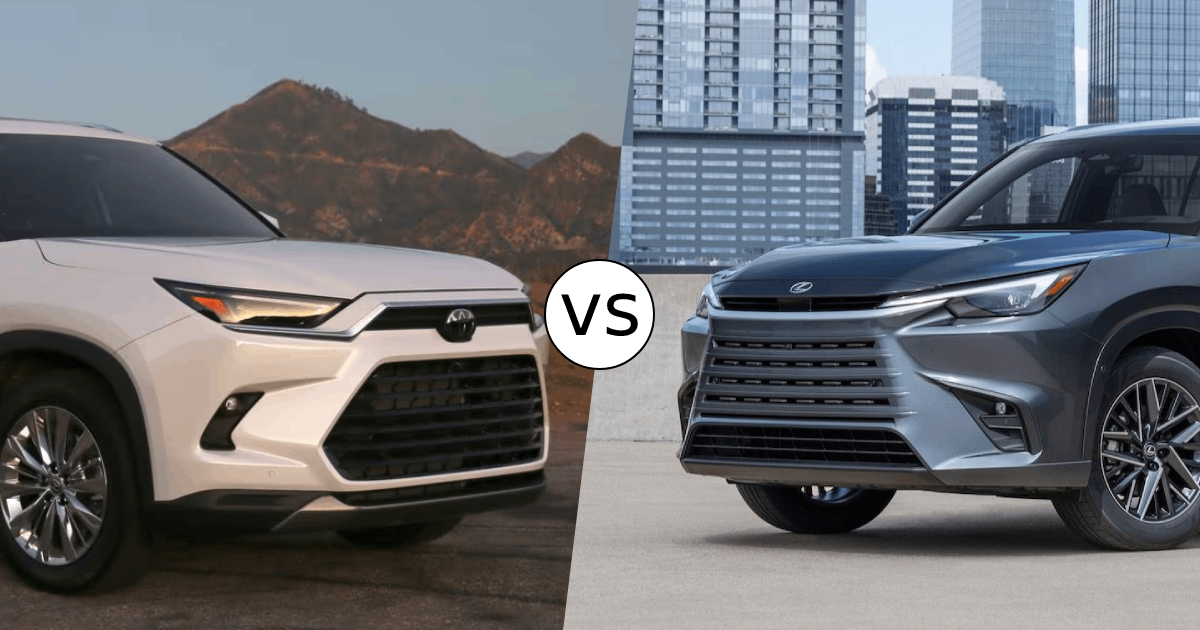
If you're looking for a three-row SUV that fits your family's daily routine while giving you space and dependability, then the 2025 Lexus TX and Toyota Grand Highlander are two great choices. They are more related than you'd think, though aimed at different buyers. Both offer families plenty of room and modern technology, but weighing up the differences in luxury levels and price tags involves more than just simple preferences. Let our team at Lexus Stevens Creek help you decide which to choose with this full Grand Highlander versus Lexus TX comparison. Two Premium Three-Row SUVs: Understanding the Lexus-Toyota Connection Both SUVs share the GA-K platform and the basic mechanical parts that Toyota has perfected over time. They use a turbocharged 2.4-liter four-cylinder engine instead of a V-6 and can tow up to 5,000 pounds when properly equipped. Beyond these shared foundations, they focus on different buyer segments. The Lexus TX targets luxury buyers seeking premium materials and refined driving, while the Grand Highlander is built for practical shoppers who prioritize value over luxury touches. That's why people call the Grand Highlander the "Lexus TX Toyota equivalent" when they want similar capability without luxury pricing. The 2025 Lexus TX measures 203.1 inches, compared with the Grand Highlander's 201.4 inches, and both share a 116.1-inch wheelbase. Toyota's feature upgrades are closing the gap between brands, as the Grand Highlander now includes standard equipment that used to be luxury-only. Pricing and Value: Premium Versus Practical Positioning Price differences will play a significant part when you're considering the Grand Highlander versus the Lexus TX. The basic 2025 Grand Highlander starts at $40,860, while the cheapest TX costs $55,140 — that's $14,000 more for the Lexus badge, premium materials, and luxury positioning. Hybrid versions widen the gap further. The Grand Highlander Hybrid starts at $44,210, compared to the TX hybrid at $68,660. The Grand Highlander's price includes standard all-wheel drive (AWD), delivering strong value. The top Lexus TX 550h+ Luxury AWD costs $77,210. The top Grand Highlander MAX Platinum costs $58,775, roughly $20,000 less than comparable Lexus models. If you're like most Silicon Valley families and are facing high household bills, that difference could be significant. Performance and Powertrains: More Different Than You'd Expect Despite shared platforms, engine tuning differs notably. Toyota's gas engine produces 265 horsepower and 310 lb-ft of torque; the Lexus exceeds this with 275 horsepower and 317 lb-ft of torque. The TX 350 achieves 21 mpg in the city and 27 mpg on the highway, while the Grand Highlander delivers 21 mpg in the city and 28 mpg on the highway. Hybrid versions show bigger gaps. The TX500h F Sport Performance combines a turbo 2.4-liter with two electric motors for 366 horsepower. The Grand Highlander Hybrid Max delivers a nearly identical 362 horsepower. Toyota offers a nonturbo 245-horsepower hybrid as its entry-level option. Lexus dominates with plug-in capability. The TX 550h F Sport uses a 3.5-liter V-6 engine with two electric motors and an 18.1 kWh battery pack. The motors produce 101 horsepower and 179 horsepower, respectively, for a combined system output of 404 horsepower and 33 miles of electric range. If you're a San Jose commuter, you can drive each day electrically while maintaining a gas backup for longer trips. Fuel Economy and Efficiency: Hybrid Technology Face-Off Gas mileage matters a lot to Bay Area families. Both SUVs are relatively fuel-efficient, but their hybrid systems operate differently. The Grand Highlander's basic 245-horsepower hybrid delivers good efficiency without complex turbo parts, while the stronger hybrid versions deliver similar real-world miles per gallon despite their extra power. The Lexus TX 550h F Sport achieves around 29 mpg combined, which increases to 76 MPGe when running on electricity. It doesn't support DC fast charging, but can be fully charged on a Level 2 home charger in three hours. If you have home charging in a place such as Palo Alto, most daily drives can be completed using zero gas. The Grand Highlander Hybrid Max has plenty of power for passing slower traffic on I-280 or I-101. It has a towing capacity of 5,000 pounds and delivers 27 mpg combined in everyday driving. This balance of efficiency and lower purchase price makes it attractive if you want hybrid perks without the extra cost of plug-in systems. Interior Space and Seating: Comfort Meets Practicality There's not much difference when you're comparing the Lexus TX versus Grand Highlander dimensions: headroom, legroom, and hip room are all similar. There are differences in seating capacity, though. The Grand Highlander seats eight with bench seats in the second and third rows, while the Lexus TX comes as a six- or seven-seater with comfortable captain's chairs. The Grand Highlander's cabin is roomy, but the craftsmanship and overall atmosphere of the Lexus interior make a stronger impression, yet many drivers find the Grand Highlander seats just as comfortable. Lexus includes fancier touches even in its cheapest version, with digital gauges, mood lighting, and NuLuxe seats all standard. But Toyota's not far behind, with heated front seats, multizone climate control, and wireless phone connectivity even in its most basic trim, demonstrating Toyota's competitive edge. Technology and Infotainment: Premium Features Versus Value Technology differences highlight each SUV's market position. The 2025 Lexus TX Hybrid comes with a 14-inch touch-screen display plus a 12.3-inch digital gauge cluster, with an optional head-up display. You get wireless Apple CarPlay and Android Auto, a Wi-Fi hot spot function, and a 12-speaker sound system that can be upgraded to a 21-speaker Mark Levinson system if you're an audio buff. The Grand Highlander takes a more practical approach to technology. It has a 12.3-inch touch screen, while XLE models use a 7-inch digital display. The Limited and Platinum versions feature a 12.3-inch gauge display that closely matches what Lexus offers. Toyota includes all the connectivity most families need, with JBL premium speakers available for better sound. Both systems work well from day to day, though the Lexus interface feels slicker and quicker to respond. If you're technology-savvy, either SUV provides phone integration and connectivity that makes life easier, but Lexus adds luxury touches, including bigger screens and better audio, which partly justify its higher price. Choose Your Premium Three-Row SUV Wisely The Grand Highlander offers excellent value if you require reliable three-row transportation without luxury costs. The Lexus TX is a better fit if you want premium materials and a sense of luxury; it costs less than many European luxury SUVs while providing Toyota reliability. The plug-in hybrid works perfectly if you're an eco-conscious buyer. Contact our team at Lexus Stevens Creek to arrange a test-drive of the 2025 Lexus TX to help you decide whether its premium features justify the investment.

2025 Lexus TX vs. 2025 Acura MDX

2025 Lexus TX vs. 2025 Acura MDX

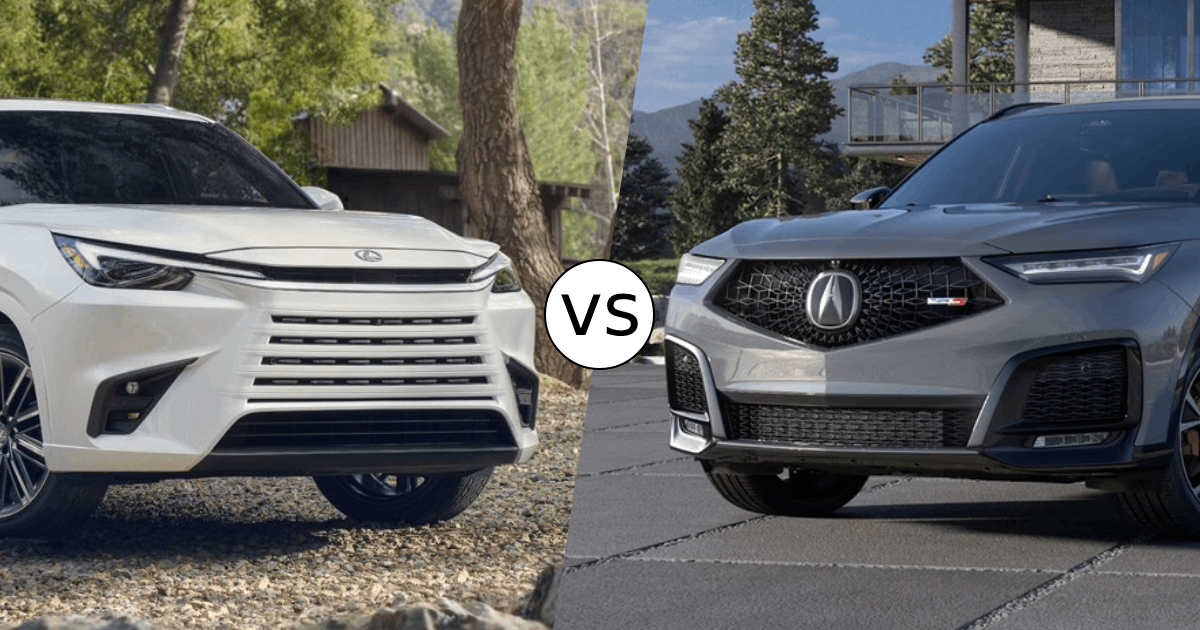
If you have a big family or need to haul plenty of cargo around, the Lexus TX and Acura MDX are both solid options. These SUVs do a great job of providing upscale interiors while offering ample power and a range of tech features to keep everyone entertained. But how should you go about choosing the right option for your California driving needs? Check out the comparison by our SUV experts at Lexus of Stevens Creek to get an idea of what's on offer. 2025 Lexus TX vs. Acura MDX: Comprehensive SUV Showdown San Jose drivers find many similarities when comparing the TX and MDX. Here are their common attributes: Cabins with three rows of seats and a good amount of cargo space at the rear. A focus on city and highway driving, setting them apart from SUVs that cater to off-roading. Rear row seats can be folded to create more cargo space. Plenty of modern tech and connectivity options, like Android Auto and Apple CarPlay, helping you to use your phone on the go. Similar price range, starting at just over $50,000, a reasonable cost for a luxury SUV. Beyond these similarities, there are important differences between MDX and TX, including between power trains, cargo options, and trim configurations. Performance and Powertrain Analysis Between both vehicles, the Lexus has a more efficient offering with a turbocharged four-cylinder option compared to the V-6 in the MDX. Lexus' 2.4L turbo-four is good for 275 horsepower and 317 lb-ft of torque. That's enough to propel this big SUV to 60 mph in less than 8 seconds, which is ideal for fast acceleration up to highway speeds. In the MDX, the standard engine offers 290 horsepower. You can upgrade to a turbocharged V-6 with 355 horsepower, but with a significant price jump. For fuel economy, the Lexus has a slight edge, returning up to 27 mpg on the highway vs. the Acura's 26 mpg. The Lexus is also available as a hybrid or plug-in hybrid vehicle, allowing you to improve your fuel efficiency. These vehicles' drivetrains are similar, with the Lexus operating on an eight-speed automatic transmission and the Acura on a 10-speed automatic. Both vehicles come standard with front-wheel drive, with all-wheel drive available as an optional upgrade. AWD is a good choice if you want to take advantage of the TX's 5,000-pound towing capacity. Interior Space and Comfort Comparison Inside the cabin, both vehicles offer room for seven passengers across three rows of seats. The Lexus TX size is slightly ahead of the MDX, with over 20 cubic feet of storage, compared to the 16 cubic feet in the Acura. Nonetheless, the Acura MDX size comparison still reveals an impressive amount of cargo room when the rear two rows are folded down. The MDX offers over 71 cubic feet of space in this configuration, which still falls short of the Lexus with over 97 cubic feet of space. Whether you're looking to move your bulkiest items or just take the groceries home after work, the TX provides more space and flexibility. Technology and Infotainment Systems The Lexus TX vs. Acura MDX specs on the tech front are extensive. The TX has: A 14-inch touchscreen and a 12-speaker stereo as part of its high-powered infotainment system. A 12.3-inch digital gauge cluster to monitor your vehicle's performance. Various connectivity options, like wireless Apple CarPlay and Android Auto, Bluetooth, and USB ports. In the MDX, you can get: A 12.3-inch infotainment display and an 11-speaker audio system to access your favorite music. A 12.3-inch digital gauge cluster for key performance stats. Wireless Apple CarPlay and Android Auto, Amazon Alexa, Bluetooth, and USB ports to support you with connectivity and voice recognition. The two SUVs offer similar driver assistance features. Forward collision warning and automatic emergency braking can kick in to avoid accidents in an emergency. The driver's attention monitor checks your response times and lets you know when you're getting too tired to continue safely on the road. Optional surround-view parking cameras in both vehicles give you a better overview of what's going on at all angles as you maneuver into your parking spot. Pricing and Value Proposition The Acura MDX vs. Lexus TX price comparison shows that both vehicles are in a similar class, with the TX costing slightly more in its base trim. The TX lineup includes: The base 350 trim costs about $55,000 and has synthetic leather upholstery and heated and power-adjustable front seats. The 350 Premium costs approximately $58,500. It gains a panoramic sunroof, ventilated front seats, and memory settings for the driver. The 350 Luxury costs $61,000, and has genuine leather upholstery and heated second-row seats. The F Sport Handling trim costs close to $65,000 and comes with standard AWD, an upgraded suspension, and 22-inch alloy wheels. The MDX can offer: The base MDX costs $51,000, and includes synthetic leather upholstery and heated front seats. The A-Spec costs $61,000. It has a hands-free power liftgate, and heated and ventilated front seats. The Type S starts at $75,000. Its standout feature is the bigger engine. Which SUV Should You Choose in San Jose? Making a choice is always difficult, but we'd recommend the Lexus TX you're buying for your family. It has a larger cargo area and better fuel economy. If you're looking for luxury features and a vehicle that holds its value over the longer term, both cars are strong candidates. It will ultimately come down to which features you personally prefer. To get a better idea, reach out to our team and arrange to test drive the TX in San Jose today! After you've seen how this three-row SUV performs on the road, we can help you with a loan or lease agreement at our finance center.

2025 Lexus GX vs. Land Rover Defender

2025 Lexus GX vs. Land Rover Defender

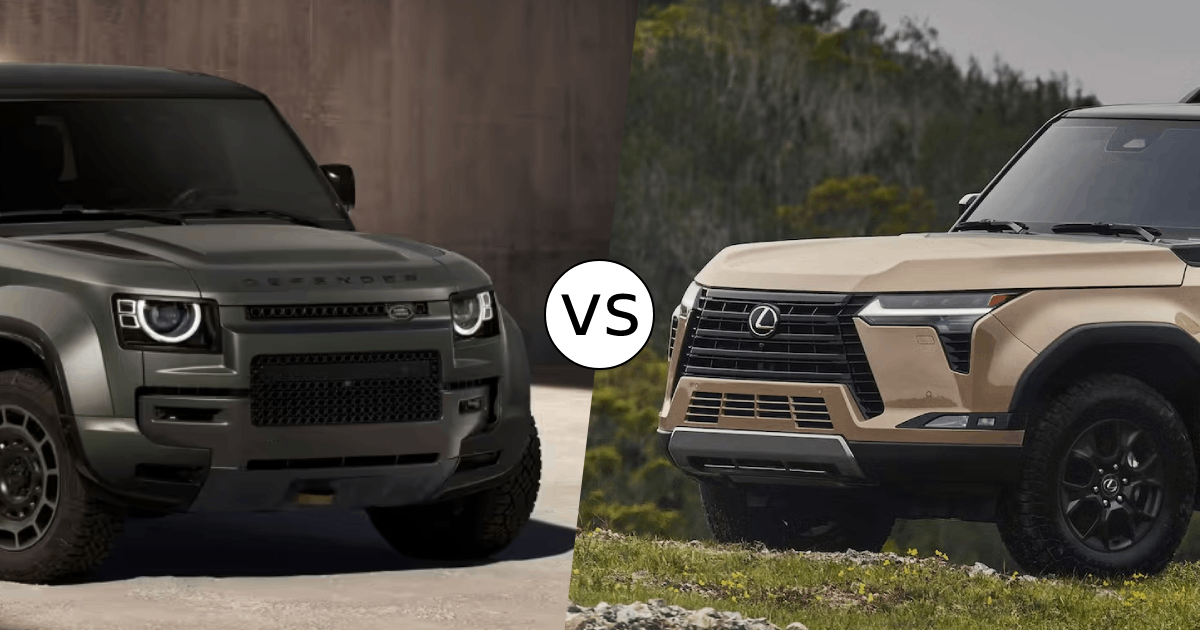
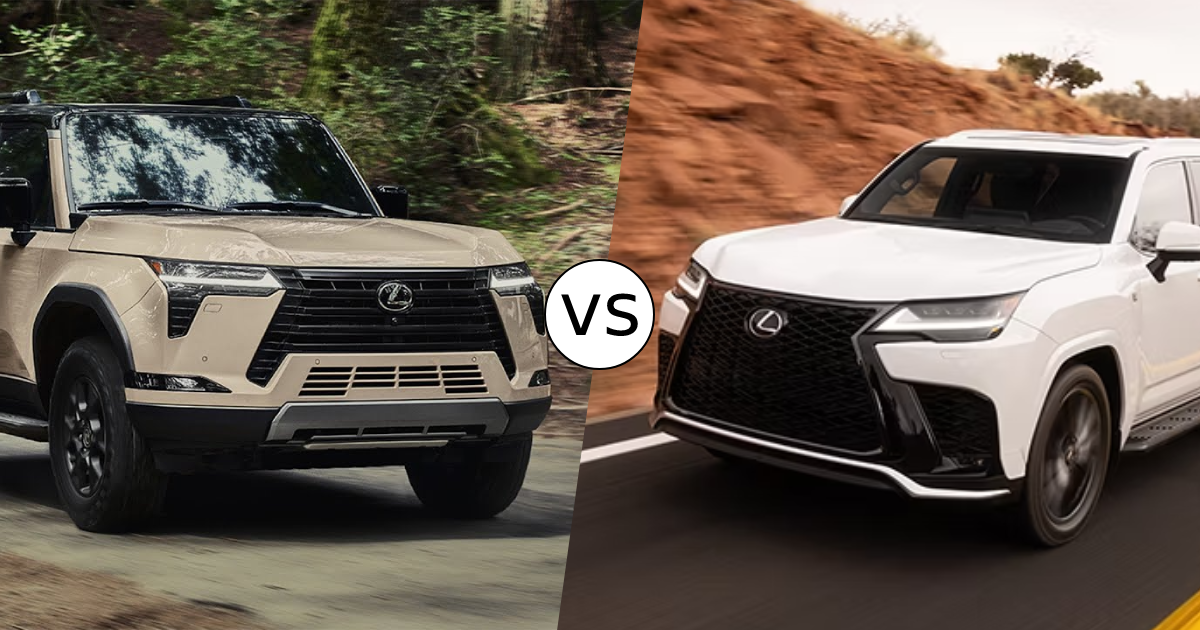
If you're shopping for a luxury SUV that can handle real off-road adventures, you've probably included the 2025 Lexus GX and the Land Rover Defender among your options. Both models pack serious capability under polished exteriors while offering different approaches to blending sophistication with trail-ready toughness. Performance and Powertrain Showdown First, let's compare the engines, towing capacity, and fuel economy to see how these two SUVs compete in power, efficiency, and capability. Engine Type and Power The GX keeps things simple with one engine type for all models: a 3.4-liter twin-turbo V-6 that produces 349 horsepower and 479 lb-ft of torque. The GX can sprint from 0 to 60 mph in a decent 6.5 seconds. The Defender's three distinct engine options are a 2.0-liter turbocharged four-cylinder engine that produces 296 horsepower, a 3.0-liter inline-six engine that generates 395 horsepower, and a V-8 engine that pumps out 518 horsepower and a tremendous 626 horsepower in the OCTA model. Towing Capacity Towing capacity varies by trim level in the GX. The Premium, Premium+, and Overtrail+ trims can tow 9,063 pounds, while the Overtrail trim pulls 9,096 pounds. The Defender's maximum towing capacity is 8,200 pounds. That's over 1,000 pounds less than the GX models — an important factor if you need to haul a boat to Tahoe or camping gear to Big Sur. Drivetrain and Efficiency The Defender features an eight-speed automatic transmission with all-wheel drive. The GX boasts a 10-speed Direct-Shift automatic transmission, a standard Full-Time four-wheel-drive system, plus a Torsen limited-slip locking center differential on every model. Gas mileage for the GX is an estimated 21 mpg on the highway and 17 mpg combined. The Defender gets 18-19 mpg in the city and 21-23 mpg on the highway, which varies by engine choice. Off-Road Driving Experience Both vehicles bring competitive capabilities to the competition. Here we'll explore each vehicle's personality based on its dynamics and off-roading features, which are worth considering if you enjoy off-roading on Silicon Valley's trails. The Lexus GX The GX features a double-wishbone front suspension and a multi-link rear setup. Adaptive Variable Suspension is available for enhanced ride comfort, while a standard Electronic Kinetic Dynamic Suspension System increases stability and improves traction on the Overtrail and Overtrail+ trims. These models also get a 1-inch suspension lift, raising ground clearance to 9.84 inches. The GX 's Multi-Terrain Select system offers five modes (Auto, Dirt, Sand, Mud, and Deep Snow), plus Crawl Control with five low-speed settings for when things get really tough — it's technology that works when you need it most. The Land Rover Defender The Defender takes a different approach that works well for everyday use and also makes it a powerful contender for off-roading on tough terrain and in deep water. Models with oil springs offer firm but controlled damping, while those with air suspension smooth things out even more. The top-of-the-line Defender OCTA goes all out, with a fully independent suspension featuring 6D Dynamics and hydraulically cross-linked adaptive dampers. The OCTA trim's ground clearance reaches an impressive 12.7 inches, while standard ground clearance on most trims is between 8.5 and 9 inches. All-Terrain Progress Control, the Terrain Response 2 system, and wade sensing technology add some serious off-roading prowess to the Defender's package. Technology and Infotainment Battle Both SUVs deliver excellent technology and infotainment, but with distinctive styles. The Lexus GX The GX features a standard 14-inch multimedia touch screen running Lexus Interface with wireless Apple CarPlay and Android Auto integration. The 12.3-inch digital gauge cluster looks sharp, and the multi-information display includes cloud navigation with voice assistance. Six USB-C ports on most models make sure everyone's devices are charged. Audio starts with a decent 10-speaker setup, but if you're serious about sound quality, you'll want the optional 21-speaker Mark Levinson system. The Lexus Safety System+ 3.0 offers precollision assist, lane departure alert with steering assist, road sign assist, and proactive driving assist in addition to basic standard safety features. Land Rover Defender Land Rover's Pivi Pro system runs on a 13.1-inch curved touch screen in most models, and built-in Amazon Alexa voice and over-the-air updates are available on select models. The 360-degree camera system and ClearSight Ground View are genuinely helpful features, especially in tight parking spots around San Jose. A Meridian sound system, wireless charging, and keyless entry round out the package. The Defender's safety system features blind-spot monitoring, adaptive cruise control, and available head-up displays. Reliability and Ownership Costs Upfront payments and ongoing maintenance costs are a huge factor to consider before making a final decision on which vehicle to purchase. Initial Payment The GX starting prices range between $66,185 for the base trim and $82,650 for the Luxury+ model. The sweet spot might be the Overtrail at $73,830, with 33-inch all-terrain tires, locking rear differential, and 360-degree cameras that make even challenging trails feel manageable. The Defender casts a wider net with prices ranging from $63,500 for the 110 S model up to $168,700 for the OCTA Black trim. Reliability Lexus ranks as the second most reliable car brand overall, according to Consumer Reports statistics. Lexus also holds the first place on the list of best brands for used cars that are 5 to 10 years old. That's something that really matters if you're planning to keep your vehicle for a while. Maintenance Costs and Warranties Land Rover ranks among the brands with the highest estimated maintenance and repair costs, with a tendency to need more ongoing service and major repairs than most brands. Lexus ranks well in comparison, with estimated maintenance costs for the first 10 years coming in at under half the amount of Land Rover vehicles. Recommended maintenance intervals are the same for both brands: every 5,000 miles for oil changes, with major services required at 15,000 to 30,000 miles. Both brands offer a four-year/50,000-mile limited warranty and a six-year corrosion and perforation warranty. Land Rover provides extended service protection coverage for up to seven years/120,000 miles. Lexus offers a powertrain warranty of 72 months/70,000 miles, plus extended parts and accessory plans. Choose Your Ultimate Luxury Off-Road Companion The Lexus GX is an unbeatable choice if you value dependability and low ownership costs but want a luxury vehicle with a smooth ride and off-roading capability. Come visit us at Lexus Stevens Creek in San Jose, California, to take the GX for a test-drive and discover your next adventure companion.

2025 Lexus RX 350 vs. Mercedes GLC 300

2025 Lexus RX 350 vs. Mercedes GLC 300

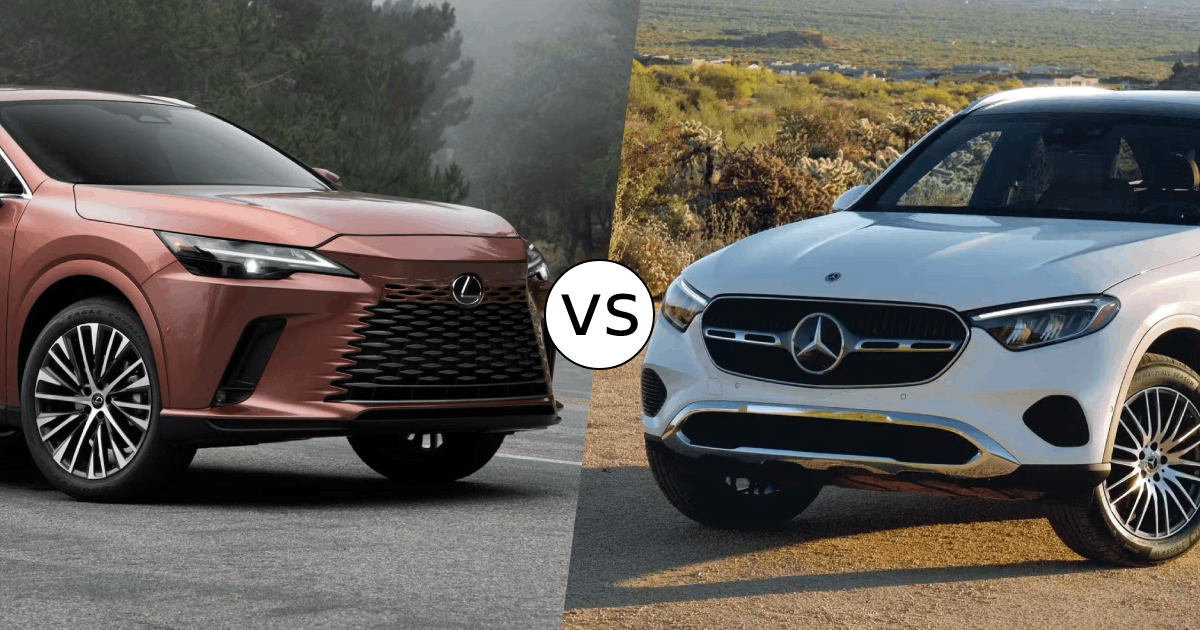
The 2025 Lexus RX and the Mercedes-Benz GLC 300 are two excellent luxury midsize SUVs, but they cater to slightly different buyers. The Lexus RX 350 comes with more horsepower, more trim level options, and a reputation for strong reliability and resale value. Meanwhile, the Mercedes-Benz GLC 300 excels in fuel economy, offers advanced infotainment technology, and provides very specific trim levels. Pricing between these two is almost identical, so your choice depends on your priorities. This guide compares the 2025 Lexus RX vs. Mercedes GLC 300 to help you make an informed choice. Performance & Powertrain Comparison The 2025 Lexus RX 350 has a 2.4-liter turbocharged four-cylinder engine that produces 275 horsepower and 317 lb-ft of torque for comfortable drives in Stevens Creek. This is more powerful than the Mercedes-Benz GLC 300's 2.0-liter turbocharged four-cylinder engine and mild hybrid system, which produces 255 horsepower and 295 lb-ft of torque. However, the Mercedes-Benz is faster. The Lexus RX achieves a 0-60 mph time of about 6.8 (AWD) or 7.0 seconds (FWD), which is slightly slower than the GLC's 5.6 seconds. The Lexus includes an eight-speed automatic transmission and front-wheel drive for improved fuel efficiency and a quieter driving experience. Meanwhile, the Mercedes-Benz has a nine-speed transmission and rear-wheel drive, ideal for rapid acceleration and a more balanced feel. The GLC's mild hybrid technology focuses on fuel efficiency and throttle response. All-wheel drive is available on both, which is ideal for handling Stevens Creek's slippery roads. Fuel Economy & Efficiency Battle Fuel efficiency leans toward the Mercedes-Benz GLC 300, according to the EPA. It is rated at 24 mpg city and 32 mpg highway with rear-wheel drive or 23 mpg city and 31 mpg highway with all-wheel drive. The Lexus RX achieves an EPA-estimated 22 mpg city and 29 mpg highway for front-wheel drive models. Opting for all-wheel drive drops the numbers to 21 mpg city and 28 mpg highway. In plug-in hybrid variants, the Lexus RX 450h+ excels with up to 83 MPGe city in all-electric mode, compared to the GLC 350e's 60 MPGe. Interior Design & Comfort Analysis Both SUVs seat five, but the Lexus provides a more spacious cabin and a quieter ride. The Mercedes-Benz offers more front headroom (41.1 vs. 39.5 inches) but less legroom (40.7 vs. 41.1 inches), which could make it more comfortable for taller occupants. Rear legroom is the same in both models, but the Lexus has less headroom in the back. The RX 350 provides a larger rear cargo volume of 29.6 cubic feet behind the rear seats, compared to the GLC 300's 21.9 cubic feet. This makes the Lexus a more practical choice if you have a family or require more space to haul luggage, sports gear, and groceries. Both manufacturers focus on quality. Lexus is renowned for its meticulous craftsmanship and upscale materials, such as open-pore wood trim and textured fabric door panels. Mercedes-Benz provides a sleek and modern design with premium interior appointments such as faux leather, advanced tech features, and customizable ambient lighting. Technology & Infotainment Systems Mercedes-Benz equips the GLC 300 with an 11.9-inch MBUX touch screen, which is larger than Lexus's standard 9.8-inch infotainment system. However, Lexus offers an available 14.0-inch screen for those who want a more user-friendly experience. MBUX includes advanced voice command and smart features, along with a 12.3-inch digital gauge display, but both systems offer navigation as an optional upgrade. Wireless Apple CarPlay and Android Auto are standard on both SUVs. The Lexus RX 350 has standard driver and front passenger knee airbags, automated emergency braking, and lane departure warning with lane-keeping assist. The GLC matches most standard safety equipment but reserves some advanced driver aids like adaptive cruise control for higher trims (optional on the Mercedes-Benz, but standard on the Lexus). Pricing & Value Analysis With base prices so close ($50,475 for the Lexus vs. $50,400 for the Mercedes-Benz), the major cost differences depend mostly on trims and packages. Lexus offers six trim levels, whereas Mercedes-Benz offers two. More availability for the Lexus means a higher chance you'll find the features you're looking for in base and mid-level trims. The Lexus also offers a better warranty. Both brands offer a limited warranty for four years/50,000 miles, but Lexus offers a powertrain warranty for six years/70,000 miles, whereas Mercedes-Benz only covers it for four years/50,000 miles. Lexus also throws in complimentary maintenance for the first year or 10,000 miles, but this isn't available on the Mercedes-Benz. We believe the Premium Plus trim, available from $56,215, offers a perfect mix of features most drivers will be satisfied with, such as leather seats, a larger touch screen, and an optional head-up display. The Mercedes-Benz offers its best features in its higher trims, including the Exclusive ($52,600) or the top-of-the-line Pinnacle ($54,550). The price difference between the models reflects Lexus's more generous list of standard features and longer comprehensive warranty. The Verdict: Which SUV Wins? The 2025 Lexus RX 350 offers a winning combination of a more powerful engine, a plusher interior, a longer list of standard safety features, a longer warranty, and higher long-term reliability and resale value. It is ideal for drivers who value comfort, quality, and a richer ownership experience. The Mercedes-Benz GLC 300 wins on fuel economy and advanced infotainment, making it a great choice for tech enthusiasts. For most, the Lexus RX 350 is the overall winner. Want to see for yourself? Visit Lexus of Stevens Creek to test drive the luxury SUV today.

2025 Lexus RX vs. Cadillac XT5

2025 Lexus RX vs. Cadillac XT5: Which Luxury SUV Deserves Your Driveway?

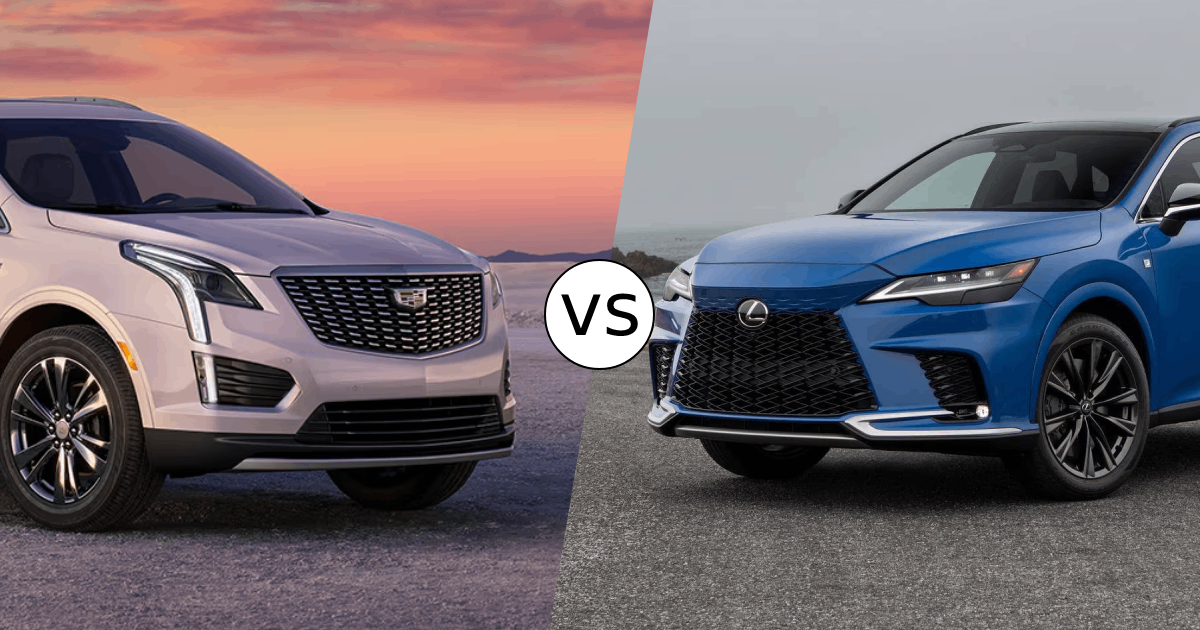
The 2025 Lexus RX and Cadillac XT5 are both great models that each have their own strengths: the Lexus RX is one of the most popular luxury SUVs in the market, while the Cadillac XT5 will appeal if you're a driver who prefers a sporty SUV. If you're undecided about the Lexus RX vs. Cadillac XT5 contest, our team at Lexus Stevens Creek in San Jose has compiled this definitive car comparison guide to aid your choice. Pricing and Trim Level Breakdown Pricing is a significant factor when purchasing a vehicle. Here's a breakdown of the trims and pricing levels of both models. 2025 Lexus RX Pricing Structure The 2025 Lexus RX is available in six trims, starting with the base 350, followed by the 350 Premium, Premium+, Luxury, Sport Design, and Sport Handling AWD. Here's a breakdown of each trim's MSRP: 350: $50,575 350 Premium: $52,825 350 Premium+: $56,315 350 Luxury: $61,370 350 F Sport Design: $57,455 350 F Sport Handling AWD: $59,425 The Lexus RX is also available in eight hybrid trims for those seeking improved fuel efficiency, spanning three powertrains — the 350h, 450h, and 500h. Here's a list of each trim and its MSRP: 350h: $52,875 350h Premium: $55,125 350h Premium+: $58,215 350h Luxury: $63,270 450h+ Luxury: $72,610 350h F Sport Design: $57,055 500h F Sport Performance: $66,150 500 h Black Line Special Edition: $68,750 2025 Cadillac XT5 Pricing Structure The Cadillac XT5 is a competitively priced luxury SUV, but it offers fewer trim and hybrid options compared to the Lexus RX; the trim range consists of the Luxury, Premium Luxury, and Sport. Here are their MSRPs: Luxury: $44,295 Premium Luxury: $50,595 Sport: $57,195 Performance and Powertrain Comparison Performance is a crucial factor in the luxury SUV segment, particularly since you need a vehicle with power when ferrying family and friends around. Here's a breakdown comparison between the two. Engine Options and Specifications The base model of the Lexus RX is powered by a turbocharged four-cylinder engine that produces up to 275 horsepower and 317 lb-ft of torque. Its hybrid counterpart has a 2.4-liter four-cylinder engine that delivers up to 246 horsepower, paired with a continuously variable automatic transmission (CVT) and all-wheel drive (AWD) for extra stability. The Cadillac XT5's base engine is a standard turbocharged four-cylinder, which falls short in comparison in terms of power, producing up to 235 horsepower. However, you can opt for the V-6 engine, which can deliver up to 310 horsepower. Transmission and Drivetrain Systems The Lexus RX has an eight-speed automatic transmission and front-wheel drive (FWD) on its base model, but you can upgrade it to AWD if needed. Its hybrid counterpart utilizes a CVT and AWD for a smooth and seamless ride. The Cadillac XT5 is similar, powered by a nine-speed automatic transmission and FWD, with an optional AWD model available. Real-World Performance Testing and Fuel Economy On the road, the Lexus RX350 can reach 0 to 60 mph in around 7 seconds, depending on the trim, while the Cadillac XT5 provides a faster acceleration time of 0 to 60 mph in around 6.5 seconds, again depending on the trim. For fuel efficiency, both the Lexus and Cadillac perform similarly, achieving 22 mpg in the city and 29 mpg on the highway. However, the clear winner is the Lexus RX Hybrid, which achieves 37 mpg in the city and 34 mpg on the highway. Interior Design and Comfort The RX seats up to five passengers and features a modern interior with textured fabric sections, as well as 14 different preset ambient lighting options. You can also upgrade your cabin to include a retractable panorama glass roof, allowing you to fill your cabin with natural light (or moonlight), as well as heated and ventilated rear seats for more tailored comfort. You'll find a generous 29.6 cubic feet of cargo space behind the second-row seats. The Lexus also offers a great convenience factor — a power rear door with a kick sensor that helps you automatically open your boot just by gently kicking your foot under the rear bumper when your hands are full of groceries. The XT5 has a comfortable interior, but it doesn't look as modern and plush as the RX. Rear passenger seating is smaller, but the Cadillac compensates with its generous cargo space of 30 cubic feet. Other features include heated front seats and trizone climate control to ensure everyone remains comfortable on long journeys. Technology and Infotainment Systems Lexus and Cadillac both feature a modern technology stack that enhances convenience and entertainment during your drives. The RX has a 9.8-inch infotainment touch screen built with Lexus' latest software interface. Smartphone integration is standard, but you can enjoy some useful add-ons, such as a 21-speaker Mark Levinson surround sound system and a cloud navigation system that provides real-time route information and directions. The Cadillac features a smaller 8-inch touch screen, with standard smartphone integration as well. Its tech stack is less luxurious, with basic navigation support and a 14-speaker Bose Performance series audio system. However, the XT5 excels in connectivity, featuring four USB ports located throughout the cabin and a wireless charging pad in the front. Safety Features and Driver-Assistance Systems Safety is key for both models, with the Lexus Safety System+ 3.0 and Cadillac Smart System keeping you safe. The RX features many refined driver-assistance systems, including the precollision system with pedestrian detection, dynamic cruise control, lane departure alert, lane-trace and road sign assist systems, an automatic high beam, and proactive driving assist. The XT5 also boasts excellent standard safety features, including automatic emergency braking, forward collision alert, an HD rear vision camera, front and rear park assist, and lane-keep assist with lane departure warning. However, more advanced features, such as blind-spot monitoring, will require upgrades and incur a substantial cost. Both models achieve excellent crash test results, so you know you'll be safe in either the Lexus RX or the Cadillac XT5. Which SUV Should You Choose? Both the Lexus RX and Cadillac XT5 are luxury models that are worth their price; however, the choice ultimately depends on your lifestyle and needs. Families may prefer the XT5 for its extra cargo space, but if you value luxury, fuel efficiency, and state-of-the-art technology, you may prefer the RX for its quality materials, advanced tech system, and hybrid options. The Lexus RX is now available at Lexus Stevens Creek. Take a look at our online inventory to find out more about the model, or contact us to schedule a test-drive and experience it for yourself.

2025 lexus tx vs 2025 volvo xc90

2025 Lexus TX vs. 2025 Volvo XC90

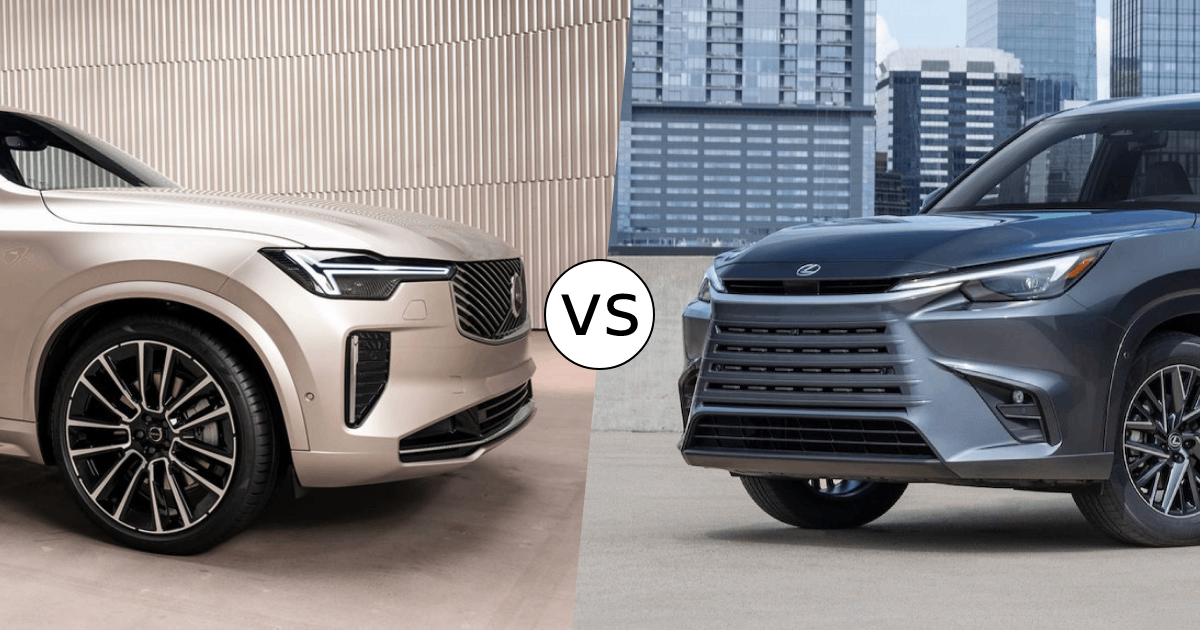
Picking between the 2025 Lexus TX and 2025 Volvo XC90 isn't easy. These luxury three-row SUVs come from wildly different schools of thought — Lexus banks on reliability, space, and lasting value, while Volvo leans into its Swedish design roots, hybrid tech, and next-level safety systems. Your perfect match depends on what your family needs both today and five years down the road. To help you understand the car comparison specifications for these vehicles, our team at Lexus Stevens Creek has put together this comprehensive guide on the TX and XC90. Design and Space These SUVs look completely different. The TX sports bold styling with a massive spindle grille and sharp angles. The XC90 features clean lines with Thor's hammer headlights and minimalist appeal. It's modern art versus classic sculpture. If space matters to your family, the TX will probably come out on top. In the front, it supplies 41.4 inches of headroom, followed by 40.1 inches in the second row and 37.2 inches in the third. The Volvo XC90 offers 38.9, 38.5, and 36.3 inches, respectively. Legroom tells the same story: second-row passengers get 39.5 inches in the TX versus 37 inches in the XC90, while those in the third row enjoy 33.5 inches instead of 31.9. The TX delivers a maximum cargo volume of 97 cubic feet, compared to the XC90's 85.7 cubic feet. Both seat six or seven, depending on whether you choose second-row captain's chairs or bench seating, though adults may find the XC90's third row cramped. Performance and Efficiency The TX350 uses a 2.4-liter turbo with 275 horsepower and 317 lb-ft of torque. It goes from 0 to 60 mph in 7.1-8 seconds and gets 23 mpg combined. The TX500h hybrid makes 366 horsepower and sprints from 0 to 60 mph in 6.1 seconds (F Sport only). The TX550h+ plug-in produces 404 horsepower, sprints to 60 in 5.9 seconds, travels 33 miles on electric-only power, and gets 29 mpg combined in hybrid mode. The XC90 B5 mild hybrid produces 247 horsepower and 266 lb-ft of torque, goes from 0 to 60 mph in 7.3 seconds, and gets 25 mpg combined. The B6 mild hybrid delivers 295 horsepower and 310 lb-ft of torque, sprints from 0 to 60 mph in 6.4 seconds, and achieves 23 mpg combined. The T8 plug-in hybrid provides 455 horsepower and 523 lb-ft of torque, and it rockets from 0 to 60 mph in 5 seconds. It's rated 58 MPGe and travels 32 miles electric-only. Both vehicles tow up to 5,000 pounds. Interior Technology The TX includes a 14-inch touch screen with wireless Apple CarPlay and Android Auto, plus 14 ambient lighting themes, remote parking, a digital rearview mirror, and an optional 12.3-inch digital cluster. The XC90 has an 11.2-inch display with Google's system for Maps and Assistant that works beautifully for Android users. Voice commands feel natural, while an optional Bowers & Wilkins audio system pumps 1,410 watts through 19 speakers. Safety Features and Warranty Coverage Both take safety seriously with different approaches. Every TX includes adaptive cruise control, pedestrian detection, and lane centering. These systems work together, reducing driver fatigue and preventing accidents. Volvo's safety reputation spans decades, and the XC90 contains plenty of crash-prevention technology, building on the company's strong history of safety innovation. Warranty coverage adds value. Lexus offers a four-year/50,000-mile basic warranty, with a stronger six-year/70,000-mile powertrain warranty, though only one year of free maintenance. Volvo offers four years/50,000 miles for both basic and powertrain, but includes better complimentary maintenance, offsetting typically higher European luxury service costs. Pricing and Value for Money The 2025 TX350 starts at $56,590 for front-wheel drive and $58,190 for all-wheel drive. The XC90 begins at $59,745. If you're counting your pennies but still want luxury, Lexus consistently gives you more for less. The gap widens dramatically when you look at the plug-in hybrid models. The Volvo XC90 T8 plug-in starts at a whopping $74,295 for the base trim. That's a serious jump from the base TX, though you're getting cutting-edge plug-in tech and impressive performance for that premium. Benefit Analysis and Resale Value Fast-forward five years, and the Lexus will likely retain 55%-60% of its value, while the Volvo might hold just 45%-50%. On a $60,000 SUV, that's a significant difference when you trade up — potentially enough for a vacation or your next vehicle down payment. Toyota and Lexus models consistently dominate resale value rankings. When people know a used Lexus will run trouble-free, they'll pay more for it. Maintenance tells a similar story. Lexus vehicles top the reliability charts and cost less to maintain, while Volvos cost more to service over time. European luxury vehicles often require specialized service centers, specific fluids, and pricier parts, making routine maintenance a budget-stretching event. The Lexus advantage grows after warranties expire. Which Luxury SUV Is Right for You? Which one belongs in your garage comes down to what you value most. The TX and XC90 take different paths to premium three-row transportation. If you need maximum space, proven reliability, and strong resale value, the Lexus TX makes more sense. Its roomier third row, larger cargo area, and legendary quality record add up to a smart long-term buy that'll cost less when you factor in purchase price, repairs, and trade-in value. If you're passionate about environmental impact and cutting-edge tech, the XC90 has a strong appeal. Its plug-in hybrid system lets you make daily trips on electricity alone, potentially saving thousands in fuel costs. The clean Scandinavian design creates a serene space, and Volvo's safety innovations give peace of mind. Experience the 2025 Lexus TX at Lexus Stevens Creek We think the Lexus TX represents the more practical choice. Its superior interior space, proven reliability, competitive pricing, and strong resale protection make financial sense for most families, while those extra inches of passenger and cargo space can make all the difference on road trips. Visit us at Lexus Stevens Creek in San Jose, California, to explore the 2025 TX, experience all three rows, test the latest technology, and take it for a test-drive. We think you'll see why families are choosing the TX as their next luxury SUV.

2025 Lexus RZ vs. Acura ZDX

2025 Lexus RZ vs. Acura ZDX

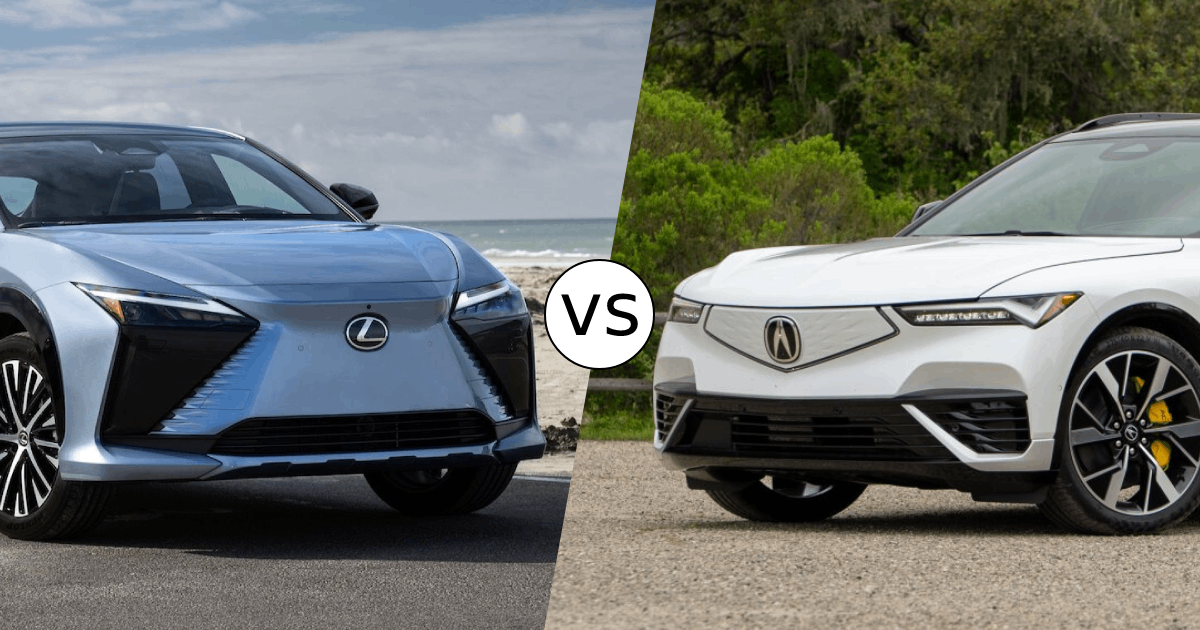
The luxury electric SUV market has two fresh contenders taking very different paths to win your heart. The 2025 Lexus RZ and Acura ZDX bring their unique strengths to the table, so let's dig into what makes each of these head-turners special and figure out which one might be your perfect match. Exterior Design and Features When you compare these cars, the Acura ZDX sports a 121.8-inch wheelbase that's larger than the RZ's more modest 112.2 inches. It's also longer at 197.7 inches vs. 189.2 inches and wider — 77 inches vs. 74.2, though both stand exactly 64.4 inches tall. Both cars cut through the air with body shapes designed for electric efficiency, but they speak different design languages. The ZDX makes a bold statement, while the RZ whispers subtle sophistication. The ZDX's standard 20-inch Berlina Black wheels are designed to attract attention on California roads. On the other hand, the Lexus RZ takes a quieter approach with elegant 18-inch Dark Gray Metallic wheels. Signature lights make these SUVs instantly recognizable after dark. The ZDX uses its larger canvas for bold styling that turns heads, while the RZ's compact, athletic shape looks nimble and quick. You can customize both SUVs with various paint options to match your personality, whether you're feeling subtle or want to stand out in traffic. Performance and Powertrain The all-wheel-drive (AWD) ZDX Type S delivers 499 horsepower from dual electric motors, while the base A-Spec with rear-wheel drive (RWD) puts out 358 horsepower. You can upgrade the A-Spec to a dual-motor AWD version that outputs 490 horsepower. The ZDX Type S hits 0 to 60 mph in just 4.3 seconds. Lexus took a different path with the RZ, offering 201 horsepower in single-motor form with front-wheel drive or 308 horsepower with dual motors and AWD. While slightly slower, the dual-motor RZ still gets an impressive 0-to-60 mph time of 5 seconds. Battery capacity makes all the difference for range anxiety. The ZDX carries a massive 102 kWh battery vs. the RZ's lighter 63.4 kWh pack. This gives the ZDX impressive range: 313 miles for RWD versions, 304 miles with AWD, and 278 miles in Type S form. However, because the RZ is lighter, it delivers up to 266 miles per charge. As for charging, both offer Level 2 and DC fast charging, though the Lexus RZ is also compatible with Level 1 chargers. Interior Comfort and Technology You'll instantly notice a difference between the cabin vibes of these five-seaters. The Lexus RZ favors a simpler design with comfortable NuLuxe- or Ultrasuede-trimmed seats. A 14-inch touch screen and premium 10-speaker sound system provide entertainment and easy access to important information. The ZDX competes with standard Milano leather seats and a Bang & Olufsen 14-speaker system. Its 11.3-inch display is smaller but comes with Google Built-in as standard. You'll also find smartphone integration features, such as Apple CarPlay, on both SUVs. The RZ offers a roomier cargo hold with up to 34.9 cubic feet behind the second-row seats, beating the ZDX A-Spec's 29.7 cubic feet. Fold those seats down, and the ZDX fights back with 63 total cubic feet vs. the RZ's 55.6 cubic feet. Safety and Reliability These SUVs both come with numerous driver aids, but specific features vary by model. These include automatic emergency braking, blind-spot monitoring, and adaptive cruise control. Brand reliability tells an interesting tale. Acura sits in second place out of 32 brands in RepairPal's rankings for 2024, with Lexus trailing in sixth place. However, J.D. Power crowned Lexus as the most dependable. With their extensive safety features, both brands care about keeping you safe on the road, so you can't go wrong with either choice. Pricing and Ownership Considerations The 2024 ZDX started at $64,500 for the A-Spec RWD, and the new 2025 version is expected to start around $66,000. With the 2025 RZ 300e starting at just $44,095, you could potentially save over $20,000. Both brands back their products with solid warranty packages, though terms vary. Don't forget the fine print: warranty coverage, financing deals, and tax incentives can dramatically change the math. You should also consider insurance costs, depreciation curves, and future resale value when figuring out your true cost of ownership. Which Is the Better Choice for You? The Lexus RZ is great for practical luxury buyers who want a deal without skimping on quality. Its whisper-quiet cabin and nimbler handling make city driving a joy. Plus, its bigger cargo area behind the rear seats fits more shopping bags or sports gear. But if you crave power, range, and tech toys, the ZDX may be a better fit. Lexus has built its reputation on keeping customers happy with exceptional service, while Acura counters with strong reliability scores and slightly cheaper maintenance. Your final choice comes down to your priorities: raw performance, cutting-edge tech, cargo flexibility, or stretching your dollars further. Your Next Luxury Electric SUV Awaits The 2025 Lexus RZ and Acura ZDX both deliver luxury in spades, but your ideal match depends on what you value most. The ZDX offers stronger performance and a longer driving range, while the RZ counters with a much friendlier price tag, smarter cargo space, and that famous Lexus quality reputation. Ready to see which one speaks to you? Swing by Lexus of Stevens Creek in California. Our team can tell you all about the 2025 Lexus RZ and help you find your perfect luxury electric match.

2025 Lexus IS vs. Volvo S60

2025 Lexus IS vs. Volvo S60

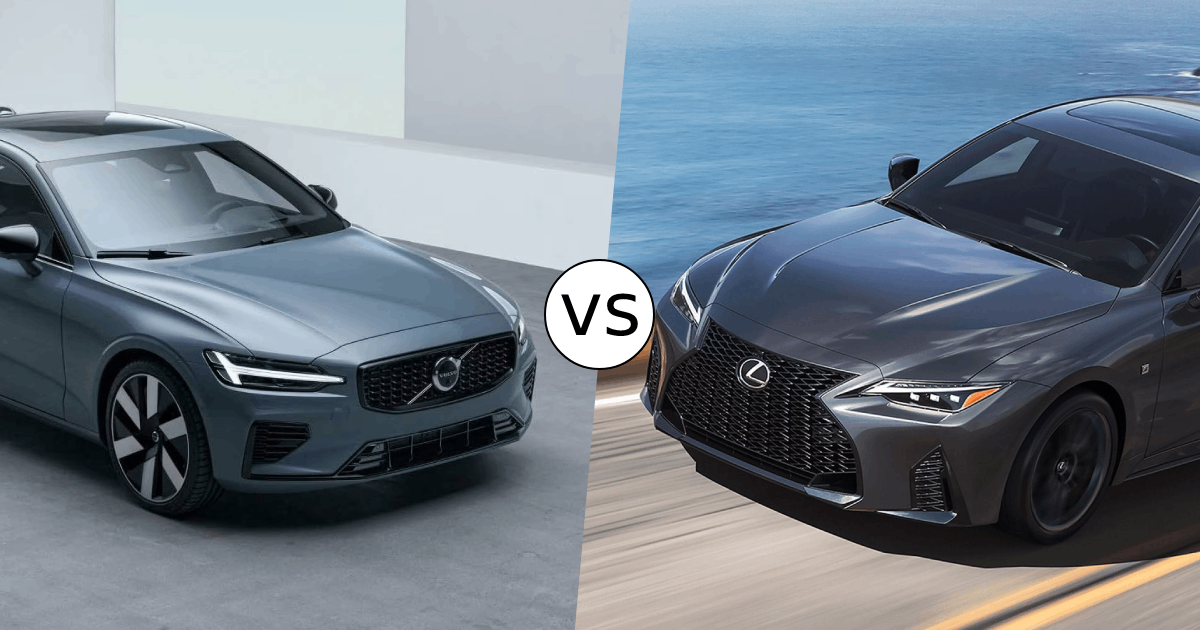
The luxury car market has grown significantly in recent years and shows no signs of relenting. In 2024, the luxury vehicle market earned a whopping $623.9 billion and is projected to hit $672.26 billion in 2025. The two brands leading the charge for luxury vehicles are Lexus and Volvo. Both brands command a substantial portion of the luxury sedan market, owing to their reputation for making reliable and sophisticated cars. So, which one should you consider when buying your next luxury vehicle? Join us as we compare their latest flagship sedans, the 2025 Lexus and the Volvo S60, to discover which reigns supreme. Performance and Engine Analysis Lexus and Volvo are renowned for their performance-oriented and fuel-efficient powertrains, and this is clear to see when comparing the engines of their newest sedans. The 2025 Lexus IS comes with three formidable powertrain options. The base engine, standard on the IS 300 and IS 300 F Sport Design, is a 2.0-liter turbocharged I-4 with 241 horsepower and 258 lb-ft of torque. Meanwhile, the IS 300 AWD, IS 300 F Sport Design AWD, and IS 300 F Sport AWD come with a 3.5-liter V-6 that produces 260 horsepower and 236 lb-ft of torque. The IS 350 F Sport and IS 350 F Sport Design feature the same 3.5-liter V-6. However, in these models, the powertrain is tuned to deliver up to 311 horsepower and 280 lb-ft of torque. Opting for the apex IS 500 F Sport Performance model gives you access to even more power courtesy of its monstrous 5.0-liter engine, which cranks out a remarkable 472 horsepower and 395 lb-ft of torque. Besides its astonishing power output, this top-of-the-line trim delivers impressive acceleration, reaching 60 mph in just 4.4 seconds. The 2025 Volvo S60 offers equally compelling engine options. The base 2.0-liter turbocharged engine with a 48-volt mild hybrid system generates up to 247 horsepower and 258 lb-ft of torque. A plug-in-hybrid engine is also available for this model year. This engine, standard on the S60 T8 models, cranks out an astonishing 455 horsepower and 523 lb-ft of torque. The T8 that we tested hit 60 mph in 4.5 seconds, which just about matches the IS 500 F Sport Performance's acceleration time. Design and Dimensions Design and styling are arguably the biggest selling points of luxury vehicles, and Lexus and Volvo have gone to great lengths to ensure their flagship sedans stand out. The 2025 Lexus IS boasts dramatic styling, featuring sharp character lines for a sporty and imposing look. Its singular mesh grille adds character and flair to its front end, while its LED headlights and taillights give it a fresh, contemporary aesthetic. The 2025 Volvo S60 impresses with its Scandinavian-inspired exterior design and styling. Its bold, flowing lines and sculpted body give it a dynamic appearance that's guaranteed to turn heads wherever you go. Its front end features Volvo's signature front grille, flanked by stunning headlights, which give it a commanding presence. Meanwhile, its rear end is punctuated by C-shaped LED headlights, which contour nicely around the trunk lid. While the 2025 Lexus IS's and Volvo S60's exterior designs are impressive, where the two models truly shine is in their interior styling and comfort. Both models provide comfortable seating for five passengers. However, the Lexus IS gets a slight edge over the Volvo thanks to its generous front headroom and legroom. The model offers a class-leading front headroom of 38.2 inches and a front legroom of 44.8 inches. By comparison, the Volvo S60 has a front headroom of 37.4 inches and a front legroom of 42.3 inches. Both sedans are outfitted with premium amenities to deliver the utmost passenger comfort. Some standout standard and available interior comfort features on the 2025 Lexus IS include a 10-way power-adjustable driver seat with memory function, an eight-way power-adjustable front passenger seat, heated front seats, a heated leather-trimmed steering wheel, and dual-zone climate control. The 2025 Volvo S60 has equally compelling comfort amenities, including a leatherette steering wheel, a panoramic roof, a four-zone climate control system, and ambient interior lighting. Safety, Technology, and Features Technology is at the heart of any luxury sedan. That's why Volvo and Lexus have pulled out all the stops to ensure their latest offerings deliver the very best when it comes to in-cabin tech. The centerpiece of the new Lexus IS safety system is the Lexus Safety System+ 2.5 suite, which integrates the most advanced driver-assistance technologies to enhance your confidence behind the wheel. Its standard features include automatic high beams, lane tracing assist, precollision system with pedestrian detection, lane departure alert, and full-speed range dynamic radar cruise control. The 2025 Volvo S60 doesn't disappoint either when it comes to safety. It's outfitted with a wide range of sophisticated driver-assistance systems designed to increase driver alertness and responsiveness. They include lane-keep assist, oncoming lane mitigation, adaptive cruise control, pilot assist, blind-spot monitoring with rear cross-traffic alert, and rear collision warning. Many of the Volvo S60's top driver-assistance systems are only standard on higher trims such as the Ultra, unlike the Lexus IS, which offers them as standard features across the trim lineup. When it comes to infotainment technology, the new Lexus IS and Volvo S60 offer the very best money can buy in this market segment. Every Lexus IS model comes with a standard 8-inch Lexus Multimedia System touch screen display with smartphone integration capabilities. Also included in the infotainment package is an AT&T Wi-Fi hot spot that ensures you stay connected on the go. Other noteworthy connectivity and entertainment features on this model include Bluetooth support, dynamic voice command, and a 17-speaker Mark Levinson sound system. The new Volvo S60 is equally impressive with its infotainment and connectivity features. Every model has a user-friendly 9-inch infotainment display with Google built-in. The model also features auxiliary technologies such as a Wi-Fi hot spot, Bluetooth connectivity, and a 14-speaker Harman Kardon sound system. Test-Drive the 2025 Lexus IS at Lexus of Stevens Creek If you're still undecided on which of these formidable luxury sedans to buy, firsthand experience can help you determine which model better suits your preference. Contact us today to book a free test-drive of the new Lexus IS and discover why it's a favorite choice for drivers in San Jose, California.

2025 Lexus UX vs. Acura MDX

2025 Lexus UX vs. Acura MDX

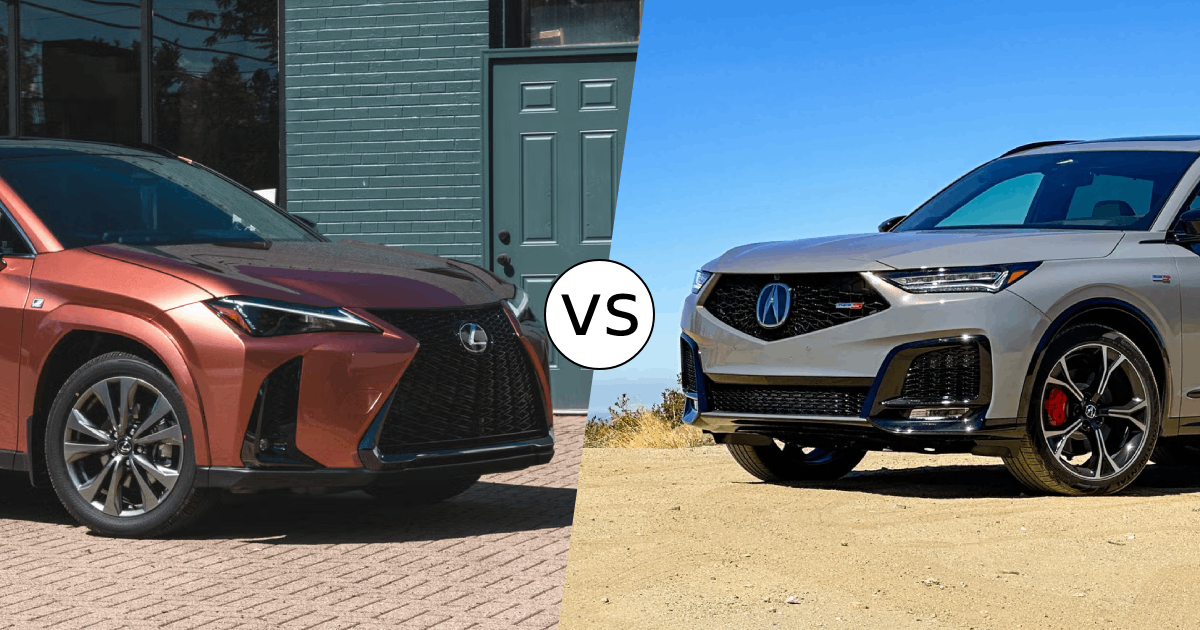
If you're in the market for a luxury SUV, two models will stand out in your search: the 2025 Lexus UX and the 2025 Acura MDX. This isn't your typical comparison, though: the Lexus UX is a compact SUV, and the Acura MDX is a three-row midsize crossover SUV. However, that doesn't mean we can't figure out which one best suits your lifestyle. Here at Lexus Stevens Creek in San Jose, California, we've been helping Bay Area drivers with this sort of decision for years. We understand why this comparison matters. You may be downsizing from a larger vehicle or, conversely, considering something bigger; either way, you'll want to know which vehicle offers the best value for your money. You'll want a vehicle that delivers performance and daily driving that makes sense in our Silicon Valley traffic. In this guide, our team will examine how these two luxury options compare to one another. Size and Class Reality Check The 2025 Lexus UX and 2025 Acura MDX aren't direct competitors. The UX is compact, seating five people, while the MDX, as a midsize model, accommodates seven passengers across three rows. If you live in the Bay Area, you'll already be familiar with the challenges of parking. The UX's smaller size makes life easier, allowing you to fit into parking spots in Palo Alto. Try squeezing the MDX into downtown San Jose, and you'll appreciate just how difficult that can be. Family size is an important factor. If you have two children and don't regularly haul extra people, then the UX might provide all the space you need. The MDX makes more sense when you're regularly carrying more than five people or when you need maximum cargo space for those Tahoe weekends. The impact of this car brand comparison will ultimately depend on your lifestyle. Both vehicles offer luxury, but the UX delivers it in a package that's more compact and nimble. Performance and Engine Breakdown If you compare the car engines, you're looking at different dynamics. The Lexus UX features a hybrid setup that combines a 2.0-liter four-cylinder engine with electric motors, yielding a total output of 196 horsepower. The Acura MDX is powered by a 3.5-liter V-6 engine that produces 290 horsepower. The MDX wins on sheer power, but that may not be the most important priority when considering Bay Area driving conditions. The UX hybrid excels in stop-and-go traffic on U.S. 101 or Interstate-280, with an EPA-estimated fuel economy rating of 45 mpg in the city and 41 mpg on the highway for a combined 43 mpg. The MDX achieves only 20 mpg in the city, with an EPA-rated fuel economy of 19 mpg for the base model and 17 mpg for the Type S. The UX feels quick around town; its electric torque kicks in instantly, so you can even merge onto the extremely busy Lawrence Expressway with confidence. The MDX has more acceleration for highway passing, but there may not be many occasions when you need that extra power. For our local driving, with high volumes of traffic, frequent stopping, and some hills, the UX powertrain makes more sense. The hybrid system efficiently handles all these factors, and you won't need to constantly feed it premium gas as you would with the MDX. Interior Space and Comfort Here's where size differences become apparent. The MDX, built for families who need every cubic foot, excels in terms of overall passenger space and cargo room. But the UX may surprise you with how it uses its smaller footprint. The UX front seats are genuinely comfortable for adults. The rear seats are suitable for children or average-sized adults on shorter trips. The cargo space accommodates groceries, gym bags, and weekend gear. The MDX offers a third row and a large cargo area, but you may want to consider how often you'll need this feature. While both vehicles have solid tech packages, the UX's infotainment system feels more intuitive. Climate control works perfectly for our mild California weather, and the smaller cabin heats and cools faster than the MDX's larger space. For car trim level comparison, both brands offer multiple configurations. The UX keeps things simpler with fewer trim levels, while the MDX's numerous options can feel overwhelming. Starting MSRP and Cost of Ownership Cost will also be an important factor in your deliberations. The 2025 Lexus UX MSRP is lower than the 2025 Acura's: the Lexus UX 300h starts at $37,715, while the Acura MDX MSRP is $51,200. This significant difference means that the lower entry cost for the Lexus makes it more accessible to buyers. The highest-cost trim for the 2025 Lexus UX is the UX 300h F Sport Handling, which has an MSRP of $47,750 for the all-wheel-drive version. The 2025 Acura MDX has a $75,250 MSRP for the Type S. Maintenance costs for the UX should also be more affordable, with smaller brakes, simpler systems, and improved fuel economy, all of which means lower long-term ownership costs. The MDX's larger size means pricier tires and brake components, as well as higher insurance premiums. When you factor in our local market conditions — high fuel costs, expensive parking, and premium maintenance rates — the UX's lower cost of ownership becomes even more attractive. Keep an eye on our new Lexus specials to see if we're offering any great deals on your favored UX model. Expert Verdict and Recommendation After looking at both vehicles, the Lexus UX is the smarter choice for most Bay Area drivers. Unless you need three rows, the UX delivers luxury in a more practical package. If you're in the market for a three-row SUV, Lexus also offers the Lexus TX, a luxurious three-row SUV that competes with the MDX. The UX excels at daily commuting. It offers genuine luxury appointments. It won't kill you at the gas pump. It's perfectly sized for our roads and parking situations, and you still get Lexus brand prestige. The MDX is worth considering if you regularly transport large groups or need maximum cargo space. However, for most luxury SUV shoppers, the UX offers better value and a more enjoyable daily driving experience. Check Out the 2025 Lexus UX Today The 2025 Lexus UX represents smart luxury. It delivers the premium experience you want without the excess you don't need. It's the right-sized solution for modern Bay Area life: efficiency, comfort, and style in one package. If you'd like to experience the 2025 Lexus UX yourself, contact us today to schedule your test-drive; our team is ready to help you discover why the UX might be perfect for your lifestyle. Don't just read about it; visit us and experience the difference behind the wheel.

Lexus GX and LX

Understanding the Difference Between the Lexus GX and LX

If you're in the market for a luxury SUV, the Lexus GX and LX should be at the top of your list. These luxury vehicles feature three rows of seating, making them excellent for your family excursions. In this article, our team at Lexus Stevens Creek compares the Lexus GX and LX to help you decide which one fits your lifestyle. If you're looking to test-drive either the new Lexus GX or Lexus LX in San Jose, give our team a call at 408-878-4112 Introduction to the Lexus GX and LX Models The Lexus LX was introduced in 1996 as the brand's flagship SUV, delivering full-size luxury with real off-road credentials. It grew from a rebadged Land Cruiser to an upscale model in its own right, boasting stylish lines and cutting-edge safety tech. Representing a shift to improved efficiency and performance through turbocharged and hybrid powertrains, the latest LX generation is a big step in the right direction. The Lexus GX debuted in 2002 as a midsize compromise, suitable for trails and daily driving. Famed for its body-on-frame construction, the GX became popular among families and adventure-seekers. Recent updates introduced modern technology, a more aggressive design, and a continued commitment to off-road durability. The GX and LX represent Lexus's dedication to building luxury SUVs that don't compromise on performance, comfort, and capability. Design and Exterior Differences One of the biggest changes is the rear door setup. A side-hinged rear door with a rear-opening glass window offers quick access to small items in the Lexus GX. This is based on its heritage of off-road utility design. The Lexus LX has a traditional top-hinge power liftgate, which simplifies loading in cramped areas. The GX has a square, muscular appearance with a high, trail-ready stance. The LX is more elegant with smoother bodywork, a more prominent spindle grille, and sleeker lighting signatures for a more premium look. Both models feature a choice of exterior colors such as Eminent White Pearl, Caviar, and Nori Green Pearl. Interior and Space Comparison While the Lexus GX and LX offer luxurious interiors, they cater to different space, technology, and flexibility needs. The GX typically seats up to seven passengers, while available second-row captain's chairs reduce this capacity to six. Given the tighter space, its third row is best suited for occasional use or younger passengers. Although the LX also accommodates up to seven, it offers more spacious third-row seating and added comfort features, making it better suited for long trips with full occupancy. The GX's cargo space is limited when the third row is used, but folding the seats flat significantly expands its utility. Its side-hinged rear door and swing-out design can limit access in tight spaces. The LX offers more cargo capacity overall and features a power liftgate with fold-flat third-row seats for a larger load floor area and greater flexibility. Performance and Driving Dynamics The LX offers two engine options. The traditional gas-powered 3.4-liter twin-turbo V-6 is paired with a 10-speed electronically controlled automatic transmission with paddle shifters, producing 409 horsepower and 479 lb-ft of torque. This setup provides 17 mpg in the city, 22 mpg on the highway, and 19 mpg combined. The hybrid option adds an electric motor to generate 457 horsepower and 583 pound-feet of torque, providing 19 mpg in the city, 22 mpg on the highway, and 20 mpg combined. The Lexus GX features a 3.4-liter twin-turbo V-6 engine matched to a 10-speed automatic transmission that generates 349 horsepower and 479 lb-ft of torque. This engine provides an EPA-estimated 15 mpg in the city, 21 mpg on the highway, and 17 mpg combined. Both luxury SUVs feature full-time four-wheel drive, which gives you more control and traction in various conditions and surfaces. Safety and Technology Features The Lexus GX and LX offer advanced safety and technology features to enhance driver confidence, passenger comfort, and overall convenience. Both models include Lexus Safety System+ as standard, featuring a pre-collision system with pedestrian detection, lane departure alert, dynamic radar cruise control, and intelligent high beams. The LX offers available features such as lane tracing assist, a 360-degree camera system, and traffic sign recognition for added situational awareness and driver support. The GX introduces the latest Lexus Interface system with a large 14-inch touch screen and intuitive access to navigation, audio, and vehicle settings. It also supports wireless Apple CarPlay, Android Auto, and voice-activated controls for a user-friendly, connected driving experience. The LX features a slightly smaller but equally refined 12.3-inch touch screen powered by Lexus Interface. The LX's setup, paired with a secondary 7-inch climate and vehicle control screen, offers a split-function display approach for enhanced multitasking and control. Which Model Is Right for You? Choosing between the Lexus GX and LX depends on how you plan to use your SUV and what features matter most. The Lexus GX is ideal if you value off-road capability, classic SUV toughness, and a more accessible price point. With its body-on-frame construction and high ground clearance, it's an excellent choice for your family excursions and weekend adventures. The Lexus LX is perfect if you want superior luxury and exceptional power. It's better if you prioritize spaciousness, cutting-edge technology, and a smoother ride for long-distance travel, urban commuting, or towing with confidence. Its hybrid option is also appealing if you're looking for increased efficiency without sacrificing capability. If your lifestyle leans toward rugged and you value simplicity and durability, the GX delivers. If you want prestige, comfort, and all-around versatility, the LX is the one you want. Contact Lexus Stevens Creek Today When you're ready to schedule a test-drive in the GX and LX to compare them firsthand, or to check out our used cars for sale, contact our knowledgeable team at Lexus Stevens Creek. Find us at 3333 Stevens Creek Blvd. in San Jose, California, from 9 a.m. to 8 p.m. Monday through Saturday and 10 a.m. to 7 p.m. on Sunday. Call us at 408-878-4112 or complete our secure online form to get started. We can answer your questions, schedule a test-drive, and review financing options to get you into the Lexus of your dreams.

2025 Lexus IS vs. Lexus ES

2025 Lexus IS vs. 2025 Lexus ES

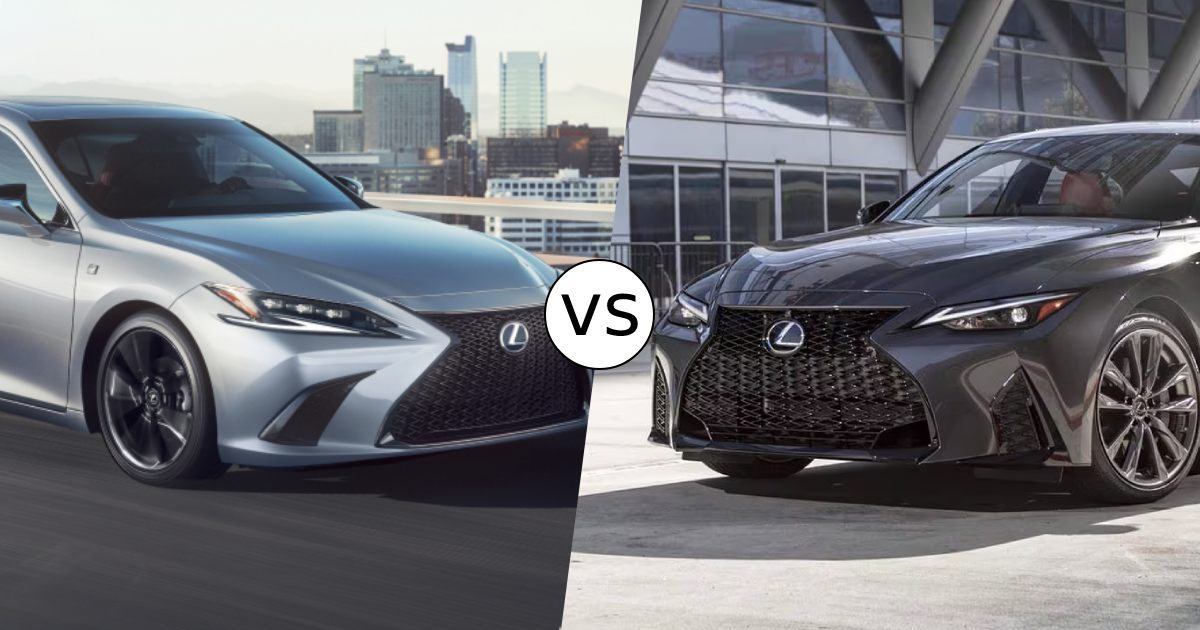
The Lexus IS and ES sedans appear similar at first glance. Both vehicles have sleek exteriors, premium interiors, and impressive powertrain options. These cars have the cutting-edge tech you crave and the luxury features you deserve. But they do differ in some ways. Join us as we compare the Lexus IS vs. ES sedans and find out which vehicle suits you best. Introduction to the Lexus IS and ES Models The Lexus IS competes in the sport sedan segment, while the Lexus ES sedan competes in the full-size sedan category. Lexus gave the IS sedan a low, imposing stance and dramatic lines, resulting in an aggressive style. The ES sedan has an elegant exterior with sleek, coupe-like lines and a provocative grille framed by LED headlamps. If you're focused on performance, you'll lean toward the IS sedan for its more spirited driving dynamics. The ES sedan makes sense if you prefer to be cradled in comfort and enjoy a luxurious driving experience. Pricing and Value for Money Both vehicles have similar starting MSRPs. The IS has 12 trim levels and the ES has ten, so you'll likely find one that fits your style and budget. The Lexus brand has a reputation for quality and value. No matter which sedan you choose, you'll enjoy the performance and comfort of a Lexus. 2025 Lexus IS and ES Price Analysis The Lexus IS and ES have different drivetrains, engine options, and equipment levels that also affect pricing. Here's a breakdown of the pricing by model and trim. Lexus IS Trim Level MSRP Lexus ES Trim Level MSRP IS 300 $41,610 ES 250 AWD $43,215 IS 300 AWD $43,610 ES 250 Luxury AWD $48,385 IS 300 F SPORT Design $43,580 ES 250 Ultra Luxury AWD $52,105 IS 300 F SPORT Design AWD $45,620 ES 250 F SPORT Design AWD $47,800 IS 300 F SPORT $45,655 ES 350 $43,215 IS 300 F SPORT AWD $47,695 ES 350 Luxury $48,385 IS 350 F SPORT Design $44,935 ES 350 Ultra Luxury $52,105 IS 350 F SPORT Design AWD $46,935 ES 350 F SPORT Design $47,800 IS 350 F SPORT $47,010 ES 350 F SPORT Handling $49,675 IS 350 F SPORT AWD $49,010 ES Black Line Special Edition $53,640 IS 500 F SPORT Performance $60,595 IS 500 F SPORT Performance Premium $65,095 Lease and Financing Offers for Both Models Lexus of Stevens Creek has competitive pricing on all of our vehicles. We offer a rotating list of lease and financing specials to add even more value. Buyers come from all around San Jose to take advantage of these offers. Current and former military personnel and recent or upcoming college graduates can also take advantage of our $1,000 rebate as a token of our appreciation. Lexus IS Engine Specifications The rear-wheel-drive Lexus IS 300, IS 300 F SPORT Design, and IS 300 F SPORT have a 2.0-liter I-4 turbocharged engine paired with an eight-speed automatic transmission with paddle shifters. This powertrain produces 241 horsepower and 258 lb-ft of torque. The EPA estimates these vehicles get 21 mpg in the city and 31 mpg on the highway. The Lexus IS 300 AWD, IS 300 F SPORT Design AWD, and IS 300 F SPORT AWD upgrade to a 3.5-liter V-6 engine attached to a six-speed automatic transmission with paddle shifters. This powertrain makes 260 horsepower and 236 lb-ft of torque. These models get 19 mpg on surface roads and 26 mpg on the freeway. The Lexus IS 350 series uses the same 3.5-liter V-6 and an eight-speed automatic transmission with paddle shifters. This powertrain increases output to 311 horsepower and 280 lb-ft of torque thanks to the transmission upgrade. Rear-wheel-drive models get 20 mpg in the city and 28 mpg on the highway. AWD trims have ratings of 19 mpg around town and 26 mpg on the interstate. You get a 5.0-liter V-8 engine and eight-speed automatic transmission with paddle shifters in the IS 500 series sedans. This powertrain produces an impressive 472 horsepower and 395 lb-ft of torque with a slight dip in efficiency ratings of 17 mpg in the city and 25 mpg on the highway. Lexus ES Engine Specifications The Lexus ES 250 series sedan has standard all-wheel drive, a 2.5-liter I-4 turbocharged engine, and an eight-speed automatic transmission. This powertrain makes 203 horsepower and 184 lb-ft of torque. The EPA estimates these sedans get 25 mpg in the city and 34 mpg on the highway. Lexus ES 350 series sedans have standard front-wheel drive, a 3.5-liter V-6 engine, and an eight-speed automatic transmission. This configuration produces 302 horsepower and 267 lb-ft of torque with efficiency ratings of 22 mpg in the city and 32 mpg on the highway. 2025 Lexus IS vs. Lexus ES: Which One Is for You? Lexus built its IS sedan with sportier driving dynamics and offers V-8 power that may appeal to you if you like straight-line speed and carving corners. The ES sedan has more refined characteristics, and it's ideal if you appreciate a smooth, effortless ride. Both models offer a variety of engine options and trims so that you can customize your IS or ES to exactly what you want. Choose Between the Lexus IS and ES at Lexus of Stevens Creek Lexus of Stevens Creek has an expansive inventory of IS and ES sedans at competitive prices. We invite you to shop our online inventory of new and used cars for sale to find out more. You can always visit our Stevens Creek Boulevard showroom and speak with one of our friendly, knowledgeable staff members. They'll answer your questions and coordinate test-drives of both vehicles to help you find the perfect car for your lifestyle and budget.

Contact Us

Fill out this form below and we'll contact you shortly
*Required Fields