Blog / Car Tips

Blog

All Car Tips New Inventory Local Comparison Review Lexus News Community Sneak Peek Vehicle Showcase Pre-Owned
Lexus Plugged In

Hybrid vs Plug-in Hybrid vs Electric: What's the Difference?

Over the last two decades, the emergence of hybrid, hybrid plug-ins, and electric vehicles has transformed the automotive industry. As a new vehicle shopper, you can now choose new, future-forward vehicles that benefit from reduced fuel consumption and lower emissions, along with the tremendous on-road performance you've always expected from Lexus. But what is a hybrid or hybrid plug-in vehicle, and how do they compare to an electric vehicle? In this concise guide, we'll explain the need-to-know differences between hybrid, hybrid electric, and electric cars to help you choose the Lexus that's right for you. more What Is a Hybrid Vehicle? Hybrid or hybrid electric vehicles have an internal combustion engine (ICE) and an electric motor with a battery pack, which means they can run on fuel or electricity, usually only burning gasoline or diesel when needed. By automatically alternating between these two power sources, a hybrid vehicle can achieve outstanding fuel efficiency, particularly in urban settings where there is a lot of stop-and-go driving. You don't need to plug your vehicle in with a conventional hybrid. The vehicle battery is recharged by motors within the car, particularly when braking. Suppose you have a battery, electric motor, and ICE onboard; this limits the size and capacity of your battery, restricting the maximum battery-powered driving range. What Is a Plug-In Hybrid Electric Vehicle? Plug-in hybrid electric vehicles possess a battery that you can charge externally by plugging it in, just like an electric vehicle. Plug-in hybrid electric vehicles typically have a bigger battery than a basic hybrid vehicle and a much longer battery-powered driving range. They'll utilize their all-electric driving range until the battery runs low. At this point, the car switches over to gas-powered driving, operating like a standard hybrid vehicle. Plug-in hybrid electric vehicles are a true middle ground between a conventional ICE vehicle and an electric vehicle. They offer a much greater electric driving range, operating like a standard electric vehicle, with a gas engine backup for longer journeys and higher speeds. With an ICE, plug-in hybrids have a much greater range, providing peace of mind that your vehicle won't run out of charge. But, like an electric vehicle, the plug-in hybrid electric battery will need daily charging, which keeps your vehicle's gasoline requirements low. What Is an Electric Vehicle? Electric vehicles are 100% electric powered. They possess an electric motor that gets its power from an onboard battery. You charge the battery externally via a domestic outlet or dedicated charging point while on the move. These zero-emission vehicles have a driving range determined by the battery's size, measured in kilowatt-hours. For example, a 32.6 kWh battery can deliver a driving range of up to 150 miles. A 100 kWh battery can power an electric driving range of over 400 miles. The availability and speed of charging an electric vehicle are the most critical limiting factors for its performance. While you can charge these vehicles via a regular power outlet, known as level-one charging, the process can take a long time. A solution is to use dedicated power outlets that deliver quicker, level-two charging. However, this requires the added expense of installing a suitable outlet or using charging stations. Hybrid vs. Plug-In Hybrid vs. Electric Vehicles: Which One's Right for You? If you're thinking about hybrid and electric vehicles, you clearly understand some of the benefits of electric-powered driving. It's simply a question of whether or not you want to retain some gas-powered driving with your vehicle. Electric vehicles depend on timely access to charging. Over time, the capacity of the battery and driving range on a full charge will diminish, especially if you routinely drive at highway speeds. Opting for a hybrid electric vehicle means you'll have the security of an ICE and gas-powered driving should your electric range diminish. Hybrid and plug-in hybrid electric vehicles also provide the convenience of not being dependent on charging stations, so you won't need to search for charging stations on your road trips. Are Plug-In Hybrid Electric Vehicles Worth It? Convenience is the most essential factor when considering hybrid vs. plug-in hybrid electric cars. Plug-in hybrid electric vehicles are a great choice if you want to reduce emissions without committing to an all-electric car. As the owner of a plug-in hybrid electric vehicle, you may also be eligible for federal tax credits, which aren't available to hybrid vehicle owners. However, regular hybrid vehicle owners don't have to deal with the burden, responsibilities, and additional upfront costs associated with charging their vehicles. They also get better fuel economy for highway driving, as the battery depletes faster at higher speeds. Standard hybrid models are also more common, varied, and often less expensive than plug-in hybrid electric vehicles. A plug-in hybrid electric vehicle that you primarily use for short journeys is a great choice for a commuter or family ride. You'll need to charge it every day, and as long as your journeys are within the range of the plug-in hybrid vehicle you choose, you shouldn't need to head to the gas station too often. Talk to Lexus of Stevens Creek About Your Hybrid, Plug-In Hybrid, or Electric Vehicle Requirements Visiting our dealership on Stevens Creek Boulevard in San Jose, California, is the best way to establish which vehicle type is best for you. We're on hand to show you our impressive inventory of hybrid, plug-in hybrid, and electric vehicle models, taking you through an in-depth comparison, including tax credits and other federal benefits that may be available. Our team is available to walk you through all your options and looks forward to offering some outstanding vehicles for you to take out for test drives. Please feel free to reach out to us today.
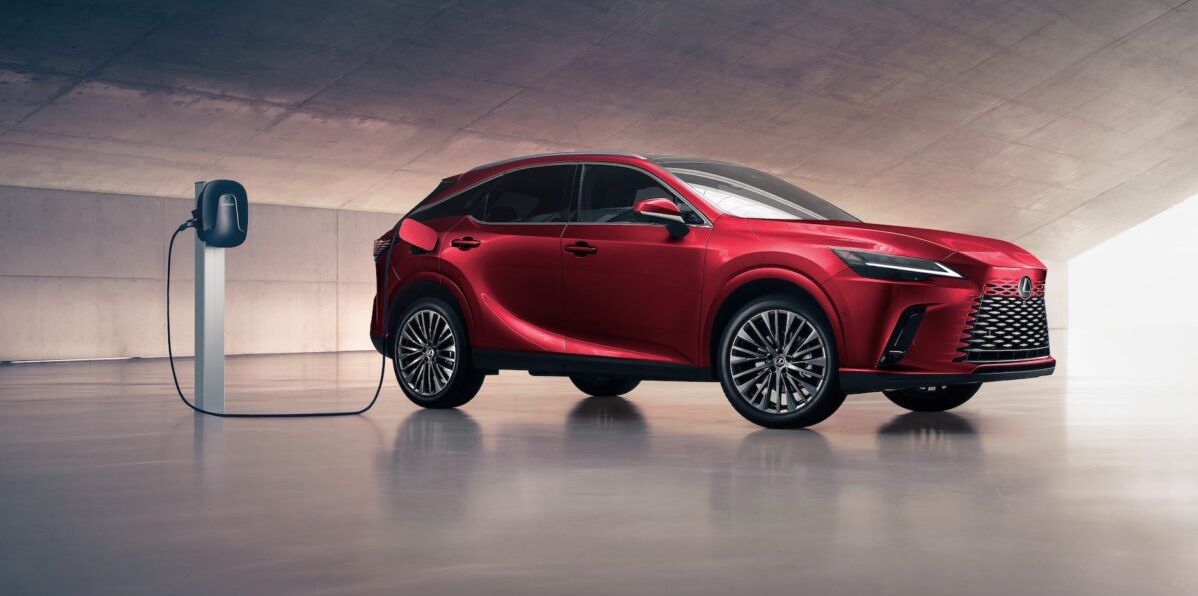
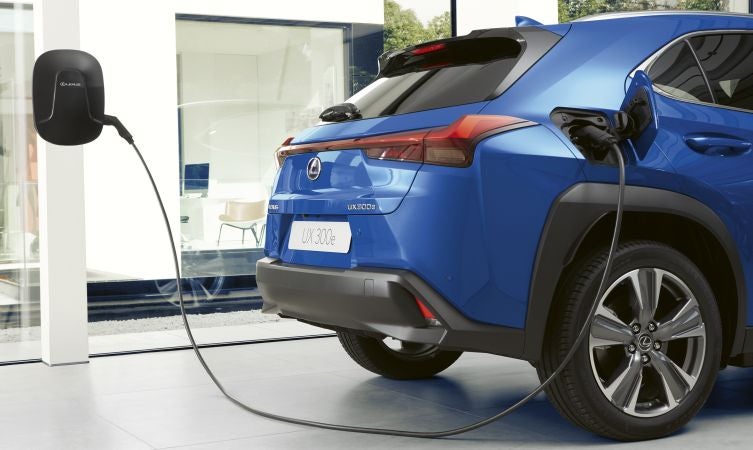
Lexus Charging EV

How Often Do EVs Need Maintenance?

In the rapidly evolving landscape of personal transportation, electric vehicles (EVs) are emerging as the frontrunners for the future of eco-friendly and efficient driving. With their rise in popularity, potential owners and enthusiasts want to understand how the maintenance of EVs differs from traditional gasoline-powered vehicles. This comprehensive list of FAQs from our team at Lexus Stevens Creek demystifies EV maintenance, offering insights into the unique care requirements of these innovative machines. By answering common maintenance questions, this guide will equip you with the knowledge to keep your EV running smoothly, maximizing performance and longevity. more What Maintenance Does an EV Need? While known for their simplicity and efficiency, EVs still require regular maintenance to ensure the best performance. The foundation of EV care lies in battery maintenance. Unlike gasoline engines that have many moving parts, an EV's battery pack is the lifeline that powers the vehicle. It's crucial to regularly monitor the battery's health, including its state of charge, temperature, and overall condition. Overcharging or exposing the battery to extreme temperatures can diminish its capacity and shorten its life span. The electrical system, including the motor and onboard charging components, also requires periodic inspections to prevent wear and ensure they work efficiently. Like with any advanced technology, software updates are critical to EV maintenance and ownership, as manufacturers continuously release updates to improve vehicle performance, battery management, and safety features. Routine checks should also include tire rotations and inspections, brake fluid replacements — though less frequently due to regenerative braking — and cabin air filter changes. Unlike vehicles with internal combustion engines, EVs bypass the need for oil changes, emissions testing, and exhaust system repairs, offering a cleaner and more straightforward maintenance routine. Are EVs High Maintenance? There is a general perception that EVs require more maintenance than vehicles with internal combustion engines, which is largely unfounded. In fact, EVs typically require less routine maintenance than their traditional gas-powered counterparts. This is primarily due to their fewer moving parts and the absence of a conventional engine, transmission, and exhaust system. For instance, EVs do not need oil changes, spark plug replacements, or timing belt changes, which are standard maintenance requirements with gasoline vehicles. However, it's important to note that while the day-to-day maintenance of EVs is generally lower, the cost of replacing major components, such as the battery pack, can be significant. Battery technology continues to advance, increasing life spans and reducing replacement costs, but it remains a consideration for potential EV owners. Long-term, the maintenance costs for EVs are often lower than gas-powered vehicles, thanks to their durability and the reduced need for parts and labor. What's more, many EVs come with comprehensive warranties, specifically ones covering the battery and electric motor, further decreasing maintenance concerns. What Parts Wear Out on an Electric Car? While EVs are typically durable, certain parts may wear out over time, as with any vehicle. The most notable component is the battery pack. Over years of use and recharge cycles, an EV's battery can experience reduced capacity, affecting the vehicle's range and overall performance. Various factors, including charging habits, usage patterns, and exposure to extreme temperatures, can influence battery longevity. The electric motor, another critical component, is remarkably efficient and durable. However, bearings within the motor can wear out after extensive use, potentially requiring maintenance or replacement. Similarly, the onboard charger and inverter, which convert AC electricity from the grid to DC electricity for the battery, can experience wear but are generally reliable over your vehicle's life span. Electric cars typically experience less brake pad and disc wear than traditional vehicles due to their regenerative braking systems, which recharge the battery during braking. While regenerative brakes reduce the reliance on the traditional friction braking system, the components will eventually wear out and need replacing. Tires can also wear out faster on EVs than internal combustion vehicles due to their instant torque and generally heavier weight. Ensuring proper tire maintenance, including regular rotations, balancing, and alignments, can help extend the life span of your EV's tires. How Can EV Maintenance Costs Be Reduced? You can adopt several strategies to minimize the maintenance costs of your EV. Following the manufacturer's recommended maintenance schedule ensures that your vehicle operates efficiently and that you address potential issues promptly. Regular software updates can enhance battery management, improve vehicle functionalities, and sometimes even increase your EV's range. Practicing good battery care by avoiding regular deep discharges and not consistently charging to 100% can prolong your battery's life. Utilizing regenerative braking to its fullest also reduces wear on mechanical braking components, further lowering maintenance needs. Finally, being mindful of driving habits, such as avoiding aggressive acceleration, can reduce wear on both the battery and the drivetrain components. What Is the Future of Luxury Lexus EVs? Lexus is at the forefront as we navigate the future of luxury EVs, offering an exquisite lineup of electric models that combine luxury, cutting-edge technology, and sustainability. Its EVs are a testament to Lexus's commitment to excellence, boasting superior performance, unparalleled comfort, and eco-friendly innovation and setting new standards in the EV market. Lexus designs each model with meticulous craftsmanship and advanced features synonymous with the brand, ensuring an exhilarating and environmentally responsible driving experience. Don't miss the opportunity to be part of this electrifying journey. Visit our Lexus Stevens Creek dealership today to explore the full range of Lexus EVs. Reserve your Lexus EV now, and embrace a future where luxury and sustainability go hand in hand. Join us in driving toward a green, sustainable world with Lexus. Are You Ready To Embrace the Future of EV Ownership? Owning an EV minimizes maintenance costs and provides a cost-effective driving experience. Advances in technology and best practices for EV care ensure reliability and efficiency. As we move toward a sustainable future, EVs present a compelling alternative to traditional internal combustion cars. By meeting basic maintenance needs, you can enjoy your EV for years and contribute to the evolution of clean, sustainable transportation. Contact our Lexus Stevens Creek team today if you have any questions regarding EV ownership and care.

Car Charging Guide

Tips for First-Time EV Buyers

In recent years, there's been a big push for drivers to make the switch to electric vehicles (EVs). This can be a great move for those with short commutes or who don't need to drive long distances. If you're considering making your next vehicle an electric model, it's important to understand the drawbacks and how to overcome them so you know what you're getting into. In this guide, you'll learn about potential issues that come with driving an EV and what you can do to make EV ownership the best possible experience. more Driving Range Driving range is one of the biggest concerns people have about EV ownership and for good reason. On average, today's EVs can go about 234 miles before they need to recharge compared to around 400 miles for a gasoline vehicle. Although this may seem like a wide gap, most people only drive about 37 miles per day on average. This means that an EV for the average driver will provide plenty of drive time between charges. Charging Locations The EV charging network is not as extensive as the infrastructure for gas vehicles. So, it can require more planning on your part if you want to charge your vehicle while you're traveling. Larger cities like San Jose, California, have more charging locations than you'll find in less densely populated areas. You can always charge your EV at home by plugging into a standard 120-volt outlet, but for fast charging, you'll want to find a public charger that offers this option. Using an app can help you find local chargers that will work for your EV. Charging Times An electric vehicle takes longer to charge than a gas-powered vehicle takes to refuel. So, it's important to keep track of where your battery power is and not let it get too low. While you can replenish some battery power in as little as 30 to 45 minutes, getting a full charge typically takes six to 12 hours depending on the EV and type of charger you use. Charging your vehicle overnight is often the best way to ensure it's full and ready to go when you need it. Initial Cost As you shop for an EV, you'll discover they have a higher initial cost to buy when compared to similar nonelectric vehicles. This is because of the high cost of producing the batteries that power these cars. The higher price tag can deter some buyers, but if you're interested in owning an EV, consider the other benefits that you'll enjoy before you make your final decision. Battery Cost As we mentioned, the batteries for EVs are expensive. If you have to replace the battery in your EV, it won't be cheap. Fortunately, most EVs offer extensive warranties that cover batteries for up to 10 years. Additionally, many manufacturers create EV batteries to last at least 10 years, if not more. Temperature Effects If you live in a climate where the temperature stays above 50 degrees, then an EV could be the ideal vehicle. However, lower temperatures will affect battery performance. When the temperature outside falls below 50 degrees, your battery will lose its charge faster, and temperatures in the freezing range could affect your battery even more. This means you'll need to charge the battery more often, plus you may not maintain the same driving range you're used to during colder times of the year. Repairs and Maintenance Although the number of EVs on the market is increasing, these vehicles are still fairly new. This means that finding someone who can carry out repairs and maintenance on your EV might be a challenge. These vehicles don't have the same parts or mechanics as a car with an internal combustion engine, so not everyone understands how to care for them properly. Some mechanics won't even work on an EV, so make sure you find someone who can help maintain your EV so it continues to run as it should. Power Outages You need power to charge your EV, but what happens if the power goes out? A power outage can make charging your battery impossible, and rolling blackouts and normally scheduled power shutoffs are quite common in some places, including California. Regularly charging your EV is one way to help prevent issues when the power goes out. You may also want to have a generator or backup ride just in case your power is out for more than a day. Vehicle Selection Automakers are working to increase the types of EVs available to consumers, but the selection is still limited. So, you won't have as many options when shopping for an EV as you do when buying a gas vehicle. By shopping around and researching what's out there, you can find an EV that works for you. More companies are bringing SUVs to the playing field, and there are even some trucks entering the EV market. Towing Ability Some EVs don't offer much in the way of towing capacity, so if you need a vehicle that can tow a load, you may have trouble finding something in the EV class. Although there are models available that have some towing capacity, the driving range is likely to be greatly affected when you have a load to pull. If you decide you want to tow with your EV, make sure you understand how it will affect your driving range. Learn More About EV Ownership at Lexus of Stevens Creek Driving an EV has many benefits, but it can be a big difference from driving a gas-powered model. Knowing the issues you might encounter when switching to an EV can help you overcome them. If you want to learn more about EV ownership or find out about our EV inventory, contact us today. We'll answer your questions and show you what we have available. We can even take you for a test drive in your favorite EV model. green and white number 2 by Michael Marais is licensed with Unsplash License

When Do I Need To Change To Snow Tires On My Lexus?

As winter approaches, you'll want to start prepping your vehicle for inclement weather. The National Highway Traffic Administration recommends several steps to prepare for winter driving. These include having an emergency kit in your vehicle, ensuring that your windshield wipers are in top shape, and replacing your summer tires with snow or winter tires. Having specialized snow tires made by a reputable tire brand installed on your Lexus can give you peace of mind that you'll have grip and stopping power when you need it most while driving on snowy and icy roads when the temperature plummets. more What Are Snow Tires? Snow or winter tires are specialized tires designed to grip snowy, icy, or slushy roads, which may occur when the temperature falls below 45 to 40 degrees Fahrenheit. Tire manufacturers use a different type of tread rubber called hydrophilic (water-loving) rubber for winter tires. This type of rubber stays soft and flexible during cold weather and grips the road's surface more readily than summer or all-season tires. Winter tires also have a different tread design than all-season tires. Snow tires have larger grooves between the lugs, which are irregularly shaped parts of the tire tread pattern. The tread depths are deeper on winter tires, and you'll find more slots and sipes (tiny slits) that can more easily bite into the edges of ice and snow. The tread rubber on winter tires helps with extra traction and grip on snowy or icy roads; the deep tread patterns help the tire dig deeper into the snow and ice, while sipes and slits help channel water out and away from the tire. This combination helps you control your Lexus when driving on unpredictable winter roads. Even if your Lexus has all-wheel or four-wheel drive, you'll get optimum grip, stopping power, and performance when you have winter tires installed. When Is the Best Time To Switch to Snow Tires? When you see consistent temperatures below 45 degrees Fahrenheit, schedule a time to have your winter tires installed. The time frame will vary depending on where you live, but you should generally consider changing them out in mid- or late fall. You can bring your Lexus to our Lexus dealership and have us install new winter tires. You'll bring your summer or all-season tires home and store them during the winter. To save time and effort, consider having your snow tires and all-season tires mounted on dedicated wheels that meet your Lexus's specifications. You can then bring your mounted tires to our Lexus dealership, and we'll simply take your summer tires mounted on wheels off. We'll then install the mounted winter tires and wheels on your Lexus and send you home with your all-season tires and wheels to store. In reverse, when the weather climbs above 45 degrees Fahrenheit, bring your Lexus into the Lexus tire center to have the winter tires and wheels removed and your all-season tires and wheels installed. As part of our service at Lexus of Stevens Creek, we put your winter tires on in the fall before the storms roll in, and when the winter weather stops, we put your summer tires back on. How To Care for Winter and Seasonal Tires Once installed, keep your winter tires at the manufacturer's recommended psi. Having the proper psi increases your Lexus's stability and control and helps extend the tires’ life span. Ask one of our tire experts at Lexus of Stevens Creek about the perfect psi for the specific tire brand and your Lexus model. Before storing your seasonal tires, clean them so they're free from dirt, debris, and any tire dressings. Allow them to dry thoroughly before storing them. Once dry, place each tire in an airtight plastic bag, such as a lawn or leaf bag, and seal the bag tight. Be sure to remove any extra air from the bag. Next, place the individual wrapped tires in a cool dark location, preferably indoors. If the tires are mounted on rims, stack them on top of each other. If the tires are off the rim, stack them standing upright. Avoid placing the tires in direct sunlight or near furnaces or water heaters to avoid exposure to ultraviolet rays and ozone, which can cause cracks and deterioration of the tires. Top Tire Brands for Your Lexus At Lexus of Stevens Creek, we carry tire brands designed to fit your Lexus for optimum performance. We can get you the perfect winter tire from the following reputable tire brands: Bridgestone Bridgestone carries Blizzak tires for optimal winter driving performance. They come in various sizes, so we can find the right one for your Lexus. Continental Tire Continental offers three brands of winter tires based on the type of vehicle you drive and the severity of driving conditions: VikingContact 7. VanContact Winter. Continental WinterContact TS 830 P. Dunlop Dunlop and Goodyear recently merged, and the brand offers several winter tires based on the type of driving you do and what type of Lexus you drive. Snow tires include: WinterCommand Ultra. Winter Maxx 2. Winter Maxx SJ8. Eagle UltraGrip GW-3. Grandtrek SJ6. UltraGrip 8 Performance. Michelin You have seven winter tire choices from Michelin: X-Ice Snow. Pilot Alpin 5. Pilot Alpin 5 SUV. X-Ice Xi3. Pilot Alpin PA4. Latitude Alpin 2. Latitude Alpin. Yokohama Yokohama also offers seven winter tires, including the following: BluEarth Winter V905. BluEarth Winter V906. BluEarth Winter V906 SUV. iceGUARD G075. iceGUARD iG51v. iceGUARD iG52c. iceGUARD iG53. Get the Right Seasonal Tires for Your Lexus When you live in a cold area with snow, ice, and slush, winter tires are essential for your safety. At Lexus of Stevens Creek in San Jose, California, we carry a wide range of high-quality seasonal tires, including snow tires, to help you navigate icy and snowy roads. Stop by our dealership's tire center to browse our inventory of snow tires. Our professional tire experts will help you find the perfect tires for all your winter travels. Contact our team to schedule a time for service and to have your tires installed. Traction Curve by tuchodi is licensed with CC BY 2.0

Red Lexus Safety

Is Lexus One of the Safest Cars?

Your and your passengers’ safety inside a car is always important, regardless of the destination. From long road trips to short trips to the mall or through the city, you want to ensure everyone's protection when driving in your Lexus. The latest models offer an impressive suite of safety features such as lane-keeping and braking assist. Browse the new Lexus car inventory at your local Lexus dealership in San Jose, California, for the best-quality safety systems to help everyone reach their destination safely. more What Standard Safety Features Does Lexus Offer? Lexus believes in protecting its drivers and passengers as well as pedestrians and other people who drive Lexus vehicles. You can achieve this protection through collision prevention. That's why Lexus equips every vehicle made in 2020 and sooner with the Lexus Safety System+, a standard in upholding the best safety equipment possible. Take a deeper look into the standard safety features included in this incredible system. Pre-Collision With Pedestrian Detection Lexus engineered the Pre-Collision with Pedestrian Detection system to help prevent collisions and keep everyone safe from harm. This system may detect pedestrians crossing in front of your car and may also notice other vehicles with its Vehicle Detection capability. If the system detects a forward collision, Brake Assist automatically prepares the car to stop with additional braking power. However, even with this system, you should still practice driving safely and engage the brake wherever necessary. Lane Departure Alert Lane Departure Alert is a helpful device that alerts you when you begin to drift into another lane. It utilizes an in-vehicle camera to monitor the yellow and white lane markers on the road and use them as a guide to keep your vehicle centered. A visual and audible alert sounds if you unexpectedly enter the lane next to you, prompting you to double-check your surroundings to stay safe. Intelligent High Beams Worrying about not seeing enough of the road at night is no longer a problem with Lexus' Intelligent High Beams. The added illumination from the headlamps enhances your road visibility without bothering other drivers. This system works to automatically turn on the high beams when the road is clear. When it detects the taillights or headlights of another vehicle, the Intelligent High Beams revert to low-beam mode. These high beams promote better safety by helping provide early detection of pedestrians or other obstacles on the road. Dynamic Radar Cruise Control Cruise control is convenient; it allows you to reach your desired speed, press a button to set it, and relax your legs as you drive. While it optimizes your driving experience, it must include innovative technology to help you stay safe. The Lexus High-Speed Dynamic Radar Cruise Control system maintains a consistent speed and includes a vehicle-to-vehicle distance control mode. This mode helps adjust your speed when the car in front of you is driving at a lower speed. Dynamic Radar Cruise Control utilizes a grille-mounted millimeter-wave radar and in-vehicle camera to detect vehicles ahead of you. The system will automatically slow your car down and bring you back up to your desired speed once the road is clear. For the extra safety enhancements on this feature and more, Lexus equips some of its newest models with the Lexus Safety System+ 3.0. What Is the Lexus Safety System+ 3.0? The Lexus Safety System+ 3.0 offers enhanced vehicle protection for select models. The system boosts the existing pre-collision system and adaptive cruise control to offer the most comprehensive safety system a Lexus can provide. Below are the additional components included in this advanced safety system. Curve Speed Management Lexus adds Curve Speed Management to its existing Dynamic Radar Cruise Control as part of the Lexus Safety System+ 3.0 package. This function uses technology to detect upcoming curves in the road while you're using the cruise control system. Before you reach the turn, the Curve Speed Management technology will reduce the vehicle's speed to take on this part of the road safely. Additional Intersection Support Your Lexus's enhanced radar and camera capabilities work together to protect you and others during the daytime and in low-light conditions. Because of the optimized radar and camera and Lexus' standard safety features, the Lexus Safety System+ 3.0 can provide Additional Intersection Support to select models. This system helps monitor your surroundings when stopped at an intersection to ensure you drive through it safely at the appropriate time. The Additional Intersection Support offers a Right/Left Turn Oncoming Pedestrian Detection/Braking and Front to Front Oncoming Car Detection. With this support, the system can detect oncoming vehicles, vehicles crossing the intersection, bicyclists, and pedestrians in certain situations. For example, suppose you turn left at an intersection, and the safety system detects a potential frontal collision. In that case, the Risk Avoidance Emergency Steer Assist will help your vehicle avoid a collision. What Other Features Make a Lexus a Safe Car? On top of the outstanding Lexus Safety System+ 3.0, the manufacturer presents an optional subscription service to help you in case of an emergency. At the push of a button, the Lexus Enform Safety Connect enables you to reach the Lexus 24/7 response center. If an accident occurs, the system automatically connects to emergency service responders. Safety Connect also includes roadside assistance and will give your vehicle's GPS coordinates to safety personnel as needed. Which Lexus Vehicles Offer the Lexus Safety System+ 3.0? Looking for the safest luxury compact or an all-electric SUV? What about a CUV that's a cross between a sedan and an SUV with the best safety features? Consider purchasing the following 2023 and newer Lexus models and trim levels to ensure your vehicle comes with the Lexus Safety System+ 3.0: Luxury compact SUV: Lexus NX, Lexus NXh, Lexus NXh+. Luxury midsize SUV: Lexus RX, Lexus RXh. Luxury all-electric SUV: Lexus RZ. Learn More About Lexus at Your Local Dealership Are you curious to discover more about Lexus Safety Systems? Contact Lexus of Stevens Creek at 408-899-5789 for additional information. Serving San Jose, California, our expert staff goes the extra mile to answer any questions you have. If you're in the market for a new luxury vehicle, we'll set you up with a test drive and help you secure financing. Let us assist you in buying the safest Lexus so you can travel wherever you desire with the best protection available. a red car parked on the side of the road by NAM CZ is licensed with Unsplash License

Why Lexus Paint looks so good

Why Does Lexus Paint Look So Good?

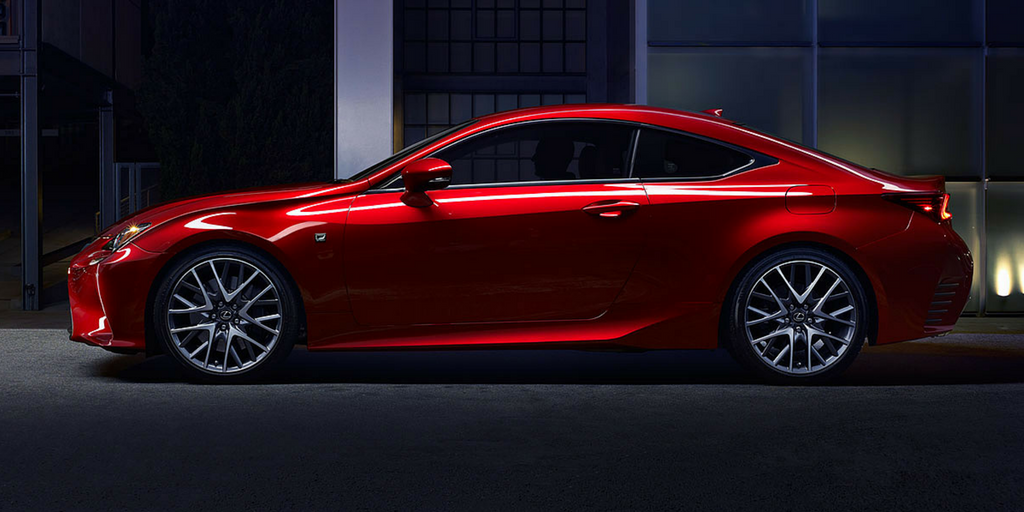
When you look at a vehicle, the first thing that catches your eye is probably the paint color. A car's exterior color significantly impacts its appeal as it can convey messages and influence moods. Sometimes, it's also an extension of the driver's personality. Many auto manufacturers have invested a lot of resources in this aesthetic aspect of their vehicles. However, Lexus has surged ahead of its competitors by creating distinctive and visually intriguing paint colors of the finest quality. Let's look at a few reasons why the paint on Lexus cars looks exceptionally beautiful. more Lexus Has a Dedicated Team of Color Designers Lexus has assembled a dedicated team of paint color designers to make its vehicles stand out from the crowd. These designers specialize in developing new paint hues and innovative color-layering techniques to achieve visual effects that leave a lasting impression. Sometimes, it takes over a year to create a new paint color for Lexus cars; the process involves gathering detailed input from in-house color designers and actual Lexus drivers. As a premium automaker, Lexus doesn't skimp on quality or take shortcuts. Instead of painting its vehicles with off-the-shelf colors, the company has devoted decades of research to devising its own unique colors. Also, it uses only top-quality paint from Kansai Paint, one of the leading automotive paint manufacturers in the world. The final decision on each color is made only after a grueling process of evaluating hundreds of experimental samples. Lexus Paint Is Designed To Look Great in a Real-World Environment Lexus paint not only looks good in the lab, but it's also visually stunning outdoors. One of the reasons the automaker's paint development process spans more than a year is that its designers want to see how different shades look in spring, summer, fall, and winter. Lexus has built a special facility with floor-to-ceiling windows to examine its paint colors under natural light. From inside, paint designers have an unobstructed view of an adjacent outdoor display area with an asphalt surface. It embedded remote-controlled turntables in the asphalt to view vehicles from many angles. This is how the designers get a feel for a particular color's appearance on a vehicle's body and assess its ability to look fantastic in a real-world environment at different times of the day. So you can be confident that your Lexus vehicle will remain eye-pleasing wherever and whenever you drive it. Many Lexus Paint Colors Have a Story The paint designers working for Lexus often create unique paint colors by drawing inspiration from their personal experiences. For instance, the first-generation Lexus NX came with the carefully developed Eminent White Pearl paint color when it debuted in the mid-2010s. This mesmerizing color originated from a Lexus paint designer who wanted to capture the breathtaking winter landscape at her childhood home in Hokkaido, Japan. Lexus Develops Paint Colors With Carefully Chosen Layers Paint colors from Lexus are developed with multiple layers to deliver distinctive visual effects under different angles and lights. For example, the Sonic colors available on some Lexus vehicles have five extremely thin layers of paint made up of compressed pigments. Some of them are hand-polished to produce a striking contrast of light and shade. When painting a vehicle, Lexus' paint technicians first apply two base layers to protect the body from wear and rust. Then, they add three differently colored layers that combine to achieve the actual color effect. In some cases, the colored layers contain microscopic metal chips that enhance their ability to capture light, making the paint shine in both sunny and cloudy weather. Lexus Paint Has Scratch-Resistant Properties Lexus not only wants its paint colors to look great but also goes the extra mile to ensure they remain attractive for a long time. One of the automaker's most impressive paint technologies is its scratch-resistant paint. Available on selected Lexus models, this type of paint has a remarkable ability to restore itself if it sustains a ring scratch or other kinds of minor damage. It can help slow down or prevent luster degradation that results from surface scratches and preserve the original color of the paint over time. Lexus makes its scratch-resistant paint with a molecular bonding technique that improves the density and flexibility of the top coating. The technology creates a protective, elastic shell that's capable of absorbing impact and then returning to normal, similar to a spring under pressure. As a result, the paint is more resilient to scratches and damage than other types of automotive paint. Lexus' Paint-Application Craftspeople Have Undergone Intensive Training At Lexus' manufacturing facilities, the technicians who apply paint layers to the vehicles have met strict training and skill requirements to ensure that they're masters at what they do. The training includes learning precise body postures and movements when applying paint, and they have their stances photographed and analyzed to help them maintain and improve their skills. Additionally, the paint-application work of the technicians is subject to rigorous inspection. During the initial production run for a new Lexus model, a team of color evaluators will carefully examine how the new colors appear and determine which vehicles pass or fail to meet Lexus' strict paint quality standards. It isn't uncommon for cars to be taken off the assembly line and sent to master artisans or paint Takumi for manual respraying. Get a Lexus With Awe-Inspiring Paint at Lexus of Stevens Creek Regardless of which Lexus model you buy, you'll have a vehicle with an excellent paint job that makes a striking statement on the road. If you're considering getting a new or used Lexus in San Jose, California, we invite you to drop by our Lexus of Stevens Creek dealership to check out our fantastic inventory. With one of the largest selections of Lexus vehicles in the San Jose area, our dealership can provide you with a great-looking model that matches your unique taste and lifestyle. Contact us to schedule a test drive.

Lexus Service on a Lift

What's the Suggested Maintenance Schedule for a Lexus?

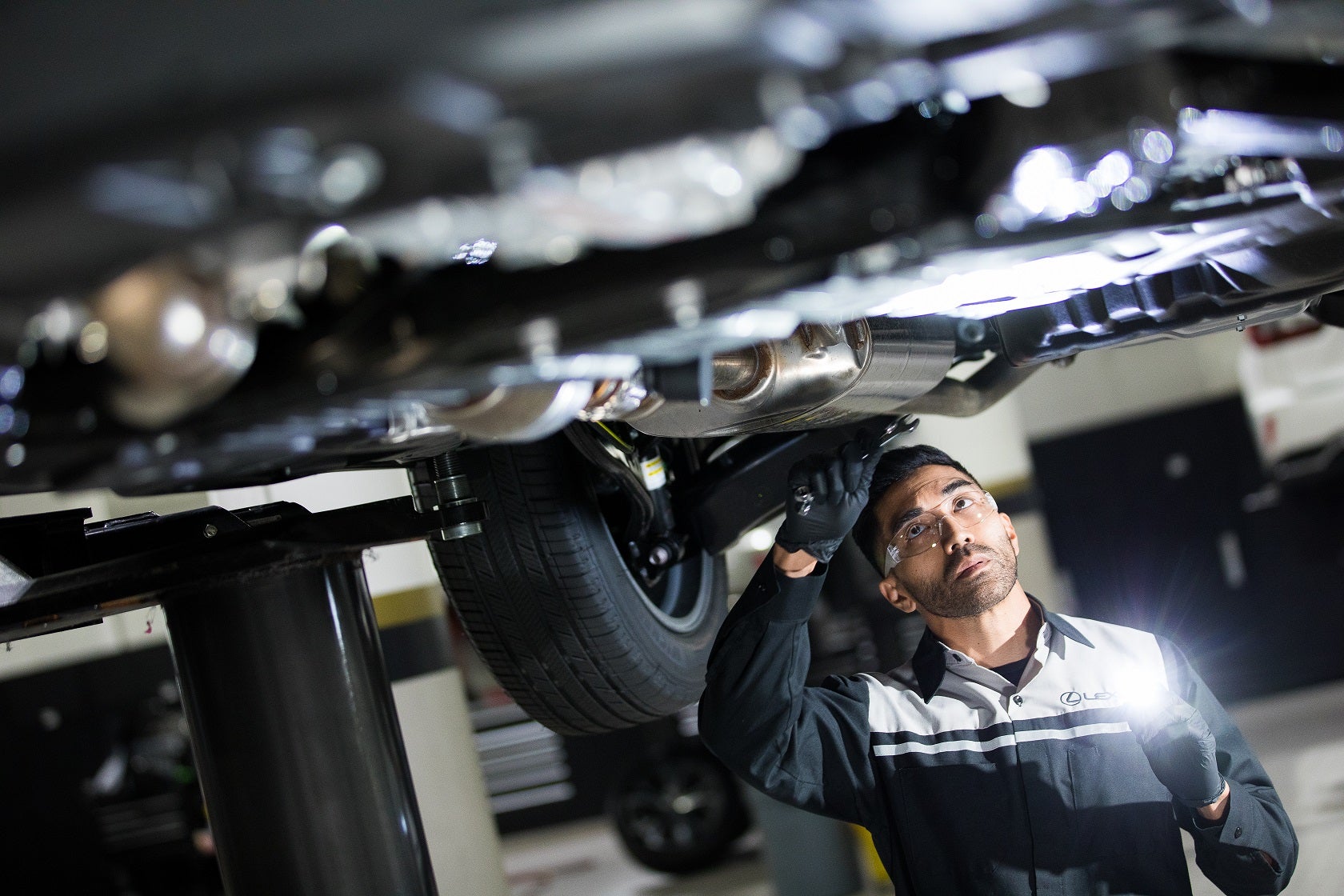
If you've invested in the luxury of a new Lexus car or SUV, you'll want to protect that investment. Properly maintaining your vehicle is the best way to ensure you can enjoy your Lexus for as long as possible. At Lexus of Stevens Creek in San Jose, California, we want to help with all your scheduled and unscheduled maintenance and repair needs. You can rely on our service center to do the work expertly, whether it's an oil change, tire rotation, brake inspection, or something more involved, such as engine, transmission, or drivetrain maintenance. Read below to learn more about the suggested maintenance schedule for your Lexus and how our team can help. more Routine Lexus Services and Schedules Following the recommended time frame for scheduled maintenance is essential to keep your Lexus running at its best. Keep in mind that these intervals might vary based on the year, make, and model of your Lexus. For precise figures, check the owners manual for your vehicle. Lexus of Stevens Creek performs the following routine services: Oil Changes Every 5,000 Miles Your Lexus can run 5,000 miles or more before needing an oil change, although it depends on which model you own. At Lexus of Stevens Creek, we use genuine Lexus parts and the correct motor oil on every oil change. You can schedule service online or stop by our service center whenever you have a free moment. In most cases, we can efficiently change the engine oil in under 30 minutes and get you back to your busy life in San Jose. Tire Rotations Every 7,000-10,000 Miles Rotating the tires on your Lexus helps spread the uneven wear resulting from the axles' different operating and load conditions. The recommended interval is usually around every other oil change. To make it more convenient for you, we can rotate the tires while draining the engine oil without adding time to your visit. Brake Inspections and Service Every 10,000 Miles We recommend inspecting the brake system on your Lexus every 10,000 miles. The brake system has many moving parts that use hydraulic and mechanical systems. Even normal driving can wear out certain parts or cause damage. As a courtesy, we inspect the brake pads, discs, and components when you have our team perform any service at Lexus of Stevens Creek. Battery Replacement Every 3 Years Although a battery will typically last at least three years and sometimes much longer, many factors, such as weather and usage, affect battery health. And leaving the lights on overnight or other human errors can cause a battery to fail. We recommend testing it at least once a year. Our technicians can quickly do this for you and, if necessary, replace it in minutes. Additional Parts and Services Lexus vehicles require replacing certain parts, such as cabin and engine air filters and spark plugs, at various milestones. Air conditioning systems need recharging, engine cooling systems need flushing, transmission fluids need replacing, and brake fluids need changing at different times. Our skilled service center technicians can perform all these services for you. Lexus-Certified Technicians You can enjoy an elevated San Jose commute thanks to the latest technology and equipment Lexus uses on its vehicles. Our technicians know how these new technologies and systems operate, including how to diagnose, troubleshoot, and fix any issues. We provide ongoing factory training to aid our technicians in staying up to date on the latest Lexus parts and repair practices. So you can rely on them to quickly diagnose and repair any problem when you bring your Lexus to us. You'll get a detailed written explanation of the issue, what we'll need to do to fix it, how long the repair will take, and an itemized price quote. World-Class Service Center In addition to providing continuous training to all our technicians, we have the finest tools and equipment to enable them to diagnose and repair any mechanical issue. So our service center can promptly and properly complete any service your Lexus needs much faster than other repair shops that lack our expertise. You can conveniently schedule maintenance using our online scheduling tool. Pick the day and time that suits your schedule, and we'll handle the rest. Or you can always bring your Lexus to our service center at 3333 Stevens Creek Blvd. in San Jose, and one of our friendly, professional staff will help you. Whether your Lexus needs new tires, an air filter, a battery, or something else, our technicians can help you find the right part. And our expansive parts inventory guarantees we'll have the part on hand so we can proceed with service without delay. Service Specials at Lexus of Stevens Creek We want your Lexus ownership experience to be one you enjoy for as long as you own your car. We offer a rotating list of service specials to encourage proper maintenance. These specials often include the following: Oil changes. Tire rotations. Brake inspections and repairs. Wheel alignments. Battery service. Seasonal preparations. So if you need a particular service for your Lexus, we recommend regularly checking our specials. Even if we're not offering anything for a specific service, we always offer discounts, such as 10% off any service. Why Service Your Vehicle at Lexus of Stevens Creek? We aim to provide 100% satisfaction to all our customers. So when you bring your Lexus to us, you can trust we'll take care of it like it was ours. Our factory-trained mechanics know your vehicle better than anyone else. And we only use genuine Lexus parts for maintenance and services. You can drive your Lexus away from our service department knowing it's operating at the same peak performance as when it first left the factory. Schedule Lexus Service in San Jose Today At Lexus of Stevens Creek, we stand ready to support you with our world-class service center. Whether your Lexus needs routine maintenance or a more complex service, we want to help. You can schedule service online or bring your Lexus by our San Jose location and let us inspect the problem and provide a solution. We'll be sure to give your Lexus the attention and care it and you deserve.

2023 Lexus RX 350

Does The 2023 Lexus RX 350 Require Premium Gas?

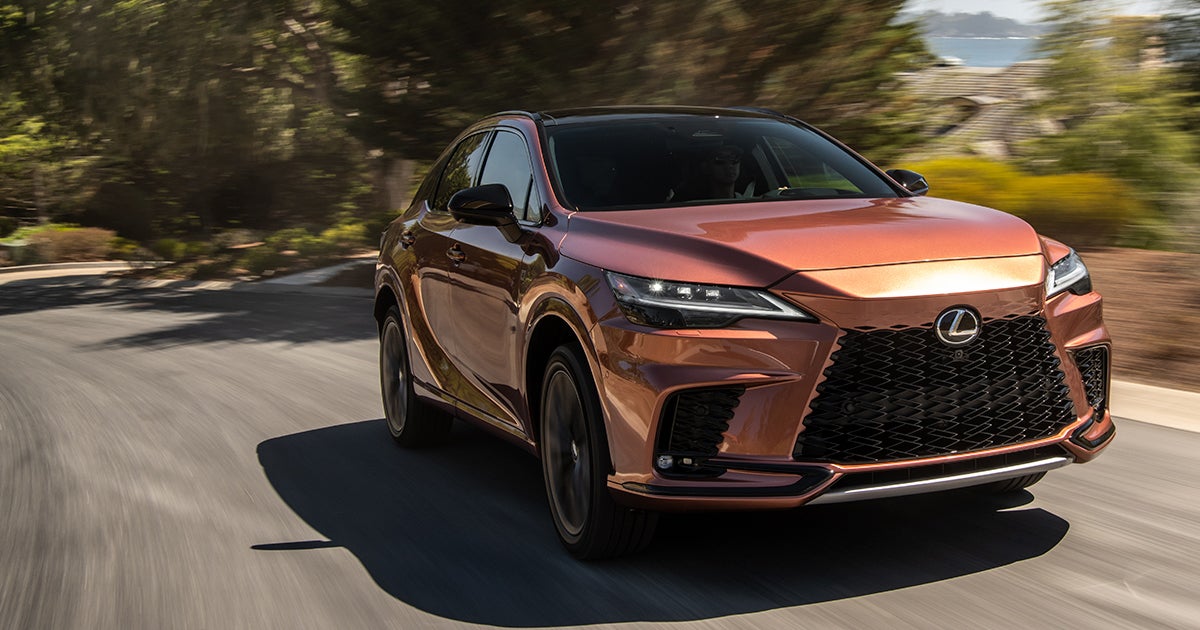
The Lexus RX 350 for the 2023 model year has a powerful and efficient engine capable of carrying you and your family around San Jose and beyond. But what's required to keep this impressive vehicle running? We'll answer that question in detail below. We'll also cover some of this luxury SUV's best features. more Browse Our Inventory of New Lexus Vehicles Fuel Type, Oil Type, and Engine Maintenance Schedule The engine is the heart of any vehicle. Using the right products and scheduling maintenance service consistently is vital to care for it properly and maximize its life span. The engine in the 2023 Lexus RX 350 is a 2.4-liter turbocharged four-cylinder with pistons in the inline configuration. It generates 275 horsepower and 317 lb-ft of torque, making the run from zero to 60 mph in 7.3 seconds. Lexus designed this engine to run on premium gas with an octane rating of 91 or higher. For this engine, you should use 0W-20 synthetic oil. It can handle the use of 5W-20 synthetic motor oil, but this will result in a reduced engine life span in the long run. The engine's oil must be changed every year or every 10,000 miles, whichever comes first. A 2023 Lexus RX 350 should also have its engine flushed yearly. That frequency should increase to twice a year if you typically drive your vehicle in hot or dusty areas. Transmission, Drive Types, and Transmission Fluid The transmission in the 2023 Lexus RX 350 is an eight-speed automatic with an overdrive gear. This luxury SUV is available in front-wheel-drive and all-wheel-drive forms. The former is more energy- and fuel-efficient. That said, the all-wheel-drive version has superior handling and cornering capabilities compared to the front-wheel-drive option. This transmission requires a specialized fluid distributed by Lexus. It's called Genuine Lexus RX350 ATF WS Automatic Transmission Gearbox Oil 08886-81210. You need to change the transmission fluid every 30,000 miles to keep your SUV running smoothly. Body Dimensions and Tire, Rotor, and Brake Specs The 2023 Lexus RX 350 measures 192.5 inches in length, 75.6 inches in width (excluding the side-view mirrors), and 63.7 inches in height, and it has a 112.2-inch wheelbase. It is available in the Standard, Premium, Premium+, Luxury, and F-Sport trim levels, and it comes with one of two types of tires. The standard tire size on most trim levels is 18 inches, and the factory-recommended options are the Bridgestone Ecopia H/L 422 Plus or Michelin Premier LTX with the sidewall designation 235/65R18. The upgraded tires are 20 inches with a sidewall code of 235/55R20. The standard rotor size for this luxury SUV is 13.39 inches for all four wheel positions. The 2023 RX 350 makes use of four-wheel anti-lock ventilated disc brakes. The tires are rated to last 60,000 miles before needing replacement, the rotors can last for 30,000 to 80,000 miles depending on usage patterns, and the brake discs will need swapping out before the 70,000-mile mark. The 2023 Lexus RX 350's Most Notable Features and Options There are a host of features and options available on the 2023 Lexus RX 350. Let's take a look at the best exterior, interior, entertainment, convenience, and safety features. Exterior Features and Options Standard exterior features on the 2023 RX 350 include a lip spoiler, a power rear liftgate, laminated glass, a metal-look grille, chrome side window trim, automatic high-beam projector headlights, tilting heated auto-dimming power-folding side-view mirrors, LED brake lights, and deeply tinted glass. Exterior options on this luxury SUV include black side window trim, a black grille, an express open-and-close tilting and sliding first-row sunroof with a power sunshade, and a body-colored front bumper with a metal-look rub strip. When it comes to your color options, all but the F-Sport trim level are available in Matador Red Mica, Eminent White, Iridium, Caviar, Nori Green Pearl, Nightfall Mica, or Nebula Gray Pearl. The F-Sport trim level is available in Iridium, Caviar, Nightfall Mica, Grecian Water, Ultra White, or Nebula Gray Pearl. Entertainment and Cruise Control Features and Options The 2023 RX 350 offers plenty of tech with a 12-speaker premium sound system, GPS navigation, high-definition radio, and a 9.8-inch Lexus Interface infotainment system with a touch-screen display. This system comes with Apple CarPlay, Google Assistant, Android Auto, Amazon Alexa, Siri Eyes Free, multi-information display (or MID) data sharing, and hands-free Bluetooth programming suites. You can control all these functions through an advanced voice-command system that's capable of easily understanding casual language. The cruise control is a distance-pacing stop-and-go system. The steering wheel has controls for both the audio and the cruise control. Interior Features and Options Standard interior features in the 2023 Lexus RX 350 include smart device remote engine start, fade-to-off interior lighting, one-touch up-and-down power windows, dual-zone air conditioning, a compass, and a power tilt and telescoping steering column. The driver's seat is heated and eight-way power-adjustable, the gear shifter is leather and metal effect, and the upholstery is NuLuxe synthetic leather. To further enhance the interior style, there's genuine wood, leatherette, and a metal-look interior trim. Interior options include a stylized steering wheel that tilts away automatically, special NuLuxe upholstery for the F-Sport trim level, a wireless device charging unit, a head-up display, a multicolor illuminated entry system, and memory settings for the side-view mirrors and steering wheel positioning. Safety Features and Options Standard safety features for the 2023 Lexus RX 350 include lane departure warning with steering assistance, a driver monitoring and alert system, active computerized evasion assistance, a backup camera, a blind-spot monitoring system, rear child safety locks, forward collision warning, automatic emergency braking, rear cross-traffic alert, and a tire-specific low-pressure warning system. It also comes with intuitive parking assistance programming that brakes automatically when the parking sensors detect a vehicle in the way. There are no optional safety features, meaning every trim level is equal in terms of keeping you secure on the road. More Information on the New Lexus RX Feel free to reach out to us to learn more about the incredible 2023 Lexus RX 350 at our Lexus Stevens Creek dealership in San Jose, California. Our experienced and attentive team will gladly help you schedule a test drive or configure your ideal version of this world-class SUV.

2023 Lexus RZ

2023 Lexus RZ vs. 2023 Tesla Model Y

If you're in the market for a new electric vehicle (EV), there are a lot of options out there. So many, in fact, that it can be hard to know which one is right for you. As you're browsing the market, two popular options you'll likely come across are the 2023 Lexus RZ and the 2023 Tesla Model Y. There's a reason that these two are sought after, and that's because they both have a lot to offer. However, there are some significant differences between these models. Our Lexus of Stevens Creek team highlighted some key differences and similarities to help you choose the one that's right for you. more 2023 Lexus RZ vs. 2023 Tesla Model Y: Exterior Design 2023 Lexus RZ Starting with the design, the 2023 Lexus RZ is a stylish EV with sharp lines and an aerodynamic profile. It features a unique front grille design and a sculpted hood, giving it a bold and aggressive appearance. The RZ has a coupe-like roofline that slopes toward the rear, giving it a sleek look. The Lexus RZ is designed to deliver a sporty driving experience with its low center of gravity and wide stance. On the other hand, the 2023 Tesla Model Y features a more streamlined and futuristic design. The Model Y has a long hood, a sloping roofline, and a minimalist grille-less front fascia. The Model Y features unique falcon-wing doors that open vertically. The Model Y's design is focused on aerodynamics and efficiency, and it has a low coefficient of drag of just 0.23, making it one of the most aerodynamic SUVs on the market. 2023 Lexus RZ vs. 2023 Tesla Model Y: Performance A key factor when choosing an EV is its performance. With the 2023 Lexus RZ, you'll get a dual-motor arrangement that can produce 308 horsepower. On top of this, all models come with all-wheel drive, giving them better control when it comes to those challenging driving conditions. Acceleration in the RZ is snappy and responsive, going from zero to 60 in about 5.5 seconds. The 2023 Tesla Model Y offers two battery options that impact the type of performance you can expect. If you choose the Long Range option, expect acceleration that'll allow you to go from zero to 60 in about 4.4 seconds, while the Performance does it in 3.6 seconds. Depending on your selection, the battery choice also impacts acceleration, delivering between 425 horsepower and 455 horsepower. 2023 Lexus RZ vs. 2023 Tesla Model Y: Range and Charging Since these are EVs, you also need to consider how far you can drive on a single battery charge and how long it typically takes to charge the battery. With the 2023 Lexus RZ, expect to be able to drive around 220 miles on a single charge. The RZ also comes with a 150 kW DC fast charger, allowing you to charge your battery quickly while running around San Jose. On the other hand, the 2023 Tesla Model Y comes with two battery options, the Long Range and the Performance. The Long Range version has a range of around 330 miles, while the Performance version has a range of around 303 miles. The 2023 Tesla Y also comes with DC fast-charging capabilities. 2023 Lexus RZ vs. 2023 Tesla Model Y: Tech Features In terms of features, the 2023 Lexus RZ and the 2023 Tesla Model Y offer a range of advanced technology and safety features. The Lexus RZ comes with a 14-inch infotainment screen, wireless Apple CarPlay, Android Auto, and a 12.3-inch digital instrument cluster. For the best audio experience, you can upgrade the RZ with a Mark Levinson stereo system that delivers impressive sound quality throughout the cabin. The RZ also comes with various advanced safety features, including adaptive cruise control, lane departure warning, and automated emergency braking. As for the Tesla, it comes with a 15-inch infotainment screen that controls almost all of the car's functions, including navigation, entertainment, and climate control. The Model Y also provides a range of advanced driver assistance features, including autopilot, which allows the car to drive itself on highways and navigate on its own to take exits and park. Finally, the Model Y has advanced safety features such as automatic emergency braking, blind-spot monitoring, and lane departure warning. 2023 Lexus RZ vs. 2023 Tesla Model Y: Pricing Finally, pricing is an essential factor to consider when comparing the 2023 Lexus RZ and the 2023 Tesla Model Y. The base Lexus RZ has an MSRP of $59,650, while the Luxury trim starts at $65,150. The Tesla Model Y is around the same price, with a starting MSRP of $52,630. The Long Range version comes in at $54,630, and the Performance trim has an MSRP of $58,630. 2023 Lexus RZ vs. 2023 Tesla Model Y: Which One Is Right for You? As you can see, there are some prominent differences between the two models. If you're looking for a more affordable option or a more extended range, you may prefer the 2023 Tesla Model Y. Alternatively, if you want a more luxurious interior experience, we highly recommend the 2023 Lexus RZ. Thanks to elements such as its panoramic sunroof and premium stereo system, the driving experience of the Lexus RZ is hard to beat. Explore the 2023 Lexus RZ at Lexus of Stevens Creek If the 2023 Lexus RZ interests you or you'd like to learn more, Lexus of Stevens Creek is here to help. Our sales team would be happy to answer any questions you may have about this model or set you up with a test drive so that you can experience it for yourself. There's a lot to love about the new 2023 Lexus RZ, and the best way to see it all is to get behind the wheel and take it for a spin. To get started, please contact us today to schedule a visit to our dealership. If you're still browsing, check out our online inventory and current specials, or make use of our online tools, such as our trade-in evaluator.

alexander-jawfox-J1xCaKF3vWA-unsplash

What Is The Lexus Battery Charging Procedure?

Modern car batteries can last a long time. But this doesn't mean they'll last forever, especially if you often use the battery without the engine running. If you find that the battery doesn't have enough charge to start your Lexus one day, you may need to charge it. Read below as our team at Lexus of Stevens Creek in San Jose, California, provides the steps you can follow to charge the battery and what to do if it no longer accepts a charge. more How Do You Charge Your Lexus Vehicle's Battery? Image by Alexander Jawfox is licensed with Unsplash License If you find you need to charge a low or dead Lexus vehicle battery before you can get on the road in San Jose, follow the procedure outlined below step by step: Locate the Car Battery The first thing you'll want to do is locate the vehicle's battery. Unlock your Lexus vehicle using the key, then look for the lever to unlock your vehicle's front hood. This lever is typically near the door by the driver's seat. Once you open the hood, lift it and secure it in place using the hood support bar. Under the hood, you'll see many mechanical components that operate your vehicle. Look for a large black or gray box with two cables (one red, one black) coming from it. This is your vehicle's battery. Prepare the Battery for Charging After you find your vehicle's battery, you should closely examine the terminals coming from the battery. These terminals may have plastic covers that you'll need to remove or push to the side. Look for a blue or white residue around the edges of the terminals. If you see this residue, try to remove it using something like an old toothbrush. Avoid touching this residue with your hands, as it can be corrosive to the skin. Set Up the Battery Charger Once your Lexus's battery is ready, you can then move on to preparing the battery charger. All battery chargers are different, so it's best to follow the directions for your specific charger. You'll want to make sure the charger is off before you plug it in and check that the black and red cables are securely attached to the charger. If you're using another vehicle to jump-start your Lexus, you should first ensure the other vehicle is off before attaching the cables to its battery terminals. Connect to the Positive Terminal Attach the red clamp from the battery charger to the positive (+) terminal on the battery. This terminal will likely have a red cover on it. As you connect the cables, make certain that the two cable clamps don't touch one another, which can cause some sparks. Make sure to securely fasten the red clamp to the positive terminal before moving on to the next step. Connect to the Negative Terminal Next, attach the black cable clamp. Rather than connecting it to the battery's negative terminal, you'll want to connect it to the vehicle's frame, a ground point, or an engine bolt. There may also be a metal piece near the negative battery terminal that you can connect the clamp to. Once again, make sure to securely fasten the clamp before proceeding. Turn on the Battery Charger With all the clamps securely in place, you can now turn on the battery charger. If you haven't plugged it into a wall outlet yet, now is the time to do so. Then, turn it to "on" to begin charging the battery. If you're using another vehicle to jump-start yours, turn the key until the engine turns over, then leave the engine running. Many battery chargers have lights that indicate whether the dead battery is receiving a charge. If yours does, check these lights to ensure everything is working properly. Wait for the Battery To Charge Fully charging a dead battery will take some time. Depending on the charger's output and the battery's condition, you may need to wait a few hours for the battery to have a full charge. If you're just trying to jump-start the vehicle, you may be able to start the dead Lexus after a few minutes. Try to be patient, as using the battery before it has enough charge could drain it further and extend your waiting time. Once the battery is ready, turn off the charger and disconnect it from the power source. Then, detach the cables from the battery. Test the Battery Finally, test the battery. Take your Lexus out for a drive of at least thirty minutes. If you can, take your vehicle on the highway, as this will help the alternator charge the battery further. After driving for an extended time, head back home and turn off the vehicle. Wait a few moments, then start it again. You shouldn't have any further issues if the vehicle starts without a problem. If your vehicle doesn't start, it likely didn't receive enough charge. What Should You Do If the Battery Won't Charge? If you followed the steps above and your vehicle still won't start, there are a few things you can try. First, repeat the steps above to ensure you did them correctly. You can also try waiting longer to see if the battery simply needs more time to receive a full charge. If that doesn't work, you'll likely need to replace the battery in your Lexus. All batteries fail over time; some can't retain a significant charge after a few years. Luckily, replacing the battery in a vehicle is a relatively simple and affordable procedure, so you won't have to go too long without your car. Lexus Battery Maintenance in Stevens Creek Whether you need help charging your Lexus's battery or need a new one, Lexus of Stevens Creek is here to help. Contact our service center to schedule an appointment today. Our service department can test your vehicle's battery and charge or replace it as necessary. If you're unable to get your vehicle to us, call us, and we'll help you make arrangements.

2023-Lexus-RZ

Best Home Charger Brands for Lexus EVs

Are you planning on purchasing a Lexus electric vehicle (EV)? Or perhaps you already own one and are considering installing a home charger to make it easier to keep your battery fully loaded. There are many EV charging options to consider, which makes it important to compare the various brands and charging options before you purchase a charger. Here at Lexus of Stevens Creek, California, our EV experts have put together a helpful guide to let you know what your options are and which EV charger brands offer the best performance for your Lexus SUV. more Main Types of EV Chargers If you’re unfamiliar with EV charging, the first thing you should know is that there are three main types of chargers. They’re known as Levels 1, 2, and 3 chargers. A Level 1 charger is a standard household power outlet. This is the cheapest way to charge your car, but it’s also the slowest. A Level 1 charger can only add 2-3 miles of range for every hour of charging. As a result, Level 1 chargers aren’t really a practical option for most EV drivers. It can take several days to fully charge an EV’s battery. Level 2 chargers are significantly faster, requiring about 10 hours to fully charge an EV’s battery. They’re available at public charging stations and can be installed in your own home. Level 2 chargers will be what we focus on in this guide. The final option is a Level 3 charger, also called a DC fast charger. They’re only available at public charging sites. Level 3 chargers can charge your Lexus’s battery in less than an hour, making them a great option if you need a quick top-up of power while you’re on the go. However, they’re also more expensive than Level 2 chargers, so you’ll probably only want to use them in exceptional cases. Best Home EV Chargers for Lexus Vehicles 2023 Lexus RZ If you’ve decided that installing a Level 2 charger in your home is the best option for charging your EV, there are some top brands you should consider. The first is the JuiceBox series of chargers. These chargers are available in three versions: 32 amp, 40 amp, and 48 amp. The right choice will depend on how much you’re willing to spend and how quickly you want your Lexus to charge. One of the main benefits of the JuiceBox series of chargers is that they’re compatible with Wi-Fi networks. This allows you to program your charger to follow a daily charging routine, monitor your vehicle’s charge, and receive reminders to plug in your Lexus. These chargers are also well protected in a weatherproof casing, making them ideal for installing outdoors or in a garage. A further option is the FLO Home charger. There are two choices here: the X5, which offers network connectivity, and the G5, which doesn’t. One of the FLO Home’s strengths is its ability to operate in extreme weather conditions. It’s rated to provide reliable charging in temperatures ranging from minus 40 to 122 degrees Fahrenheit. The X5 is convenient because you can schedule your charges using the network features, while the G5 is a more affordable option if you’re just looking for a basic charger to get the job done. Another great value option is the Lectron 240V 30 Amp Level 2 EV charger. This unit provides 9.6 kilowatts of charging power, making it seven times faster than a typical Level 1 charging unit. One thing to keep in mind when buying this charger is that you’ll need to house it in a garage because the casing isn’t waterproof for outdoor use. However, the advantage it offers is that it’s significantly less expensive than chargers with comparable performance. Advice When Buying an EV Home Charger for Your Lexus One of the first things to keep in mind when purchasing an EV charger is the size of your car’s battery. Lexus plug-in hybrid vehicles like the NX have a smaller battery than all-electric vehicles. As a result, you don’t necessarily have to worry about purchasing an EV charger with the most powerful kilowatt output. As a general rule, most Level 2 chargers will be able to fully charge a plug-in hybrid’s battery within two to three hours. The other major factor to consider is whether you want additional features with your EV charger. Those with connectivity options can open up a range of additional benefits, including the ability to remotely monitor how much charge your Lexus has and the option to schedule your daily charges. On the other hand, a non-networked EV charger is a more affordable option that could help you purchase a charger with more power at a lower price. Finally, don’t forget to investigate whether any tax incentives or other rebates are on offer for your EV purchase. In California, for example, San Diego Gas & Electric offers several incentive programs for customers. EV Charging Tips One of the main things to consider when charging your hybrid Lexus at home is how to get the best price for your energy usage. You may be able to save money by scheduling your daily charges to take place during off-peak hours, such as overnight, rather than during peak times in the late afternoon and early evening. Your utility provider may also offer special incentives for EV charging. If you’re interested in learning more about what it’s like to own a Lexus hybrid, feel free to contact our team. Here at Lexus of Stevens Creek, we’ve helped numerous customers get behind the wheel of their first EV. In addition to providing you with advice about buying an EV home charger, we can give you tips about how to maintain an EV or how long your battery may last. If you’d like to get a feel for a hybrid vehicle before purchasing one, we’d be delighted to arrange for you to test-drive an ES Hybrid or UX Hybrid before you commit to a purchase.

2023 Lexus ES

What Are Main Differences Between 2WD, 4WD, and AWD

When shopping for a new or used vehicle, there's certainly a lot to consider. No matter what year or model you choose, you'll have to make some important choices before you head to the dealership. Being aware of your options can help you get the vehicle that best matches your lifestyle and needs. more Part of your research may involve looking at different drivetrains. A drivetrain includes all the necessary components that transfer energy to a vehicle's wheels to get it rolling. Here's a detailed guide into two-wheel drive, four-wheel drive, and all-wheel drive — three of the most common drivetrains. What Is Two-Wheel Drive (2WD)? 2023 Lexus ES Two-wheel drive (2WD) is a type of drivetrain where the engine sends power to two of the vehicle's wheels while allowing the others to spin. Most cars and light passenger trucks on the road today come standard with two-wheel drive, and manufacturers usually either configure them for either front-wheel drive or rear-wheel drive, meaning the engine directs the power to either the front end or the back end of the vehicle, depending on the model. Front-wheel drive is more common in standard passenger vehicles, while rear-wheel drive may be more common in pickup trucks, older SUVs, and some sports cars. Rear-wheel drive can provide quicker acceleration with better back-end traction since the engine transfers the weight to the back end of the vehicle. Front-wheel drive often has the advantage of balancing the weight of the engine on top of the front wheel, which can provide superior traction when scaling hills. What Is Four-Wheel Drive (4WD)? Four-wheel drive (4WD) is a system that divides the vehicle's power between four wheels, and it's often common in off-road pickup trucks and other vehicles that have off-road capabilities. Four-wheel drive offers drivers maximum traction, making it easier to navigate uneven terrain or rough conditions. Vehicles with four-wheel drive can drive over hills, rocks, and boulders a lot easier, and modern four-wheel-drive systems either operate manually or on an automatic basis. Part-time four-wheel drive allows the driver to switch between two-wheel drive and four-wheel drive, meaning the vehicle can power between two and four wheels at a time. What Is All-Wheel Drive (AWD)? Similar to four-wheel drive, all-wheel drive (AWD) vehicles power all four wheels simultaneously. All-wheel drive vehicles are often better for driving over looser wet surfaces, including snow and mud. Manufacturers often design vehicles with an all-wheel drive system for light off-road use. With this type of drivetrain, all four tires can provide a good amount of traction, so if two get stuck in snow or mud, the other two work to get the vehicle back on the road. Typically, all-wheel drive systems are automatic, and drivers don't need to act to transfer power to the wheels. 2WD vs 4WD vs AWD As you may have gathered, the main difference between these three drivetrains is the number of wheels that move at one time. Two-wheel drive vehicles only power two wheels, while vehicles with four-wheel drive and all-wheel drive offer a little more flexibility. Different modes may be available in an all-wheel vehicle to improve traction in various conditions. Two-wheel drive is common in vehicles that don't go off the beaten path very often. In contrast, four-wheel drive and all-wheel drive vehicles may have some off-road capabilities, although four-wheel drive is generally more prevalent in heavier-duty vehicles. While you may hear people using four-wheel drive and all-wheel drive interchangeably, four-wheel drive is distinctive from the latter in that it gives drivers a higher degree of control over their vehicle. All four-wheel-drive systems offer drivers a fixed amount of power to each axle, and they can switch it on or off as conditions and needs change. These systems also are more suitable for off-road excursions rather than wet roads. In contrast, all-wheel drive systems distribute the engine's torque between two axles using a center differential, allowing each wheel to gain traction independently of the others. What Drivetrain Is Right for Me? Each drivetrain has its advantages, and the one you choose ultimately depends on your lifestyle. If you're looking for a reliable work vehicle that you hope to take off-road frequently, a four-wheel drive may be the best option for you. Four-wheel drive systems are typically more robust than all-wheel drive systems, despite having similar mechanics. That's because manufacturers create them specifically to handle tough terrain. Large pickup trucks, SUVs, and work trucks usually come with four-wheel drive. Due to an increasing consumer demand for SUVs, four-wheel drive has become popular over the last few years. Vehicles with automatic four-wheel drive also may have better fuel efficiency, since they disperse the vehicle's weight more evenly. If you're looking for a vehicle with maximum grip and superior traction in poor conditions, an all-wheel drive may be ideal. All-wheel drive vehicles have the benefit of superior grip, making it easier to navigate dustier conditions. Since all-wheel drive systems send power to each wheel, the vehicle can roll over moderately rough terrain with ease. Typically, an all-wheel drive system diverts power from one axle to the other when it detects slippage, automatically realigning the vehicle and allowing for more precise control. While all-wheel and four-wheel-drive systems offer superior traction, two-wheel-drive designs have their benefits as well. Vehicles with front-real drive contain components that are cheaper to manufacture, meaning they're often cheaper to purchase. Front-wheel drive also offers drivers good traction. Vehicles with rear-wheel drive often have superior handling and are more capable on slippery or especially curvy roads. Hopefully, our guide has given you a brief insight into the three main drivetrains and how they function. Whatever you prefer, it's important that you think about your lifestyle, location, and everyday commute. Unsure of exactly what you want? Our friendly team at Lexus of Stevens Creek can help you find just what you're looking for and get you on the road in no time. Find a new Lexus with all-wheel drive, four-wheel drive, rear-wheel drive, or front-wheel drive in our inventory today. When you're feeling ready for a test drive, contact us online or call us at 408-899-5789.

Contact Us

Fill out this form below and we'll contact you shortly
*Required Fields