
Blog / Car Tips

What Food is San Jose Known For?

San Jose Pho

San Jose, CA, is a vibrant city known for its rich cultural diversity, innovative spirit, and—perhaps most importantly—its incredible food scene. Whether you’re a visitor exploring Silicon Valley or a local looking for your next meal, San Jose’s culinary landscape has something special for everyone. With influences from Mexican, Vietnamese, and farm-to-table California cuisine, the city boasts an impressive array of must-try dishes. From savory tacos to indulgent garlic fries, let’s take a delicious journey through the foods San Jose is famous for.

Vietnamese Pho: A Warm, Flavorful Hug in a Bowl

With one of the largest Vietnamese populations in the U.S., it’s no surprise that San Jose is home to some of the best pho you’ll ever have. This fragrant noodle soup, typically made with slow-simmered beef or chicken broth, rice noodles, and fresh herbs, is the ultimate comfort food. Whether you go for a traditional beef pho with rare steak and meatballs or a lighter chicken version, every bowl is packed with deep, aromatic flavors. Local favorites like Pho Kim Long and Pho Y #1 serve up steaming bowls that will warm your soul.

Tacos: A Bite of Authentic Mexican Flavor

San Jose’s rich Mexican heritage shines through in its taco scene. From street-style taquerias to upscale Mexican restaurants, you’ll find some of the best tacos outside of Mexico right here. Carnitas, al pastor, carne asada—each taco is a little handheld masterpiece. La Victoria Taqueria, famous for its legendary orange sauce, is a must-visit, as well as Tacos El Compa for their perfectly marinated meats and fresh tortillas. Whether you prefer soft corn tortillas or crispy shells, there’s a taco waiting for you in San Jose.

Garlic Fries: The Bay Area’s Signature Snack

While garlic fries might be associated with the San Francisco Bay Area as a whole, San Jose has truly perfected this crispy, garlicky delight. These fries, tossed generously with fresh garlic and parsley, are a must-try for anyone visiting the city. You’ll find them at SAP Center during a Sharks game or at local spots like SmokeEaters and The Garlicky Pig. Crunchy, flavorful, and a little messy, garlic fries are the ultimate guilty pleasure.

Banh Mi: A Perfect Blend of French and Vietnamese Flavors

San Jose’s love for Vietnamese cuisine doesn’t stop at pho. The city is also known for its amazing banh mi, a sandwich that blends French baguettes with flavorful Vietnamese fillings. Stuffed with grilled pork, pate, pickled vegetables, and fresh cilantro, this sandwich is the perfect mix of crunchy, savory, and slightly sweet. Head to Lee’s Sandwiches or Duc Huong for a truly authentic banh mi experience. If you’re on the go, this is the perfect meal to grab and explore San Jose’s beautiful parks and neighborhoods.

Sourdough Bread: A San Jose Staple with a Twist

California is known for its sourdough, and San Jose is no exception. While San Francisco may get all the credit, the South Bay has its own fantastic bakeries serving up fresh, tangy loaves. Whether you enjoy it as part of a hearty sandwich, a side to a warm bowl of clam chowder, or simply toasted with butter, sourdough bread in San Jose is a must-try. Check out The Midwife and The Baker or Manresa Bread for an artisan approach to this classic favorite.

Savor San Jose’s Best Bites

San Jose’s food scene is a reflection of its diverse culture, offering visitors a taste of something truly special. From the comforting warmth of pho to the irresistible crunch of garlic fries, every bite tells a story of tradition, creativity, and passion for great food. Next time you find yourself in San Jose, make sure to explore these local favorites—you won’t regret it! And if you’re cruising around town in search of the best eats, consider making your trip even smoother with a visit to Lexus Stevens Creek, where luxury and performance meet for an unbeatable driving experience.
Posted in:

Related Posts

Lexus Owner FAQs: Maintenance Lights, TPMS, BSM, and More

Lexus Owner FAQs: Maintenance Lights, TPMS, BSM, and More

Owning a Lexus means driving one of the most refined vehicles on the road, but even the best-engineered cars come with questions. A dashboard light you don't recognize, a TPMS warning that appeared overnight, a key fob that stopped responding for no apparent reason. Knowing how to handle these moments is what keeps ownership from becoming stressful. This guide covers the most common Lexus owner FAQs so you can act confidently and keep your vehicle performing the way it should. If your vehicle needs attention now, schedule a service appointment with our team at Lexus Stevens Creek and we'll take it from there. more What Are the Most Common Questions Lexus Owners Have? The questions we hear most often cluster around a few key areas: interpreting dashboard warnings, resetting service reminders, understanding safety features like the Blind Spot Monitor, and handling basic upkeep like tire pressure resets and key fob battery replacements. These aren't signs of inexperience. They reflect how much is packed into a modern Lexus. Our service team hears them regularly from drivers across all model lines, from the popular RX 350 to the performance-focused IS 500. If you're also considering a new vehicle alongside your service needs, browse our new Lexus inventory to see what's available. Getting clear answers makes a real difference in how confidently you drive and how well you maintain your car over the long haul. How Do I Reset the Maintenance Required Light on My Lexus? The Maintenance Required light is probably the most frequently Googled topic in Lexus troubleshooting. It appears suddenly, offers almost no explanation, and can feel more alarming than it actually is. In most cases, it simply means your vehicle has hit a scheduled service interval and needs a routine checkup. What Triggers the Maintenance Required Light? Lexus vehicles track mileage to determine when scheduled maintenance is due. The light typically appears at roughly every 5,000 miles after the last service reset. For drivers using full synthetic oil, the service interval extends to around 10,000 miles, though the reminder still triggers at 5,000. Driving habits matter too. Frequent short trips and stop-and-go Silicon Valley commute traffic can accelerate wear on engine oil and fluids, meaning your actual service needs may arrive sooner than the standard schedule suggests. Step-by-Step: Resetting the Maintenance Light Yourself Once you've completed the required service, resetting the light is pretty straightforward. The exact steps vary slightly by model year. For older models: Turn the vehicle off. Press the start button without pressing the brake pedal to enter accessory mode. Use the trip meter button on the instrument cluster to navigate to the Trip A or odometer display. Hold that button down for several seconds until the display flashes and resets to zero. Turn the vehicle off and restart it. The light should be gone. For newer models with a touchscreen multi-information display, navigate to vehicle settings, locate the maintenance section, and select the reset option. If you're unsure which procedure applies to your trim, our service team is happy to walk you through it. What Is BSM on a Lexus and How Does It Work? BSM stands for Blind Spot Monitor. Lexus equips this system with radar sensors mounted behind the left and right sides of the rear bumper to detect vehicles traveling in adjacent lanes. When another vehicle enters your blind spot zone, a warning indicator lights up in or near the corresponding side mirror. Signal a lane change while that indicator is active, and the system issues a more urgent alert to stop you from merging into an occupied lane. Highway driving, tight urban lane changes, merging onto busy Bay Area freeways. All of it becomes noticeably less stressful with BSM active. Why Is My BSM Light On and What Should I Do? If the BSM indicator stays lit when no vehicle is nearby, or a message appears saying the system is unavailable, a few likely causes are worth checking. The radar sensors sit near the rear bumper corners, which makes them vulnerable to blockage from mud, snow, ice, or heavy debris. Start with a visual inspection. Clean the sensor areas gently with a soft cloth and warm water, then see if the system reactivates. If that doesn't resolve it, the issue could point to sensor misalignment following a repair, a software glitch, or internal sensor damage. At that point, having a factory-trained technician run diagnostics is the right call. Persistent BSM warnings shouldn't be ignored. How Do I Reset the Tire Pressure Monitor on My Lexus? The TPMS keeps an eye on air pressure in each tire and alerts you when one or more drops below the recommended threshold. Bay Area temperature swings, common in the San Jose area, can cause temporary pressure drops that trigger the light even without a puncture. After inflating a tire, rotating tires, or installing a new set, you'll often need to reset the system so it recalibrates properly. On most Lexus models, navigate to vehicle settings on the dashboard display, find the TPMS or tire pressure section, and select the reset or initialize option. The system will relearn correct readings as you drive, usually within a few miles. Always confirm your tires are inflated to the correct PSI first. That number is printed on the sticker inside the driver's door jamb. If your tires check out and the light stays on, visit our service department for a tire pressure inspection. Our technicians can confirm whether the issue is pressure-related or points to something else. When Does a TPMS Warning Signal a Sensor Problem? Not every TPMS alert means your tires are underinflated. Lexus uses a direct TPMS system with individual battery-powered sensors mounted inside each wheel. Those batteries typically last 5 to 10 years before they need attention. A dead or damaged sensor triggers a fault warning that looks different from a standard low-pressure alert. The low-pressure light shows a cross-section of a tire with an exclamation point. A sensor malfunction usually shows the same symbol alongside a separate indicator or an accompanying message on the display. If you suspect a sensor issue, a diagnostic check is the right next step. How Do I Replace the Battery in My Lexus Key Fob? This is one of the easiest DIY tasks a Lexus owner can handle. Most Lexus key fobs use a CR2032 lithium coin battery, available at most pharmacies or hardware stores for roughly $3 to $8. Battery lifespan is typically 1 to 2 years. To replace it: Locate the small mechanical key hidden inside the fob and remove it. Use a flathead screwdriver to gently remove the key fob cover plate. Remove the old battery and note its orientation. Press the new CR2032 into place in the same position. Snap the casing back together and test. Signs that the battery is running low include having to move closer before the fob responds, needing to press buttons multiple times, or seeing a low-battery warning on your dashboard. What If My Key Fob Still Does Not Work After a Battery Change? First, confirm the battery is seated correctly with the positive side facing the right direction. Even a slight misalignment will prevent the fob from working. Then check the battery contacts inside the fob for corrosion or visible damage. If the fob looks physically fine but still won't respond, it may have lost its pairing with the vehicle, or there could be internal or water damage requiring reprogramming. That requires a dealership visit, since the process involves syncing the fob to the vehicle's onboard computer. Our team at Lexus Stevens Creek can handle this quickly. What Other Dashboard Warnings Do Lexus Owners Ask About? Beyond maintenance reminders and TPMS alerts, the Lexus dashboard can display a range of symbols that aren't always self-explanatory. Here's a quick reference for the most common warnings: Immediate Action — Stop Driving Schedule Service Soon Red Oil Pressure Light (oil can icon) Check Engine Light (amber) Red Temperature Light (thermometer icon) Maintenance Required Light (amber) Red Brake System Light TPMS Warning Light (amber) Red Battery Light ABS Light (amber) As a general rule: red lights are urgent. Amber lights need attention soon but typically don't require stopping immediately. Check Engine Light vs. Maintenance Required Light These two warnings are commonly confused. Here's the key difference: Maintenance Required Light Check Engine Light Icon Amber wrench Amber engine outline Cause Mileage-based service reminder Detected engine or emissions fault DIY reset? Yes, after service No — requires diagnostic scanner Urgency Schedule routine service Schedule diagnosis promptly The Maintenance Required light carries no diagnostic information. The Check Engine light stores fault codes that a technician needs to read. Letting it go can turn a minor issue into a costly repair. Still Have Questions? Visit Lexus Stevens Creek for Expert Help Some questions are easy to resolve with a quick reset or a fresh battery. Others need trained eyes and the right diagnostic equipment. That's where having a reliable Lexus center in San Jose really matters. Our service center is staffed by factory-trained technicians and is open Monday through Saturday from 7 AM to 6 PM. Whether you need a routine oil change, a BSM diagnostic, a TPMS sensor replacement, or key fob reprogramming, we're ready to help. If you're keeping up with your service history, that record can also add real value when it's time to trade in. You can get an instant cash offer to find out what your Lexus is worth. Contact us or schedule your next service appointment online. Lexus ownership doesn't have to be complicated. With the right team behind you, keeping your vehicle in peak condition is straightforward.

Lexus RX 350 Garage Door Opener

How to Program Your Lexus RX 350 Garage Door Opener

Setting up your Lexus RX 350's HomeLink system only takes a few minutes and saves you from juggling multiple garage remotes in your car. Whether you're programming HomeLink for the first time or starting fresh after a system reset, we'll show you exactly how to program your Lexus RX 350 garage door opener using those buttons on your rearview mirror or overhead console. more What You Need Before Programming Your Lexus RX 350 HomeLink Gather these items before you start: Your handheld garage door remote (make sure the battery's fresh) Access to the "learn" button on your garage door motor unit (check the back or side panel) Your vehicle with the ignition in accessory mode Reprogramming existing buttons? You'll want to clear the old codes first. Hold HomeLink buttons 1 and 3 together for about 10 seconds until the LED changes from solid to flashing rapidly. HomeLink works with most major brands like Chamberlain, Genie, and LiftMaster. This same process works for other Lexus models too (RX 330, RX 400h, GX, and NX). Step-by-Step Guide to Programming Your Garage Door Opener Here's how to get everything connected: Find the HomeLink buttons on your rearview mirror or overhead console. You'll see three buttons you can program. Press and hold your chosen HomeLink button until the LED starts blinking slowly. This activates programming mode. Position your garage remote 1-3 inches from the HomeLink buttons. Now press both your garage remote button and the HomeLink button at the same time. Keep holding until the LED flashes rapidly (usually takes 10-30 seconds). Locate the "learn" button on your garage door motor inside your garage and press it once. The motor's light will come on. Get back to your car within 30 seconds and press your programmed HomeLink button 2-3 times. Your garage door should respond, which means you've got it working. Having trouble with the setup? Our certified technicians at Lexus Stevens Creek can make sure your HomeLink system connects properly. Quick Troubleshooting Tips If things don't work right away, here are some fixes: LED won't blink rapidly: Swap out your garage remote battery and hold the remotes closer during pairing. Door doesn't respond after programming: Hit the HomeLink button several times right after you activate the motor's "learn" button. Programming keeps getting erased: Clear all existing codes first (hold buttons 1 and 3 for about 10 seconds until the LED changes from solid to flashing rapidly), then start over. System won't work at all: Some newer systems that use Security+ 2.0 technology, such as certain LiftMaster and Chamberlain models, may require additional programming steps. Check the HomeLink website or your garage door opener manual for model-specific instructions. Get Expert Help at Lexus Stevens Creek Still can't get HomeLink working? Our Bay Area service team can program your garage door opener during any regular maintenance visit, which saves you the hassle. Schedule a service appointment online or give us a call at 408-878-4122.

Lexus Charging

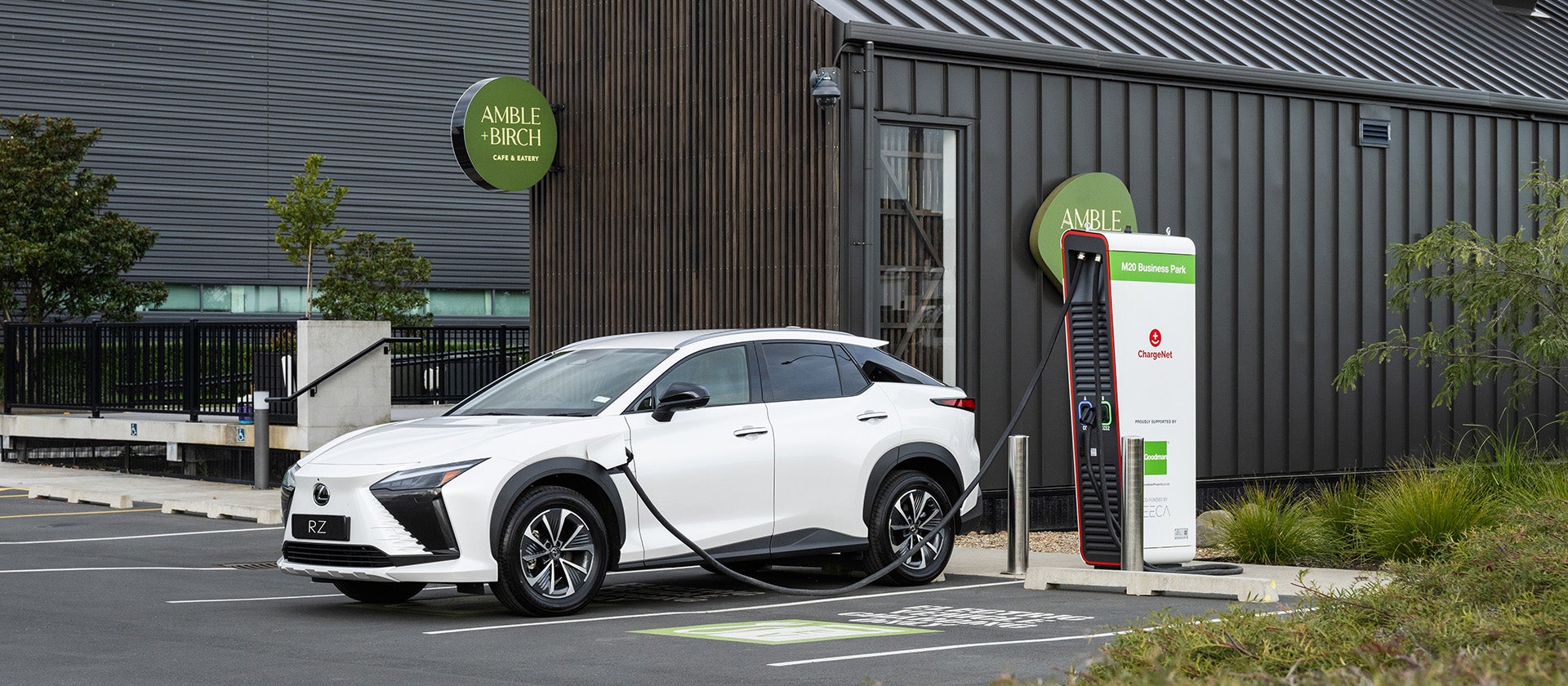
Can Lexus Vehicles Charge at Tesla Superchargers?

Electric vehicle charging access is one of the biggest considerations for current and future Lexus EV owners. With Tesla’s Supercharger Network becoming widely available to other brands, many drivers want to know exactly how Lexus fits into this shift. Here’s what Lexus owners need to know about charging compatibility, access, and what it means for everyday driving. more Can Lexus Charge at Tesla Superchargers? Yes, Lexus vehicles can charge at Tesla Superchargers. If you own a 2023-2025 Lexus RZ, you'll get a free NACS adapter from your dealer that lets you access the Tesla Supercharger Network. For 2026 and newer Lexus battery electric vehicles, you can plug directly into Superchargers with built-in NACS charging ports. This compatibility opens over 25,000 NACS plugs across North America to Lexus EV drivers, dramatically expanding your charging options. Combined with existing infrastructure, you'll have access to over 76,000 AC and DC stations throughout the United States. At Lexus Stevens Creek in San Jose, we help Bay Area drivers navigate this transition with adapter pickups, charging demonstrations, and hands-on guidance for Tesla Supercharger Network access. Understanding NACS: The New EV Charging Standard The North American Charging Standard (NACS) represents a major shift in how electric vehicles charge across the continent. What started as Tesla's proprietary connector has transformed into an industry-wide standard, now formally designated as SAE J3400. This change happened when automakers recognized the practical advantages of Tesla's compact connector design and the strategic value of accessing the most extensive fast-charging network in North America. What Is NACS and How Did It Become the Standard? NACS combines simplicity with capability. The connector handles both AC charging for home use and high-speed DC fast charging at public stations through a single, streamlined port roughly half the size of the previous CCS1 standard. When the Society of Automotive Engineers officially designated it as SAE J3400, NACS shifted from Tesla-exclusive technology to a recognized industry standard. Lexus, along with parent company Toyota, committed to NACS integration for vehicles starting in 2026. This decision gives you the most comprehensive charging access possible. The standardization means future electric vehicle owners won't need to worry about which stations work with their cars. Why Tesla Opened Its Supercharger Network Tesla's decision to open its Supercharger Network to other manufacturers came from both practical and strategic considerations. By welcoming compatible cars, the company increased utilization of its substantial infrastructure investment while supporting broader EV adoption. For luxury EV buyers, this development eliminates significant concerns about charging availability during road trips or daily driving. As a Lexus driver, the practical benefit is clear: you're no longer limited to finding CCS-compatible stations when traveling through areas where Tesla Superchargers dominate the fast-charging landscape. Which Lexus Models Can Access Tesla Superchargers Not all Lexus electric vehicles access Tesla Superchargers the same way. The method depends on your model year and whether your vehicle came with native NACS support or requires an adapter. Model Year Charging Port Supercharger Access Method Additional Notes 2023-2025 Lexus RZ CCS1 Free adapter via dealer Only Lexus-supplied adapters permitted; warranty-covered 2026+ Lexus RZ and BEVs Native NACS (SAE J3400) Direct plug with Plug & Charge Includes adapters for CCS/J1772 backward compatibility Native NACS Support in 2026 and Newer Models Starting with 2026 models, all new Lexus battery electric vehicles will feature NACS ports built directly into the vehicle. This native integration means you'll simply pull up to any compatible Tesla Supercharger, plug in, and start charging without adapters. The 2026 Lexus RZ includes an upgraded 11 kW onboard AC charger, improving home charging speeds compared to earlier models. These newer models support Plug & Charge technology, which handles authentication and payment automatically through the Lexus app after one-time setup. You won't need to download the Tesla app or manage separate accounts. Your 2026 or newer Lexus will include adapters for backward compatibility with older CCS and J1772 charging stations, ensuring you can access virtually any public charger regardless of connector type. Adapter-Based Access for 2023-2025 Lexus RZ If you purchased a 2023-2025 Lexus RZ, your vehicle came with a CCS1 charging port. To access Tesla Superchargers, you'll need a NACS adapter that converts your CCS1 port to work with NACS plugs. Lexus provides one free adapter per vehicle, distributed through dealerships like ours at Lexus Stevens Creek. This adapter is specifically engineered for the RZ's charging system and features a 7.6 kW onboard AC charger capacity. Using unauthorized third-party adapters may void your warranty and impact vehicle performance and safety. We strongly recommend using only the Lexus Genuine Accessories adapter to maintain full warranty coverage and optimal charging performance. How to Get a NACS Adapter for Your Lexus Lexus RZ owners receive a letter directing them to contact their local Lexus dealer for adapter pickup. We verify your vehicle identification number, confirm eligibility, and provide your free Lexus NACS adapter at no cost. At Lexus Stevens Creek, we serve San Jose, Santa Clara, Fremont, Cupertino, and Hayward communities with convenient adapter pickup and personalized demonstrations. When you visit, we'll walk you through the adapter's proper connection technique and show you how to locate compatible Tesla Superchargers using both the Tesla app and third-party charging station finders. We encourage you to schedule time with our EV specialists who can answer specific questions about Lexus RZ charging in the Bay Area. Using Your NACS Adapter: A Step-by-Step Guide For 2023-2025 Lexus RZ Owners (Adapter Method): Download the Tesla app and create an account before your first charging session Locate a nearby Tesla Supercharger using the app or your vehicle's navigation system Pull into an available charging stall, ensuring the cable reaches your charge port Connect the NACS adapter to your vehicle's CCS1 port first, then attach the Supercharger cable to the adapter Open the Tesla app and initiate the charging session by selecting the stall number Monitor charging progress through the Tesla app or your vehicle's display When finished, stop the session in the app before disconnecting the cable and adapter For 2026+ Lexus Owners (Direct Plug & Charge): Complete one-time Plug & Charge enrollment through the Lexus app Drive to any compatible Tesla Supercharger (look for V3 or V4 stations with black-ringed NACS handles) Plug the Supercharger cable directly into your vehicle's native NACS port Charging begins automatically with authentication handled through Plug & Charge Monitor progress through your Lexus app or vehicle display Unplug when complete (payment processes automatically through your enrolled account) The key difference is that adapter users must manually start sessions through the Tesla app, while 2026+ owners enjoy seamless connectivity through the Lexus app after initial setup. Charging Speeds, Costs, and Performance Expectations When using a Tesla Supercharger with your Lexus RZ, expect to charge from 10% to 80% battery capacity in approximately 30 minutes when connected to a station delivering up to 150 kW. Actual charging speeds depend on several factors: your battery's current charge level, ambient temperature, and the specific Supercharger's maximum output. The RZ charges fastest in the lower battery range and gradually slows as you approach 80%. Supercharging costs vary by location and time of day. Tesla typically charges per kilowatt-hour consumed, with rates displayed on the charging screen before you begin. Some high-traffic locations may include idle fees if you remain connected after charging completes. The RZ's charging curve is optimized for its specific battery chemistry and thermal management system. You'll find the most efficient charging sessions by arriving with a battery level between 10-20% and stopping around 80%, which balances charging speed with battery longevity. Discover Electric Lexus Vehicles at Lexus Stevens Creek We're the #1 volume luxury dealer for new and pre-owned Lexus vehicles in Northern California, serving Bay Area communities since 1989. Our San Jose location offers the largest Lexus inventory in the region, including the electric RZ with comprehensive charging access through Tesla Supercharger compatibility. Whether you're picking up your free NACS adapter or considering the switch to electric luxury, our EV specialists provide hands-on demonstrations and real-world guidance. We'll show you exactly how the adapter works and answer specific questions about charging infrastructure throughout Silicon Valley.We are open Monday through Saturday from 9 AM to 8 PM or Sunday from 10 AM to 7 PM. Stop by or contact Lexus Stevens Creek to test drive our full lineup of electric and hybrid models and experience next-level Lexus innovation.