Blog / Car Tips

How Long Do Lexus Brakes Last? Life Span and Factors Explained

Lexus Brake Service

Lexus brake pads typically last between 30,000 and 70,000 miles, surpassing the industry average of 25,000 to 65,000 miles. This extended life span stems from Lexus's commitment to using high-quality materials and advanced braking technology in their vehicles. However, the actual life span of your Lexus brakes can vary significantly based on your driving habits, environment, and maintenance practices.

Understanding how long your Lexus brakes will last allows you to plan for maintenance and replacement costs while keeping your vehicle safe on the road. Regular brake maintenance not only extends the life of your brake components but also helps your vehicle deliver optimal performance and safety.

Factors Affecting Lexus Brake Life Span

Several key factors influence how long your Lexus brake pads will last.

Driving Habits

City driving with frequent stops typically causes faster brake wear than highway driving. This increased wear occurs because urban environments require more frequent brake usage at traffic lights and stop signs. Research shows that drivers who primarily drive in city conditions may need to replace their brake pads more frequently than those who mainly drive on highways.

Your driving style significantly impacts brake longevity. Braking aggressively and following too close to the vehicle in front force you to brake harder and more frequently, leading to accelerated wear. Front brake pads often wear faster than rear pads due to the natural weight transfer that occurs during braking, with front brakes handling up to 70% of the stopping power.

Situational Factors

Environmental and situational factors also play a major role in brake pad life. Driving in hilly areas or mountainous terrain requires more frequent braking, particularly on long downhill stretches. Similarly, heavy traffic conditions lead to more brake usage and faster wear. Vehicle weight, including cargo and passengers, affects braking performance and pad wear — heavier loads require more braking force.

Weather Conditions

Weather and storage conditions impact brake component longevity. Moisture exposure can accelerate wear and cause rust formation on brake components. Keeping your vehicle in a covered area helps protect your brake system from environmental damage.

Ultimately, the answer to "How long do brakes last?" may vary from one driver to another. Experts at a Lexus service center can help you determine your ideal brake pad replacement interval. 

Signs of Worn Brake Pads

Recognizing the signs of worn brake pads helps prevent costly repairs and maintains your safety. Some of the signs of failing brakes include:

  • Squealing noise: A common sign is a high-pitched squealing or screeching noise when you apply the brakes. This sound comes from a built-in wear indicator that contacts the rotors when brake pads need replacement.
  • Grinding noise: Hearing grinding sounds while braking indicates brake pads have worn completely through the pad material. This metal-on-metal contact can damage your brake rotors, leading to more expensive repairs.
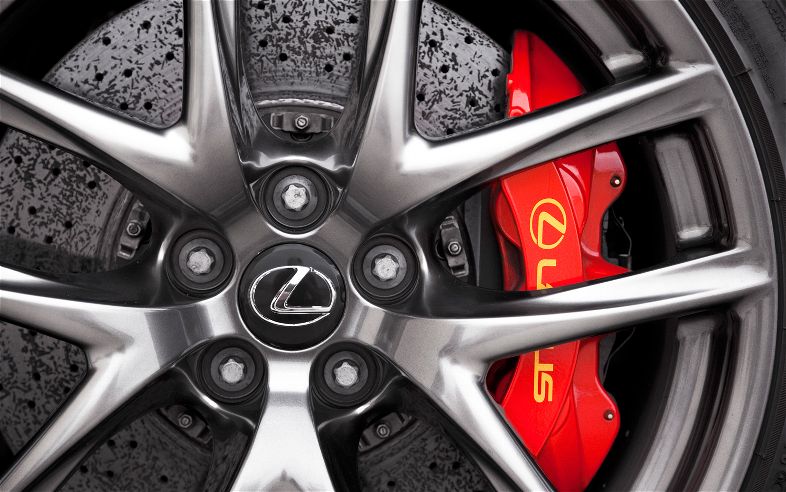
  • Other warning signs: Other signs include brake pedal vibration or pulsation, increased stopping distance, a soft or spongy brake pedal feel, the vehicle pulling to one side during braking, burning odors while driving, and visible wear when looking through the wheel spokes.

Lexus Brake Maintenance Tips

You should schedule brake inspections during every service visit. Professional technicians can measure pad thickness and inspect other brake components for wear. By catching potential issues early, regular maintenance significantly extends the life of your Lexus braking system.

Developing good driving habits can also reduce brake wear. Try to maintain a safe following distance, anticipate stops to avoid sudden braking, remove unnecessary weight from your vehicle, coast to slow down when possible, and avoid riding the brake pedal.

Using high-quality replacement brakes can help maintain your Lexus's performance standards. Original equipment manufacturer Lexus brake components will provide optimal performance and durability.

When To Replace Lexus Brake Pads

Most Lexus owners replace their brake pads around the 40,000-mile mark to maintain safety and performance. The cost for brake pad replacement ranges from $150 to $300 per axle, including parts and labor. This varies based on your specific Lexus model and the type of brake pads selected.

Luxury car brake pads typically cost between $150 and $250 per set, while standard brake pads range from $75 to $120. While these prices may seem high, using quality parts prevents more expensive repairs and maintains your vehicle's safety.

Don't wait until you experience problems to replace your brake pads. Regular inspections help identify when you need to replace them before damage occurs to other components.

Lexus Brake Technology and Longevity

Lexus vehicles feature advanced brake technologies that improve safety and extend component life. An anti-lock brake system comes standard on all Lexus vehicles, preventing the wheels from locking up during emergency braking. Brake assistance technology compensates for insufficient emergency braking by automatically applying additional brake force when needed. Moreover, Lexus models come with electronic brake force distribution, which adjusts braking pressure between wheels for optimal grip and stability in various driving conditions. Additional safety features include electronically controlled brakes and a pre-collision safety system. 

If you own an electrified Lexus model, your vehicle may have a regenerative braking system. This system slows down brake pad wear by reducing reliance on traditional friction brakes. 

All these systems work together to provide optimal braking performance while preventing excessive wear. Lexus vehicles consistently receive high safety ratings, with the UX, IS, and ES achieving the maximum five-star safety rating in crash tests with the National Highway Traffic Safety Administration. 

Maximize Your Lexus Brake Life at Lexus Stevens Creek

Regular maintenance and inspections help identify potential issues before they become serious problems. For professional brake service and maintenance in San Jose, California, visit Lexus Stevens Creek. The certified technicians at our service center understand the specific needs of your Lexus model and can help maintain its brake performance and safety standards. Contact us today to schedule your service appointment.
Posted in:

Related Posts

Lexus Owner FAQs: Maintenance Lights, TPMS, BSM, and More

Lexus Owner FAQs: Maintenance Lights, TPMS, BSM, and More

Owning a Lexus means driving one of the most refined vehicles on the road, but even the best-engineered cars come with questions. A dashboard light you don't recognize, a TPMS warning that appeared overnight, a key fob that stopped responding for no apparent reason. Knowing how to handle these moments is what keeps ownership from becoming stressful. This guide covers the most common Lexus owner FAQs so you can act confidently and keep your vehicle performing the way it should. If your vehicle needs attention now, schedule a service appointment with our team at Lexus Stevens Creek and we'll take it from there. What Are the Most Common Questions Lexus Owners Have? The questions we hear most often cluster around a few key areas: interpreting dashboard warnings, resetting service reminders, understanding safety features like the Blind Spot Monitor, and handling basic upkeep like tire pressure resets and key fob battery replacements. These aren't signs of inexperience. They reflect how much is packed into a modern Lexus. Our service team hears them regularly from drivers across all model lines, from the popular RX 350 to the performance-focused IS 500. If you're also considering a new vehicle alongside your service needs, browse our new Lexus inventory to see what's available. Getting clear answers makes a real difference in how confidently you drive and how well you maintain your car over the long haul. How Do I Reset the Maintenance Required Light on My Lexus? The Maintenance Required light is probably the most frequently Googled topic in Lexus troubleshooting. It appears suddenly, offers almost no explanation, and can feel more alarming than it actually is. In most cases, it simply means your vehicle has hit a scheduled service interval and needs a routine checkup. What Triggers the Maintenance Required Light? Lexus vehicles track mileage to determine when scheduled maintenance is due. The light typically appears at roughly every 5,000 miles after the last service reset. For drivers using full synthetic oil, the service interval extends to around 10,000 miles, though the reminder still triggers at 5,000. Driving habits matter too. Frequent short trips and stop-and-go Silicon Valley commute traffic can accelerate wear on engine oil and fluids, meaning your actual service needs may arrive sooner than the standard schedule suggests. Step-by-Step: Resetting the Maintenance Light Yourself Once you've completed the required service, resetting the light is pretty straightforward. The exact steps vary slightly by model year. For older models: Turn the vehicle off. Press the start button without pressing the brake pedal to enter accessory mode. Use the trip meter button on the instrument cluster to navigate to the Trip A or odometer display. Hold that button down for several seconds until the display flashes and resets to zero. Turn the vehicle off and restart it. The light should be gone. For newer models with a touchscreen multi-information display, navigate to vehicle settings, locate the maintenance section, and select the reset option. If you're unsure which procedure applies to your trim, our service team is happy to walk you through it. What Is BSM on a Lexus and How Does It Work? BSM stands for Blind Spot Monitor. Lexus equips this system with radar sensors mounted behind the left and right sides of the rear bumper to detect vehicles traveling in adjacent lanes. When another vehicle enters your blind spot zone, a warning indicator lights up in or near the corresponding side mirror. Signal a lane change while that indicator is active, and the system issues a more urgent alert to stop you from merging into an occupied lane. Highway driving, tight urban lane changes, merging onto busy Bay Area freeways. All of it becomes noticeably less stressful with BSM active. Why Is My BSM Light On and What Should I Do? If the BSM indicator stays lit when no vehicle is nearby, or a message appears saying the system is unavailable, a few likely causes are worth checking. The radar sensors sit near the rear bumper corners, which makes them vulnerable to blockage from mud, snow, ice, or heavy debris. Start with a visual inspection. Clean the sensor areas gently with a soft cloth and warm water, then see if the system reactivates. If that doesn't resolve it, the issue could point to sensor misalignment following a repair, a software glitch, or internal sensor damage. At that point, having a factory-trained technician run diagnostics is the right call. Persistent BSM warnings shouldn't be ignored. How Do I Reset the Tire Pressure Monitor on My Lexus? The TPMS keeps an eye on air pressure in each tire and alerts you when one or more drops below the recommended threshold. Bay Area temperature swings, common in the San Jose area, can cause temporary pressure drops that trigger the light even without a puncture. After inflating a tire, rotating tires, or installing a new set, you'll often need to reset the system so it recalibrates properly. On most Lexus models, navigate to vehicle settings on the dashboard display, find the TPMS or tire pressure section, and select the reset or initialize option. The system will relearn correct readings as you drive, usually within a few miles. Always confirm your tires are inflated to the correct PSI first. That number is printed on the sticker inside the driver's door jamb. If your tires check out and the light stays on, visit our service department for a tire pressure inspection. Our technicians can confirm whether the issue is pressure-related or points to something else. When Does a TPMS Warning Signal a Sensor Problem? Not every TPMS alert means your tires are underinflated. Lexus uses a direct TPMS system with individual battery-powered sensors mounted inside each wheel. Those batteries typically last 5 to 10 years before they need attention. A dead or damaged sensor triggers a fault warning that looks different from a standard low-pressure alert. The low-pressure light shows a cross-section of a tire with an exclamation point. A sensor malfunction usually shows the same symbol alongside a separate indicator or an accompanying message on the display. If you suspect a sensor issue, a diagnostic check is the right next step. How Do I Replace the Battery in My Lexus Key Fob? This is one of the easiest DIY tasks a Lexus owner can handle. Most Lexus key fobs use a CR2032 lithium coin battery, available at most pharmacies or hardware stores for roughly $3 to $8. Battery lifespan is typically 1 to 2 years. To replace it: Locate the small mechanical key hidden inside the fob and remove it. Use a flathead screwdriver to gently remove the key fob cover plate. Remove the old battery and note its orientation. Press the new CR2032 into place in the same position. Snap the casing back together and test. Signs that the battery is running low include having to move closer before the fob responds, needing to press buttons multiple times, or seeing a low-battery warning on your dashboard. What If My Key Fob Still Does Not Work After a Battery Change? First, confirm the battery is seated correctly with the positive side facing the right direction. Even a slight misalignment will prevent the fob from working. Then check the battery contacts inside the fob for corrosion or visible damage. If the fob looks physically fine but still won't respond, it may have lost its pairing with the vehicle, or there could be internal or water damage requiring reprogramming. That requires a dealership visit, since the process involves syncing the fob to the vehicle's onboard computer. Our team at Lexus Stevens Creek can handle this quickly. What Other Dashboard Warnings Do Lexus Owners Ask About? Beyond maintenance reminders and TPMS alerts, the Lexus dashboard can display a range of symbols that aren't always self-explanatory. Here's a quick reference for the most common warnings: Immediate Action — Stop Driving Schedule Service Soon Red Oil Pressure Light (oil can icon) Check Engine Light (amber) Red Temperature Light (thermometer icon) Maintenance Required Light (amber) Red Brake System Light TPMS Warning Light (amber) Red Battery Light ABS Light (amber) As a general rule: red lights are urgent. Amber lights need attention soon but typically don't require stopping immediately. Check Engine Light vs. Maintenance Required Light These two warnings are commonly confused. Here's the key difference: Maintenance Required Light Check Engine Light Icon Amber wrench Amber engine outline Cause Mileage-based service reminder Detected engine or emissions fault DIY reset? Yes, after service No — requires diagnostic scanner Urgency Schedule routine service Schedule diagnosis promptly The Maintenance Required light carries no diagnostic information. The Check Engine light stores fault codes that a technician needs to read. Letting it go can turn a minor issue into a costly repair. Still Have Questions? Visit Lexus Stevens Creek for Expert Help Some questions are easy to resolve with a quick reset or a fresh battery. Others need trained eyes and the right diagnostic equipment. That's where having a reliable Lexus center in San Jose really matters. Our service center is staffed by factory-trained technicians and is open Monday through Saturday from 7 AM to 6 PM. Whether you need a routine oil change, a BSM diagnostic, a TPMS sensor replacement, or key fob reprogramming, we're ready to help. If you're keeping up with your service history, that record can also add real value when it's time to trade in. You can get an instant cash offer to find out what your Lexus is worth. Contact us or schedule your next service appointment online. Lexus ownership doesn't have to be complicated. With the right team behind you, keeping your vehicle in peak condition is straightforward.

Lexus RX 350 Garage Door Opener

How to Program Your Lexus RX 350 Garage Door Opener

Setting up your Lexus RX 350's HomeLink system only takes a few minutes and saves you from juggling multiple garage remotes in your car. Whether you're programming HomeLink for the first time or starting fresh after a system reset, we'll show you exactly how to program your Lexus RX 350 garage door opener using those buttons on your rearview mirror or overhead console. What You Need Before Programming Your Lexus RX 350 HomeLink Gather these items before you start: Your handheld garage door remote (make sure the battery's fresh) Access to the "learn" button on your garage door motor unit (check the back or side panel) Your vehicle with the ignition in accessory mode Reprogramming existing buttons? You'll want to clear the old codes first. Hold HomeLink buttons 1 and 3 together for about 10 seconds until the LED changes from solid to flashing rapidly. HomeLink works with most major brands like Chamberlain, Genie, and LiftMaster. This same process works for other Lexus models too (RX 330, RX 400h, GX, and NX). Step-by-Step Guide to Programming Your Garage Door Opener Here's how to get everything connected: Find the HomeLink buttons on your rearview mirror or overhead console. You'll see three buttons you can program. Press and hold your chosen HomeLink button until the LED starts blinking slowly. This activates programming mode. Position your garage remote 1-3 inches from the HomeLink buttons. Now press both your garage remote button and the HomeLink button at the same time. Keep holding until the LED flashes rapidly (usually takes 10-30 seconds). Locate the "learn" button on your garage door motor inside your garage and press it once. The motor's light will come on. Get back to your car within 30 seconds and press your programmed HomeLink button 2-3 times. Your garage door should respond, which means you've got it working. Having trouble with the setup? Our certified technicians at Lexus Stevens Creek can make sure your HomeLink system connects properly. Quick Troubleshooting Tips If things don't work right away, here are some fixes: LED won't blink rapidly: Swap out your garage remote battery and hold the remotes closer during pairing. Door doesn't respond after programming: Hit the HomeLink button several times right after you activate the motor's "learn" button. Programming keeps getting erased: Clear all existing codes first (hold buttons 1 and 3 for about 10 seconds until the LED changes from solid to flashing rapidly), then start over. System won't work at all: Some newer systems that use Security+ 2.0 technology, such as certain LiftMaster and Chamberlain models, may require additional programming steps. Check the HomeLink website or your garage door opener manual for model-specific instructions. Get Expert Help at Lexus Stevens Creek Still can't get HomeLink working? Our Bay Area service team can program your garage door opener during any regular maintenance visit, which saves you the hassle. Schedule a service appointment online or give us a call at 408-878-4122.

2024 Lexus RZ

How To Road Trip With a Lexus EV

Taking a road trip with an electric vehicle (EV) is no longer a dream but a reality. In fact, EVs are becoming the preferred road trip companion for savvy Bay Area travelers who care about both luxury and the environment. Modern EVs, such as the sophisticated Lexus RZ, make long-distance travel both doable and downright enjoyable, offering whisper-quiet comfort mile after mile. With charging infrastructure expanding and navigation systems getting smarter all the time, planning an electric adventure is now a real possibility. Preparing for Your EV Road Trip: Essential Tips The 2025 Lexus RZ delivers up to 308 horsepower through its advanced 72.8 kWh lithium-ion battery pack — perfect for those Peninsula commutes and weekend escapes to Napa. The RZ 300e gets an EPA-estimated range of 266 miles, while the sportier RZ 450e has an all-electric range of 196 miles, giving you enough power to reach Carmel and back with a few stops. With DC fast charging, your battery can hit 80% in just 30 minutes, while Level 2 home charging takes 9.5 hours for a full charge. Route planning becomes easier with the right apps. A Better Routeplanner calculates your exact charging needs using vehicle-specific information and weather data, while PlugShare and ChargePoint help you find, and even pay for, EV charging. When it comes to finding hotels with charging facilities, major platforms such as Expedia and Hotels.com have filters to help you find compatible accommodation. Just keep in mind that not all charging stations are reliable, so always have a backup plan, especially in remote coastal areas or mountain locations where options may be thin. On the Road: Maximizing Efficiency and Enjoyment Most EVs hit peak efficiency at 50 to 60 mph —perfect for those scenic highway drives. Dropping your speed by just 10 mph can increase energy efficiency by up to 14%, translating to real miles when you're pushing toward Mendocino or beyond. Using gentle throttle inputs and regenerative braking to maximize energy recovery can also help to extend your EV's range. Climate control is another factor, capable of reducing efficiency by 10% to 30% depending on how you use it. Cabin heating can draw as much as 5,000 watts compared to just 75 watts for heated seats. For better range, switch to driver-only climate zones and use heated seats only on long drives. You can also preheat the cabin while your EV's still plugged in at home to save range once you hit the road. Good charging etiquette keeps the EV community happy. Stay with your car during fast charging sessions if possible, or at least leave contact information if you must step away — other drivers appreciate knowing when you'll return. Don't charge to 100% unless absolutely necessary for your next leg, and make sure to move your car immediately when charging is complete — don't be that person hogging the stall. Use your charging breaks wisely — grab a coffee, browse nearby shops, stretch your legs, or catch up on a good book — so you're feeling refreshed once it's time to get back on the road. What To Do if Something Goes Wrong Recent reports suggest that one in five charging sessions run into problems, but that means four out of five work perfectly fine. Almost a quarter of all issues involve payment system glitches, so keep multiple charging apps installed and backup payment methods ready — such as Apple Pay, Google Pay, and physical cards — to try if your first attempt fails. EV roadside assistance has improved dramatically over recent years, offering real solutions for stranded drivers. The AAA now provides mobile charging services in select cities, and manufacturers typically provide solid warranty support. Surprisingly, most EV breakdowns don't actually involve dead batteries, with flat tires remaining the most common issue Smart road trip preparation means packing an emergency kit specifically for your EV. Include a heavy-duty 100-foot extension cord for Level 1 charging access from distant outlets, plus essential adapters. Don't forget standard emergency supplies, too — a comprehensive first aid kit, extra water, nonperishable snacks, warm blankets, a powerful flashlight, and reflective warning triangles are all vital. If you're travelling in remote coastal or mountain locations where cell service is spotty, consider adding communication backups such as a Starlink Mini, CB radio, or satellite communicator. Experience the Future of Road Trips With Lexus EVs Lexus EVs such as the RZ are completely transforming the road trip experience, combining premium comfort with zero-emissions travel. As charging infrastructure expands nationwide and DC fast chargers become more accessible, EV road trips are turning from dreams into reality. Ready to start your own electric adventure and experience luxury travel that's both sustainable and sophisticated? Contact us at Lexus Stevens Creek to discover the RZ's impressive capabilities and receive expert route planning assistance from our knowledgeable EV specialists.