
Blog

Can't-Miss Hiking Trails in the Bay Area

A covered hiking trail in the San Francisco Bay Area

Ask ten Bay Area hikers for their favorite trail and you'll get ten different answers. That's part of what makes this region so good for hiking. You've got coastal bluffs a short drive from redwood canyons, and East Bay summits not far past either one, all packed into a surprisingly compact stretch of geography.

We put together this guide because, from our home base in San Jose, we spend nearly as much time on these trails as we do behind the wheel getting to them. If you're gearing up for a season of exploring, you can browse new Lexus inventory built for trailhead runs, dirt roads, and everything in between.

Why the Bay Area Is a Hiker's Paradise

Few regions pack this much ecological range into a two-hour radius. You can walk under 250-foot redwoods in the morning and stand on a wind-scoured coastal bluff by lunch. Mild temperatures year-round mean hiking around Bay Area trails rarely goes fully out of season, though summer fog on the coast and dry heat inland change what "comfortable" looks like depending on where you go. Whether you want easy hikes in San Francisco or a demanding summit push in the East Bay, the options below cover every fitness level.

Easy and Family-Friendly Trails

Lands End Trail, San Francisco

This 3.26-mile out-and-back along the northwestern San Francisco coastline takes about 1.5 to 2 hours and delivers views of the Golden Gate Bridge, Marin Headlands, and open Pacific. Along the way, you'll pass the Sutro Baths ruins and staircases leading to Eagle's Point Overlook. It's wheelchair-accessible from the Merrie Way parking lot, and leashed dogs are welcome. Read more in this Lands End trail guide.

Glen Canyon Park, San Francisco

Tucked off Elk Street and O'Shaughnessy Boulevard, the 66.6-acre Glen Canyon Park park holds a 3.7-mile trail network built around the free-flowing Islais Creek and dramatic chert rock formations. Spring brings wildflowers, and the 1.2-mile Creek to Peaks trail climbs toward Twin Peaks with rewarding city and bay views.

Sunol Regional Wilderness, East Bay

Established in 1962, this 6,850-acre East Bay Regional Park District property sits near Sunol, south of Pleasanton and east of Fremont. Grazing cattle share the trails here, so follow posted District safety guidance around livestock. Stop by the Old Green Barn Visitor Center, then head toward Little Yosemite, a small gorge along Alameda Creek. Elevations climb from roughly 400 to over 2,200 feet, and there's no water on the trails, so pack your own. Full details in this Sunol Regional Wilderness hike guide.

Riverfront, Waterfall, and Redwood Trails

Uvas Canyon Waterfall Loop, South Bay

This 1,147-acre park in the eastern Santa Cruz Mountains has 7.2 miles of trails total. The 1-mile Waterfall Loop follows Swanson Creek, while the fuller loop combining the Waterfall Loop, Contour Trail, and Alec Canyon Trail visits multiple waterfalls across 3.5 miles. Day-use reservations are required daily, so plan ahead. More on the Uvas Canyon Waterfall Loop.

Cataract Falls, Mount Tamalpais

On Mt. Tam's northern slope, the Cataract Trail follows Cataract Creek from its origin on the mountain down to Alpine Lake, passing through ferns and stands of coast redwood and Douglas fir, with tanoak and bay laurel filling in the understory. The trail runs roughly 3 miles between Alpine Lake and Rock Spring parking. Flow is strongest after winter storms and noticeably lower by late summer, so check with Marin Water for current conditions before you go. Details in this Cataract Falls trail write-up.

Muir Woods National Monument, Marin

Muir Woods offers 6 miles of trails with loop options running roughly 30 minutes to 90 minutes. The Main Trail follows Redwood Creek across boardwalk, asphalt, and packed soil; the shortest loop, a flat 0.5 miles, ends at Bridge 2, while a longer 2-mile version reaches Bridge 4. The tallest redwood here reaches 258 feet within 550-plus acres of old growth. Pets, bikes, and camping aren't permitted, and parking requires a reservation through GoMuirWoods.com. Learn more from the National Park Service on Muir Woods.

Scenic Coastal and Ridge Hikes

Point Reyes National Seashore, Marin

Home to over 1,500 plant and animal species across roughly 150 miles of trails, Point Reyes is worth the drive north. Pick up maps at the Bear Valley Visitor Center. Alamere Falls, a tidefall dropping into the Pacific, is a highlight, but stick to official trails toward Wildcat Campground before descending to the beach, and check the NPS advisories page for current status. More at this Point Reyes hiking resource.

Marin Headlands: Hawk Hill and Slacker Hill

Part of the Golden Gate National Recreation Area, this area also includes Rodeo Lagoon, Gerbode and Tennessee Valley, and Point Bonita Lighthouse. A 2017 trail realignment opened up Hawk Hill's 360-degree views to more visitors, and it's prime territory for fall raptor migration viewing on fog-free days between 10 a.m. and 2 p.m., September and October. It's also mission blue butterfly habitat, so stay on trail. Slacker Hill pairs naturally via the Coastal Trail. See this Marin Headlands lookout guide.

Devil's Slide Coastal Trail, Pacifica

This 1.3-mile paved trail follows a former stretch of Highway 1, with separated lanes for hikers and cyclists, plus benches, observation scopes, and restrooms along the way. It's part of the California Coastal Trail, a route that will eventually run 1,200 miles between Oregon and Mexico. On clear days, views stretch to Pedro Point Headlands, Mt. Tam, and Point Reyes. Full write-up at this Devil's Slide Trail guide.

Adventurous Day Hikes and Summit Climbs

Mission Peak Regional Preserve, Fremont

Mission Peak connects to the 28-mile Ohlone Regional Wilderness Trail, linking Mission Peak, Sunol, Ohlone Wilderness, and Del Valle. The summit approach is rugged, and the payoff is a sweeping valley and bay view. Late-July heat makes early starts and extra water non-negotiable here. More context via this Ohlone Wilderness Trail overview.

Mount Diablo State Park, East Bay

Mount Diablo is one of the East Bay's most recognizable summits, with fire roads and single-track trails radiating from the peak and serious elevation gain for anyone tackling it from the base. Panoramic views make it worth the climb, but treat it with the same heat caution as Mission Peak during summer months.

Mount Umunhum, Sierra Azul Preserve

At 19,000-plus acres, Sierra Azul is Midpen's largest preserve, and Mount Umunhum's peak sits at 3,486 feet, the highest point on the Bay Area Ridge Trail. From the top, you're looking down over Lexington Reservoir, Los Gatos, and southern San Jose, close enough to home that we consider it a neighborhood hike. The Guadalupe Creek Overlook marks roughly a third of the way up, and the round trip runs 8.2 miles with 1,187 feet of elevation gain, taking about 3.5 to 4 hours. The upper 3 miles stay shaded under coast live oak and foothill pine, with California bay and Pacific madrone mixed throughout. Gates open at 7 a.m. and close at sunset. Read more in this Mount Umunhum trail resource.

Worth the Drive: Santa Cruz Mountain Escapes

Big Basin Redwoods and Berry Creek Falls

Big Basin is California's oldest state park, known for old-growth redwoods and the multi-cascade Berry Creek Falls loop. Recovery from the 2020 CZU fire is ongoing, and the old observation platform near the falls was destroyed in that fire, so trail access and conditions change. Verify current status on the official California State Parks site before you head out. More background at this Bay Area redwood hikes overview.

Henry Cowell Redwoods State Park

This park mixes coast redwood and Douglas fir with bay laurel and tanbark oak across trails suited to hikers of most levels, plus seasonal fishing, camping, and birdwatching. The Fall Creek Unit, a second-growth forest with a fern-lined canyon and remnants of the old lime industry, is day-use only. Horses are restricted on named trails and drones aren't allowed. A $10 day-use parking fee applies (per California State Parks; $9 for seniors 62+). Details at this Henry Cowell Redwoods guide.

Trail Tips: Seasons, Permits, and Safety

Rainy season, roughly November through March, is what actually fills creeks and waterfalls, so if you're chasing waterfalls, wait until after a few good storms before heading to Uvas Canyon or Cataract Falls. Summer brings coastal fog along the Pacific side while inland areas like Mission Peak and Mount Diablo turn hot and dry, though redwood groves stay cool. Autumn tends to offer the clearest, least foggy days, and winter turns hillsides green and trails muddy while waterfalls reappear.

On the safety side, learn to spot poison oak: leaves grow in groups of three, gently lobed, showing up as a bush, vine, or ground cover in green or reddish tones. Many people react to it, so long pants are a smart call on brushier trails. Watch for ticks and rattlesnakes on grassy or rocky sections, and respect fog and wind on exposed coastal trails like Lands End or Devil's Slide. At Sunol, follow East Bay Regional Park District guidance around grazing cattle. Given this is late July, treat Mission Peak and Mount Diablo with real heat caution, watch general fire risk, and expect lower water flow at Cataract Falls and Uvas Canyon than you'd see in spring.

Explore the Bay Area in Comfort with Lexus Stevens Creek

Gear and Driving Tips

Good gear gets you to the trailhead, but the drive there matters too. Rough fire roads leading to Mount Umunhum or Mount Diablo, gravel lots at Sunol, and foggy coastal turns near Devil's Slide all benefit from a vehicle with confident all-weather capability and enough cargo room for your boots and packs, plus whatever gear you end up hauling back muddy after the hike. An AWD-capable Lexus handles that kind of range without much fuss, and if you want to look before a weekend trip, you can find an AWD-capable Lexus in our current lineup.

Contact Us

Whether you're chasing scenic hikes in Bay Area redwood groves or ridge-top views near Los Gatos, having reliable transportation makes the whole outing easier. We're proud to be Northern California's top-volume Lexus dealer for new and pre-owned vehicles, and we've been serving Silicon Valley from Stevens Creek Boulevard since 1989. If you have questions about which model fits your outdoor plans, or want to schedule a pre-trip service check, contact Lexus Stevens Creek and we'll help you get ready for your next trail day.


Photo by Megan Lee on Unsplash


Recommended Posts

Tree-lined city street glowing with warm Christmas lights at night

Best Christmas and Holiday Light Displays Near San Jose, CA

The South Bay does holiday lights well, from a downtown plaza full of animated exhibits to a lakeside walk-through in Los Gatos and neighborhood streets made for a slow stroll. If you’re planning a night around Christmas lights in San Jose, CA, this guide covers what’s ticketed, what’s free and how to plan the evening. Schedules and requirements can change, so confirm details on each official event site before you go. Best Christmas Lights in San Jose, CA at a Glance Here is a quick comparison of the best Christmas lights in San Jose and nearby, grouped by format and location, with a note on who each one suits. Fantasy of Lights at Vasona Lake County Park is ticketed and in Los Gatos. It works best for families and photographers. Christmas in the Park is free and in downtown San Jose. Pets, toddlers, and sensory-friendly visits are where it shines. San Jose Holiday Lights is ticketed and in downtown San Jose. Date night and teens are the natural fit. North Pole Nights at Gilroy Gardens is ticketed and in Gilroy. Kids and ice skating fans will like it most. Willow Glen is free and residential, a good pick for an unhurried walk. Ticketed Light Shows and Walk-Through Displays Ticketed displays take more planning, but you get organized routes and entertainment, with food right there. Check the official event page for current pricing and updates before you buy. Fantasy of Lights at Vasona Lake County Park Fantasy of Lights at Vasona Lake County Park is a ticketed walk-through at 333 Blossom Hill Road in Los Gatos. Think of it as a park outing near San Jose rather than something inside the city. The 2026 nights are December 5 to 6 and December 12 to 13, from 4:00 p.m. to 9:00 p.m. You'll see an erupting volcano at Dinosaur Den, Santa shooting hoops, playful penguins, pirate cannons, and tunnels of moving lights. There are also food trucks, family photo spots, live entertainment, and a drone show each night, weather permitting. It runs rain or shine. Every attendee, including children 3 and under, needs a ticket, and entry is guaranteed only with a prepaid ticket. Sales begin in phases on November 1 at 8:00 a.m., November 6 at 6:00 p.m., and November 9 at 12:00 p.m. Free parking and shuttles are at Netflix, 121 Albright Way, Los Gatos. Best for families and photographers, and for kids who love a show. Christmas in the Park in Downtown San Jose For more than 45 years, Christmas in the Park has transformed downtown San Jose’s Plaza de César Chávez, on Market Street between San Fernando and San Carlos streets, into a free holiday wonderland. It runs from November 27, 2026, through January 1, 2027, daily from noon to 10 p.m., kicking off with an opening-night ceremony from 6 to 7 p.m. Wander an enchanted forest of more than 600 decorated trees and over 40 musical and animated exhibits, including the beloved Lima Train, then step inside a 50-foot walk-in Christmas tree and see the 60-foot Community Giving Tree. Santa photos are free nightly through December 24, and you’ll find food at the south-end food court and Santa’s Snack Shack at the north end. Admission is free, but parking isn’t included, so reserve a spot ahead through SpotHero, the event’s official parking partner. Dogs are allowed on leash and supervised, but not in Santa's House except on Pet-Friendly Days, December 6 and 19, from 10:00 a.m. to 3:00 p.m. Sensory-friendly hours are December 13 and 27, from 9:00 a.m. to 2:00 p.m. Best for toddlers and pets, or anyone who likes a calmer pace. Other South Bay and Bay Area Displays Worth the Drive San Jose Holiday Lights is ticketed and sits at 330 W. San Carlos Street. It runs November 13, 2026 through January 1, 2027, daily from 4:30 p.m. to 10:30 p.m. Six themed zones guide the walk: Golden Christmas, Enchanted Jungle, California Garden, Mermaid Current, Cactus Mirage, and White Christmas Wonderland. You'll also find illuminated public art, live-painted sculptures, outdoor film screenings, food and drinks, a holiday lounge, and live entertainment. Check the official site for current tickets and details. Best for date night and teens. North Pole Nights at Gilroy Gardens is ticketed and runs on select evenings from November 21 through December 31, 2026. It features light displays, a 100-foot animated musical Tunnel of Lights, live shows, ice skating, festive food and drinks, characters, a North Pole Village, and Santa's post office. Admission requires a single-day ticket or a valid Premium Membership. Confirm evening dates on the official site. Best for young kids and families making it a full evening out. Free Neighborhood Christmas Light Streets in the South Bay Neighborhood viewing is flexible and free, but it's less predictable than a managed event. Homeowners decide when displays go on, and participation can change from year to year. For Christmas lights in the South Bay, think of these as a bonus stop, since a show isn't guaranteed. Top Neighborhoods and Streets in San Jose Willow Glen is the neighborhood to know. Its display centers around the 1000 block of Glen Brook Avenue and spans several blocks with themed streets such as Candy Cane Lane, so plan on parking nearby and strolling rather than a quick drive-by. Pair it with dinner on Lincoln Avenue, Willow Glen’s main street, for an easy evening out. Best for families and couples who like a slow stroll. The 2026 dates and hours aren't confirmed. The display typically runs from mid-December into early January, so check local updates before you go. How to Plan Your Holiday Light Night Build the night around one main destination, then add a stop only if timing allows. Shortly before you leave, check the official event page for weather changes and entry instructions, along with accessibility details. Best Dates and Times to Avoid Crowds Weekends and holidays can mean longer waits at San Jose Holiday Lights. Weekend nights at Christmas in the Park can be very busy for pets. Weeknights and early evening arrivals usually give you more breathing room, though no date or time is guaranteed to be quiet. For Fantasy of Lights, the limited nights make a prepaid ticket the first thing to lock in. Tickets, Parking, and Public Transit Confirm what each ticket covers before you go, and keep ticketed and free events separate in your plans. For San Jose Holiday Lights, parking within a three-to-five-minute walk includes the Almaden/Woz Lot, the Ernst & Young Garage at 303 Almaden Boulevard, and SP+ Parking at 280 S. Market Street. Transit is another option. Take the VTA Light Rail Blue Line to Children's Discovery Museum Station, or the VTA bus stop at San Carlos and Guadalupe River, served by routes 23, 64A, and Rapid 523. For Fantasy of Lights, use the free parking and shuttles at Netflix. Before busy holiday travel, charge or fuel up, and consider a quick service check so the drive is the easy part. What to Bring for Families, Kids, and Pets A short checklist helps most groups: Layers for cool evenings. A thermos of something hot. A stroller or wagon for little legs. Each venue's pet policy, checked in advance. A charged phone for tickets and navigation. Tips for Viewing Neighborhood Lights Respectfully Residential displays are someone's home, so a little courtesy goes a long way. Drive slowly in residential areas. Keep noise down, especially later in the evening. Don't block driveways or stop in traffic lanes. Follow posted rules and requests. Never trespass or touch decorations. Enjoy the Holiday Season with Lexus Stevens Creek Whether you’re strolling Christmas in the Park or heading to Fantasy of Lights in Los Gatos, a quiet, comfortable ride makes every holiday outing better. This season, stop by Lexus Stevens Creek at 3333 Stevens Creek Blvd. to explore our new Lexus lineup, or let our service team give your vehicle a quick pre-trip check before the holiday rush. Have questions? Contact us anytime. We hope your season is merry, bright and full of twinkling lights.

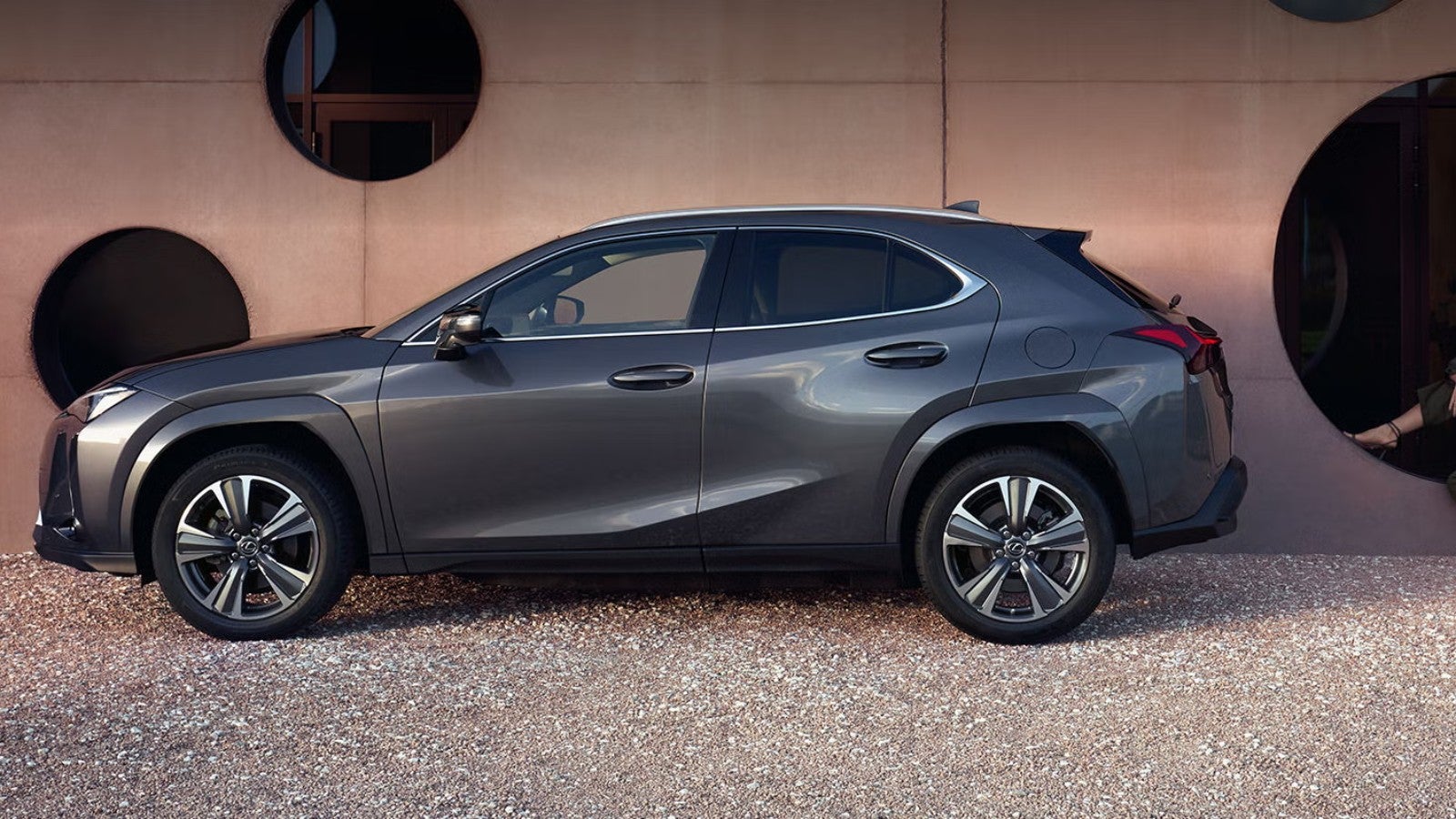
Gray Lexus UX hybrid crossover shown from the side

How Long Do Lexus Hybrid Batteries Last? Lifespan, Warranty, and Replacement Signs

If you’re wondering how long Lexus hybrid batteries last, here’s the short version. Industry estimates from Kelley Blue Book suggest hybrid batteries in general commonly last at least 10 years or 100,000 to 150,000 miles, though that’s a broad range for hybrids as a group, not a Lexus promise. Separately, Lexus backs hybrid batteries on 2020 and newer models with coverage for 10 years or 150,000 miles, whichever comes first. Warranty coverage isn’t the same as a lifespan guarantee, and our service team can help you understand exactly where your vehicle stands. How Long Do Lexus Hybrid Batteries Last? Most owners worry about one thing: a surprise replacement. Lexus and Toyota engineer these batteries for long service lives, and many keep working well past 100,000 miles. Some go beyond 200,000. Take those numbers as general expectations, since none of them is a replacement timeline. Typical Lifespan Is a Range, Not a Guarantee Think about longevity in both years and miles. Calendar aging continues even when a vehicle racks up few miles, so mileage alone doesn't tell you how healthy the battery is. A battery's useful life depends on its condition and its ability to support normal hybrid operation. The date on the calendar or the number on the odometer won't settle that. Warranty length and expected lifespan are separate things. A battery whose coverage has expired doesn't necessarily need replacing, and many original batteries keep working long after the warranty ends. How Hybrid Battery Aging Works Degradation is a gradual decline in the battery's ability to hold charge over time and use. Every charge and discharge cycle adds a little wear, and heat speeds that wear along. Over the years, the battery may give less electric assist, which means the gasoline engine runs more often. Battery-management software helps by controlling charging, discharging, and operating temperatures. A tiring battery may first show up as lower efficiency, while a sudden system failure is a different event, and certain faults can keep a vehicle from running at all. What Affects Lexus Hybrid Battery Lifespan Age, mileage, service records, storage history, and operating conditions all play a part, and they make the most sense when you look at them together. We don't try to predict an individual battery's life from any one factor. Age, Mileage, and Vehicle History Regular driving supports normal battery operation, but high mileage doesn't automatically mean a battery is in better shape. Heat exposure, maintenance, and accumulated wear still matter. Vehicle history helps too. Lexus's U.S. dealer service-history database can provide records from any Lexus dealership in the country when the work was done at a Lexus dealership. That's useful if you bought a vehicle used or moved here from elsewhere. Climate, Driving Habits, and Long Parking Periods Repeated exposure to extreme heat can wear hybrid batteries faster, while extreme cold temporarily reduces efficiency, so a winter dip in fuel economy isn’t necessarily a sign of permanent damage. San Jose’s mild Bay Area climate is easier on batteries than harsh extremes, though stop-and-go traffic on I-280, US-101 and CA-87 still adds charge cycling. Long periods of parking matter too. A hybrid battery’s charge can deplete while the vehicle sits, and the 12-volt battery can weaken as well. As a general rule, drive or run the vehicle for 20 to 30 minutes every week or two if it’ll be parked for an extended time, and check your owner’s manual for model-specific storage guidance. Maintenance and Cooling System Care The hybrid battery’s cooling system plays a big role in its health. Many Lexus hybrids draw cabin air to cool the battery, so a clogged fan or filter can let it run hotter and contribute to degradation over time. Keep the intake vents clear, and have the fan filter cleaned or replaced as recommended, especially if you carry pets, since dust and pet hair can restrict airflow. Some models also display a maintenance message when cooling components for the hybrid system need attention. Your owner’s manual explains the messages and vent-cleaning steps for your specific model, and our technicians can handle the service for you. Lexus Hybrid Battery Warranty Protection Most owners want clear answers on the warranty. Coverage is limited by time and mileage, so your in-service date and odometer both matter when you assess how much remains. What the Warranty Covers and Excludes The Hybrid Battery Warranty covers repairs needed to correct defects in materials or workmanship in covered components supplied by Lexus, subject to stated exceptions. Normal age-related capacity loss isn't automatically a covered defect. The Hybrid Battery Control Module, Hybrid Control Module, and inverter with converter fall under the separate Hybrid System Warranty of 8 years or 100,000 miles. Exceptions include abuse or negligence, misuse, improper repairs, alterations or tampering, and lack of or improper maintenance. Your Warranty and Services Guide governs specific coverage. Model year Hybrid Battery Warranty Other high-voltage hybrid components 2020 and newer 10 years or 150,000 miles, whichever comes first Hybrid System Warranty: 8 years or 100,000 miles, whichever comes first Earlier coverage 8 years or 100,000 miles 8 years or 100,000 miles Warranty Terms, State Variations, and Transfers on Used Models The extended coverage applies to all new 2020 and newer Lexus hybrids, and it transfers to subsequent owners. Buying used doesn’t restart the clock, though, so verify the original in-service date, current mileage and remaining coverage before you buy. Coverage varies by model year, vehicle and state, so check your Warranty and Services Guide, or share your VIN with our service team, and we’ll confirm the exact terms for your vehicle. Signs of Lexus Hybrid Battery Degradation Early signs are usually subtle. Many have other causes, so take them as a reason to get a check, not as proof of failure. Fuel Economy, Power, and Engine Behavior Changes Possible signs include reduced fuel economy and the electric motor not engaging under hard acceleration. A persistent drop from your usual fuel economy is worth inspecting, especially when your driving and the weather haven't changed. Less responsive acceleration or a busier gasoline engine can also come from causes unrelated to the traction battery. Dashboard Warnings and Erratic Battery Gauge Dashboard warning lights or messages, such as a hybrid system malfunction or traction battery system alert, can signal trouble, though the exact wording varies by model. These warnings always call for diagnosis, but since cooling, electrical or sensor faults can trigger similar messages, a warning doesn’t mean the whole battery pack needs replacing. A gauge that swings more than usual is worth having checked, though normal charge changes happen during acceleration and braking. Bring any message you see, plus your mileage and symptoms, to your service visit. When you notice these, schedule service so a technician can look into the cause. Hybrid Battery vs. 12-Volt Battery Issues Your Lexus has two batteries. The hybrid (traction) battery supports electric driving and stores energy recovered from braking. The 12-volt battery powers low-voltage electronics and helps the vehicle's systems start up. Their warnings differ, and a weak 12-volt battery can cause startup trouble or messages that resemble hybrid-system problems. Maintenance Tips to Help Your Hybrid Battery Last Good habits support longevity, though they can't prevent natural aging. Start by following Lexus's recommended schedule, with service intervals described at six months or 5,000 miles. New vehicles receive complimentary first and second scheduled maintenance at six months/5,000 miles and 12 months/10,000 miles, whichever comes first. Beyond that, a few battery-care habits matter most: Limit repeated extreme heat exposure, and park in shade when you can. Avoid lengthy non-use, and check your owner's manual before storing the vehicle. Keep the cooling fan and filter maintained, and keep intake vents clear of luggage and clothing. Use only approved cleaning procedures, and never try to reach high-voltage components yourself. What to Do If You Suspect a Battery Issue Staying calm helps. A warning calls for diagnosis, which may or may not lead to a repair bill. Steps to Take When a Warning Appears Read the dashboard message and follow your owner's manual. Stop in a safe place if the vehicle tells you to or loses substantial power, and arrange roadside assistance rather than driving to us. Jot down the message and any symptoms, along with your current mileage. Don't open the battery enclosure or touch orange high-voltage cables. Check your warranty status before approving major work. Contact our service department for diagnosis. Diagnostic Testing and Replacement Options Replacement isn't always a full-pack swap. Diagnostics identify the cause first, whether that's battery wear, a cooling restriction, a weak 12-volt battery, or another electrical fault. Our service department can perform a battery load test as part of that process. Ask for an explanation of the findings and a written estimate before authorizing work. Repair recommendations should follow vehicle-specific testing and warranty verification. High-voltage systems are dangerous, so leave all battery work to qualified technicians. Lexus Hybrid Battery FAQs Do hybrid batteries need to be replaced at a set mileage? No. Condition, symptoms, and diagnostic findings should guide the decision, not an odometer milestone. Can the original battery last beyond its warranty? Yes. The end of the warranty says nothing about when the battery will give out. Does low fuel economy always mean the battery is failing? No. Weather and tires can both affect it, as can driving conditions and engine issues. Can long parking affect battery health? Yes. Charge can deplete while parked, so follow your storage guidance. Is a used Lexus hybrid a battery risk? Not automatically. Ask for the service history, a battery health inspection and the remaining warranty coverage before you buy. Is battery replacement always the first repair? No. Diagnosis may point to a cooling, 12-volt, or other electrical issue instead. Schedule Hybrid Battery Service at Lexus Stevens Creek Whether you’ve noticed lower fuel economy, unusual engine behavior or a hybrid warning message, our certified Lexus technicians can diagnose the real cause, including a battery load test, check your warranty coverage and walk you through your options before any work begins. Schedule your hybrid service online in just a few minutes: select your model and year, choose your services and pick a time that works for you. Bring your mileage, any warning messages and your service records. You’ll find our service department at 300 Martin Avenue in Santa Clara, open Monday through Saturday from 7 a.m. to 6 p.m.

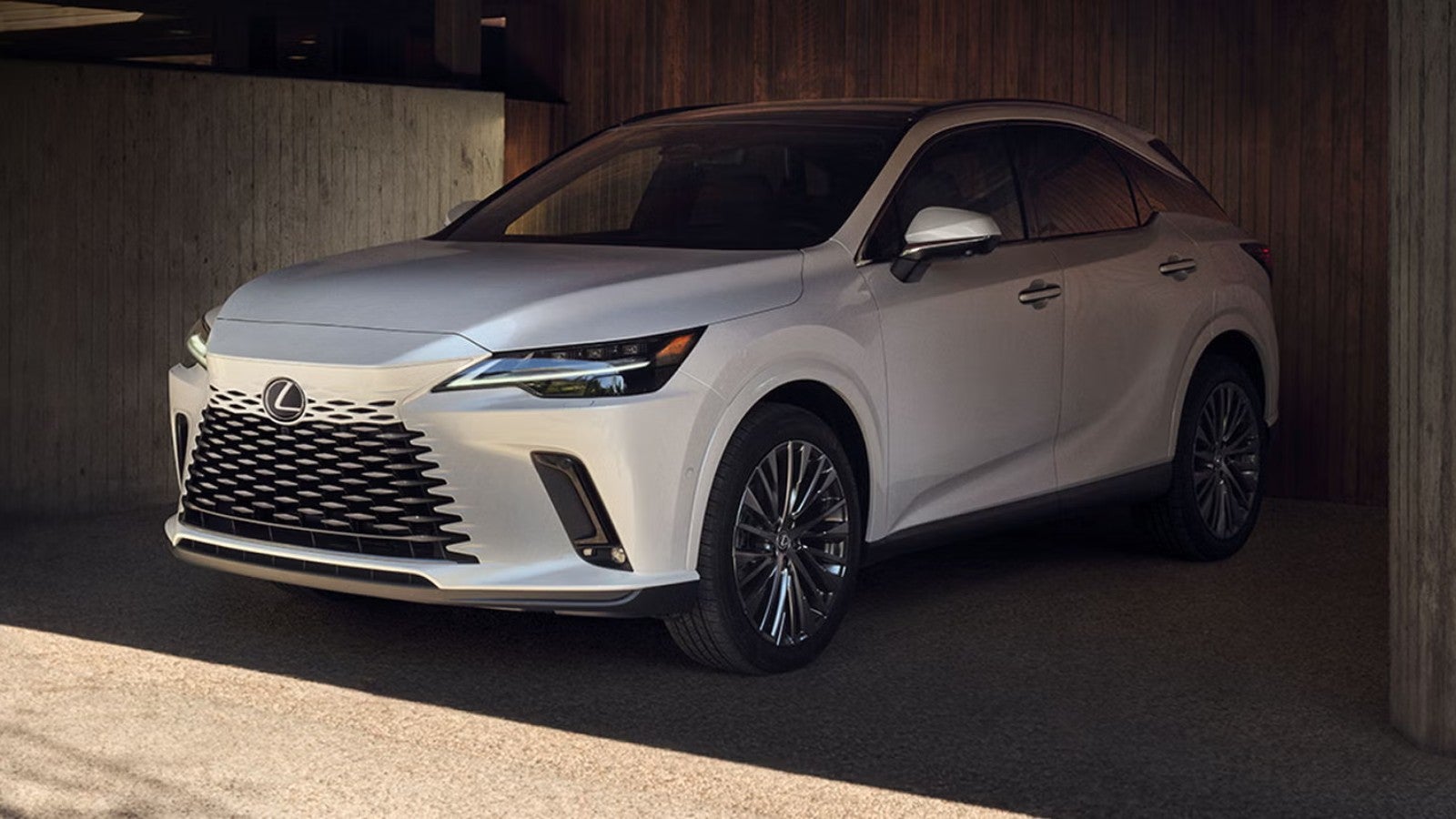
White 2027 Lexus RX hybrid SUV parked in a modern carport

2027 Lexus RX 350h vs. RX 450h+: Hybrid or Plug-In Hybrid?

The 2027 Lexus RX 350h vs RX 450h+ decision comes down to one question: do you want to plug in? With the RX 350h, you fuel it and drive, and no outlet is involved. The RX 450h+ is a plug-in hybrid, and regular charging gets you a lot of electric driving. Both are AWD SUVs, so the right pick depends on your routine and not on which one is "better." If you're shopping around San Jose, you can browse new vehicles as you read. We'll walk through performance, range, and charging in plain language, then get to the grades. 2027 Lexus RX 350h vs. RX 450h+ at a Glance Think of this as a habits question. The RX 350h gives you hybrid efficiency with no charging in your routine. The RX 450h+ adds rechargeable electric driving for shorter trips and keeps hybrid technology for longer journeys, which is how Lexus positions it. This table lines up the confirmed 2027 figures for both models. Fuel economy figures are manufacturer estimates. Feature RX 350h RX 450h+ Powertrain 2.5L four-cylinder hybrid 2.5L four-cylinder plug-in hybrid Combined system output 246 hp, 233 lb-ft 304 hp 0–60 mph 7.4 seconds 6.2 seconds Drivetrain Electric AWD (rear motor) Electric AWD (rear motor) Transmission CVT CVT Fuel economy (manufacturer-estimated) 37 city / 34 hwy / 36 combined mpg 36 city / 33 hwy / 35 combined mpg (gas only) Electric range N/A (not a plug-in) 38 miles, EPA-estimated Battery Nickel-metal hydride Lithium-ion Fuel tank 17.17 gal 14.53 gal Towing (braked) 3,500 lbs 3,500 lbs Cargo 29.59 cu ft; 46.19 cu ft max 29.59 cu ft; 46.19 cu ft max Standard safety Lexus Safety System+ 3.0 Lexus Safety System+ 3.0 The RX 450h+ gives up one mpg on gasoline and gains about 58 horsepower plus a meaningful electric range. Extra power and potential fuel savings are two different benefits, and some buyers only want one of them. Powertrain and Performance: Standard Hybrid vs. Plug-In Hybrid Both models pair a 2.5L four-cylinder engine with electric motors and a CVT, which delivers power smoothly instead of in stepped shifts. The battery and how it gets its energy are what differ. If you’re weighing other options, explore the full lineup of Lexus electrified vehicles, from hybrids to all-electric models. RX 350h: Self-Charging Hybrid Operation "Self-charging" simply means a hybrid you never plug in. The system coordinates the gasoline engine and electric motors automatically, so nothing about your routine changes. The RX 350h makes 246 system horsepower and 233 lb.-ft. of torque, and it reaches 60 mph in 7.4 seconds. That's brisk for daily driving. You fill up and go. RX 450h+: Plug-In Hybrid Power and Electric Driving The RX 450h+ carries a high-capacity lithium-ion battery that you recharge externally. That larger battery supports sustained electric driving, which is different from the brief, condition-dependent electric operation of a conventional hybrid. It also feeds a 304 net combined horsepower output and a 0-60 mph time of 6.2 seconds. A strong hybrid-system output says little about how the car performs on electric power alone. Electric operation varies with how hard you drive, the temperature, and what the system needs, so the engine may join in at times. AWD and Driving Feel Both models come standard with electric all-wheel drive. Each places a dedicated electric motor at the rear axle, which can send power to the rear wheels almost instantly when the front tires lose grip or when you accelerate hard. On the RX 450h+, the system’s added electric output also helps deliver its quicker 6.2-second 0–60 mph time. AWD helps with traction, but grip and stopping distance are another matter, so tires, weather, and your inputs still count. When you test drive both, pay attention to throttle response, engine sound under acceleration, ride comfort, and how smoothly the car moves between electric and gasoline operation. Fuel Economy, Electric Range and Charging Fuel economy is where the two models separate most. The RX 350h has one set of numbers. The RX 450h+ has three that measure different things, so it helps to keep them apart. MPG vs. MPGe and Total Driving Range MPG is the distance you travel per gallon of gasoline, while MPGe is an energy-equivalence measure that compares electric energy use with gasoline. The RX 450h+ is rated at 85 MPGe combined while running on battery power, and once the charge is used, Lexus estimates 35 mpg combined on gasoline. The RX 350h earns a manufacturer-estimated 36 mpg combined, while the RX 450h+ offers an EPA-estimated 38 miles of electric-only range. Keep the fuel tanks in mind for longer trips, too: the RX 350h carries 17.17 gallons to the RX 450h+’s 14.53, so the hybrid goes farther between fill-ups once the plug-in’s battery is depleted. Real-world electric range varies with temperature, speed, hills, load and climate-control use, so treat 38 miles as a best-case planning figure. Charging the RX 450h+ at Home and in Public Level 1 charging uses a standard household outlet and is slow. Level 2 uses a 240V circuit and is much faster. The RX 450h+ comes with a standard dual-voltage cable for 120V and 240V outlets, a J1772 (Type 1) socket, and a 6.6 kW onboard charger. Lexus estimates a full charge in approximately two-and-a-half hours at 240V, maximum current, and ideal conditions. For most owners, overnight Level 2 charging at home is the practical option, and public charging is optional. Before relying on home charging, have a qualified electrician check your outlet and circuit capacity. If you share a charger or use public stations, verify compatibility and speed first. What Happens When the Plug-In Battery Runs Low The RX 450h+ pairs a gasoline engine with its battery and offers hybrid technology for longer journeys, so range anxiety isn't a factor as long as there's gas in the tank. A low electric-range reading doesn't mean you're out of power. Charging when it's convenient adds electric miles. Your operating costs will depend on how often you plug in, local electricity and gasoline prices, and how much of your driving is electric. Not sure which fits your commute? Contact us and we'll help match a powertrain to your routine. Features, Grades and Practicality The RX character carries across both models, and the gap between them is narrower than you might expect. Grades and charging logistics are where they actually differ. What Both Powertrains Share Both seat five and offer 29.59 cu ft of cargo space behind the rear seats, or 46.19 cu ft with the seats folded, and both can tow up to 3,500 lbs, enough for a small boat or a pair of jet skis. On the Premium grade, a 9.8-inch touchscreen is standard with a 14-inch display available, while the 14-inch screen comes standard on the Premium+ and Luxury. Wireless Apple CarPlay and Android Auto, a wireless phone charger and a 12-speaker Lexus premium sound system are standard on every grade, so the 2027 RX interior feels familiar either way. Lexus Safety System+ 3.0 is standard, including Pre-Collision System with Pedestrian Detection, Full-Speed Range Dynamic Radar Cruise Control, Lane Tracing Assist, Road Sign Assist, Automatic High Beams, and Proactive Driving Assist. Blind Spot Monitor with Rear Cross-Traffic Alert and Intuitive Parking Assist with Auto Braking are also standard. These systems assist you, and they still need your attention. If you're leaning toward the RX 450h+, add one practical item to the list: where the charging cable lives and where you'll park to charge. Grade Availability: Not Every Grade Comes with Both Powertrains The 2027 RX comes in six grades: Premium, Premium+, Luxury, F SPORT Handling, F SPORT Performance, and F SPORT Design. The powertrains don't line up across all of them. RX 350h: Premium, Premium+, Luxury, and F SPORT Design RX 450h+: Premium and Luxury only If you want a sportier look, the RX 350h in F SPORT Design is the hybrid option. Our team can confirm which grade and powertrain combination suits you. The RX 450h+ costs more upfront and benefits most from regular charging, so compare similarly equipped vehicles when weighing the difference. Which RX Suits Your Bay Area Driving? In San Jose and across Silicon Valley, the right answer depends on your daily miles, whether you have charger access, and how much of your driving is on the freeway. Browse new Lexus SUVs in stock to see what's currently available. Choose the RX 350h If You Drive Freeway Miles or Can't Plug In If your week involves long stretches of I-280, US-101, or I-880, say a drive between Fremont and Santa Clara or Hayward and Santa Clara, the RX 350h keeps things simple. You get hybrid efficiency, and charging never becomes a chore. It also suits anyone in a building without a dependable charger, since nearby public charging doesn’t mean you can count on it when you need it. For weekend drives over Highway 17 to Santa Cruz or longer trips to Tahoe, the RX 350h handles them like any gasoline SUV, and its larger 17.17-gallon tank means fewer fuel stops along the way. Choose the RX 450h+ If You Have Home Charging and Short Commutes If you live near work, say a Cupertino to San Jose commute, and can plug in overnight, the RX 450h+ lets much of your routine run on electricity. Compare your actual round-trip mileage with a realistic electric range, and allow for hills, higher speeds, and heating or air conditioning. Freeway use alone doesn't rule out the RX 450h+. It just reduces how much of your driving is electric. Either powertrain handles longer trips without mandatory charging stops, and the RX 450h+ also lets you recharge when it suits you. Our service department can support hybrid and plug-in maintenance after you buy. Shop Lexus RX Inventory at Lexus Stevens Creek The best way to choose between the RX 350h and RX 450h+ is to drive them back to back. Shop our Lexus RX inventory to compare models by powertrain and grade, then schedule a test drive on I-280 to feel the RX 450h+’s quiet electric acceleration and the RX 350h’s seamless hybrid efficiency for yourself. Our team can also walk you through home charging and financing options to help you find the right RX. Visit us at 3333 Stevens Creek Blvd. in San Jose, Monday through Saturday from 9 a.m. to 8 p.m. and Sunday from 10 a.m. to 7 p.m., or call sales at 408-878-4112.